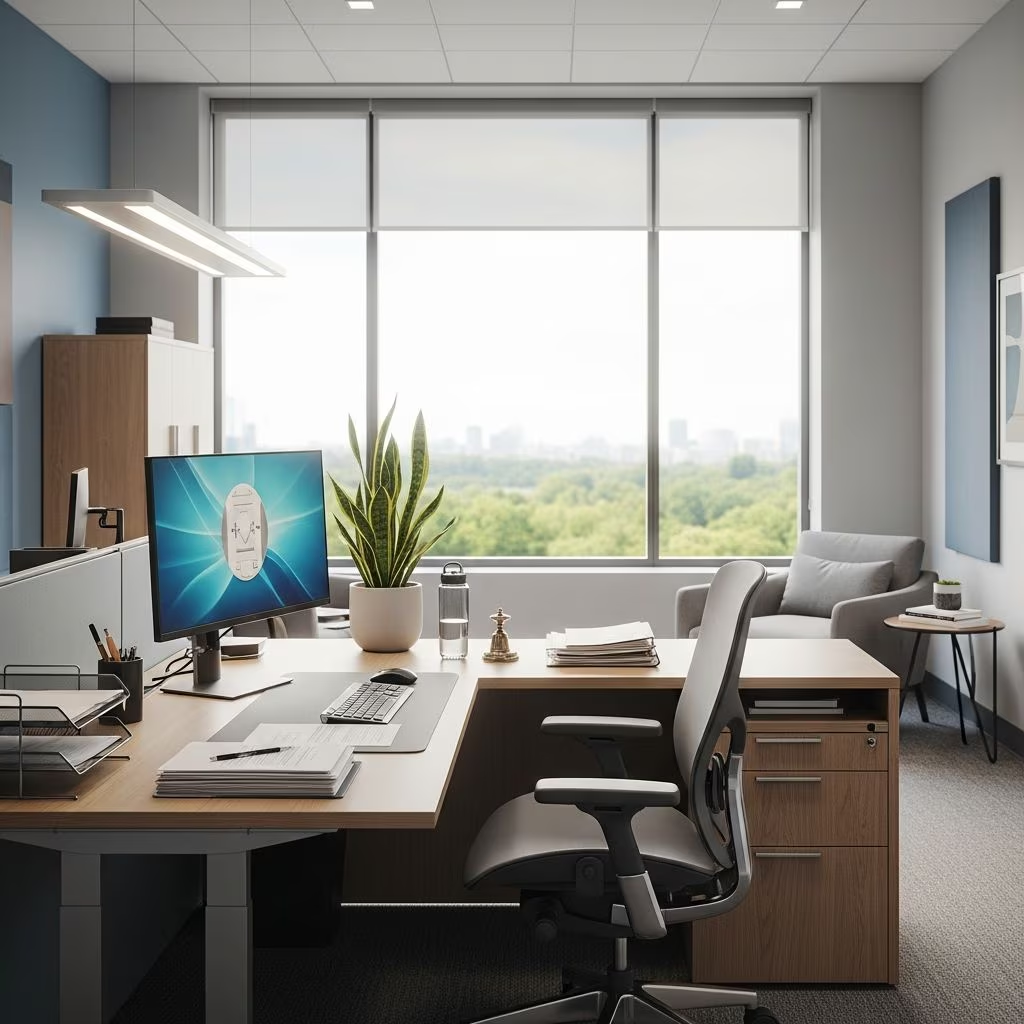
The physical environment where attorneys work plays a significant role in shaping their professional experience, mental health, and overall productivity. Many law firms continue to operate with traditional office designs that prioritize conventional layouts over employee wellbeing. However, forward-thinking legal practices are recognizing that investing in thoughtful office design directly impacts staff retention, job satisfaction, and the quality of legal work produced. This article explores comprehensive strategies for transforming law office spaces into environments that actively support health, reduce occupational stress, and foster professional excellence.
The Connection Between Office Design and Professional Wellbeing
Research demonstrates a clear relationship between physical workspace quality and employee mental and physical health. Attorneys face uniquely demanding work environments characterized by high stress levels, long hours, and significant responsibility for client outcomes. Without intentional design interventions, office spaces can actually amplify these pressures rather than mitigate them. Poor lighting conditions, inadequate acoustics, uncomfortable furniture, and lack of break spaces all contribute to burnout and health complications among legal professionals.
The traditional approach to law office design—centralizing equipment, creating segregated work zones, and maximizing desk density—often creates environments that feel sterile and isolating. Contemporary workplace design principles recognize that attorneys need varied environments throughout their workday to maintain focus, process complex information, and manage stress effectively. When firms redesign spaces with wellness principles incorporated throughout, employees report improved mental health, reduced stress levels, and enhanced job satisfaction.
Maximizing Natural Light and Visual Connection
One of the most impactful yet underutilized design elements in law offices is access to natural light. Survey data indicates that 78% of employees report that access to natural light and outdoor views improves their overall happiness and wellbeing. Natural light provides more than aesthetic benefits; it regulates circadian rhythms, boosts vitamin D production, and has measurable effects on employee health outcomes.
Research from the University of Oregon’s interior design program found that employees working near windows with quality views took 6.5% less sick leave compared to those in interior offices. For law firms, this translates to increased billable hours, improved attendance, and reduced health-related absences. When designing or renovating office spaces, prioritize positioning attorney workstations near windows whenever possible. If exterior windows are limited, consider designing conference rooms with large windows and positioning them as collaborative spaces where natural light creates an uplifting atmosphere.
Firms can further enhance visual connection by maintaining views of natural features—whether urban parks, landscaping, or architectural landmarks. One nationally recognized law firm redesigned its downtown office to preserve views of local mountains from conference spaces and reception areas, creating moments of visual respite for both staff and visiting clients.
Implementing Biophilic Design and Green Elements
Biophilic design—the practice of incorporating natural materials and living elements into interior spaces—creates psychological benefits that extend beyond simple aesthetics. This approach includes:
- Strategically placed indoor plants that improve air quality and create visual interest
- Natural materials such as wood, stone, and cork in flooring, wall treatments, and furnishings
- Water features or representations of natural water elements
- Artwork featuring natural landscapes or abstract nature themes
- Access to outdoor spaces, even in urban high-rise buildings
Introducing these elements into law offices helps create environments that feel less institutional and more psychologically restorative. Carefully curated indoor plants, natural wood elements, and earth-toned color palettes combine to reduce stress and create a sense of calm among attorneys working on demanding cases. Even simple measures—such as maintaining accessible outdoor terraces or green spaces on office floors—provide staff with opportunities to step away from their desks and experience moments of psychological recovery.
For firms concerned about maintenance, modern alternatives such as high-quality artificial plants and nature-inspired artwork provide similar psychological benefits with minimal upkeep requirements. The investment in these elements pays dividends through improved employee retention and reduced stress-related productivity losses.
Ergonomic Workspace Design and Furniture Selection
Ergonomics represents the scientific approach to designing workspaces that align with human physiology and movement patterns. Proper ergonomic design prevents common occupational injuries and discomforts that plague the legal profession, including carpal tunnel syndrome, back pain, neck strain, and eye fatigue.
Foundational ergonomic components for law office workstations include:
| Ergonomic Element | Specifications | Health Benefits |
|---|---|---|
| Office Chair | Adjustable height, lumbar support, feet flat on floor, knees at 90-degree angle | Prevents lower back pain and promotes proper spinal alignment |
| Desk Height | Positioned so elbows rest at 90 degrees with arms relaxed | Reduces shoulder and wrist strain during typing |
| Monitor Placement | Top of screen at or slightly below eye level, 20-26 inches away | Minimizes neck and eye strain |
| Keyboard and Mouse | Close to body, elbows at 90 degrees, wrists neutral | Prevents carpal tunnel syndrome and repetitive strain |
| Footrest | Adjustable platform for feet not touching floor | Improves circulation and reduces leg fatigue |
Beyond static ergonomic setups, contemporary law offices benefit from incorporating varied workspace types. Rather than uniform desk configurations, firms can offer a mix of traditional ergonomic workstations, standing desk options, and relaxed communal seating areas. This variety allows attorneys to shift positions throughout the day, reducing the cumulative stress on any single muscle group and providing psychological benefits through environmental variety.
Acoustic Management and Sound Control
Uncontrolled noise represents a significant stressor in legal environments where concentration and confidentiality are paramount. Traditional office design often relies on walls to manage sound, but this approach reduces collaboration and creates isolated work environments. Modern acoustic solutions provide alternatives that maintain openness while controlling noise transmission.
Sound masking technology uses subtle ambient sound to mask distracting noises without requiring additional partitions that would compromise open floor concepts. This technology allows law firms to maintain collaborative spaces while protecting attorney focus and preventing acoustic fatigue. Additional acoustic strategies include:
- Acoustic ceiling panels that absorb sound reflection
- Strategic placement of soft furnishings—upholstered furniture, area rugs, wall-mounted fabric panels
- Designated quiet zones separated from collaborative areas
- Soundproofing materials in conference rooms and private offices
- Noise-dampening materials in break areas and common spaces
By managing acoustic environments thoughtfully, law firms reduce stress-related health problems and create conditions where attorneys can concentrate deeply on complex legal work.
Creating Dedicated Wellness and Recovery Spaces
Contemporary law office design must accommodate the reality that attorneys need periodic breaks from focused work to maintain productivity and manage stress. Wellness spaces serve multiple functions—providing quiet areas for meditation and mindfulness practices, spaces for physical activity, and areas where staff can simply step away from their workstations.
Effective wellness spaces might include:
- Mindfulness rooms with comfortable seating, soft lighting, and calming artwork
- Digital detox zones where technology is discouraged, allowing genuine mental breaks
- Fitness spaces or designated areas for stretching and movement
- Comfortable lounge areas that encourage informal social interaction
- Outdoor spaces or terraces where staff can experience fresh air
The inclusion of these spaces signals organizational commitment to attorney wellbeing and provides practical tools for managing occupational stress. Some forward-thinking firms have even installed biometric monitoring equipment—such as blood pressure monitors—allowing attorneys to track their stress responses and understand which situations trigger physiological stress reactions.
Environmental Quality Beyond Design Aesthetics
While design aesthetics matter, underlying environmental conditions fundamentally affect health and productivity. Law office environments should provide:
- Air Quality: Proper ventilation, air filtration, and humidity control prevent respiratory issues and cognitive decline
- Thermal Comfort: Temperature control appropriate for different office zones and individual preferences
- Lighting Quality: Beyond natural light, artificial lighting should minimize flicker and provide appropriate color temperature
- Water Quality: Access to filtered drinking water and proper hydration stations
- Cleaning Products: Non-toxic, environmentally responsible cleaning products that don’t compromise indoor air quality
- Inclusive Design: Accessible restroom facilities that accommodate diverse user needs beyond traditional gender categories
These environmental factors often operate invisibly but profoundly impact attorney health and cognitive performance. Poor air quality, inadequate lighting, uncomfortable temperatures, and chemical off-gassing from building materials create chronic low-level stress that compounds occupational pressures.
Supporting Mental Health Through Environmental Design
Law is recognized as one of the most stressful professions, with elevated rates of depression, anxiety, and substance abuse among practitioners. While office design cannot solve the systemic pressures inherent in legal practice, thoughtfully designed environments provide foundational support for mental health resilience. Firms that combine environmental design improvements with programmatic wellness initiatives—such as mindfulness training, stress management workshops, and mental health resources—create comprehensive approaches to supporting attorney wellbeing.
The psychological impact of working in a health-conscious, aesthetically pleasing environment extends beyond immediate stress reduction. When firms invest in quality office design, they communicate to attorneys that the organization values their wellbeing as fundamental to professional practice. This messaging affects organizational culture, retention rates, and the quality of professional relationships within the firm.
Implementation Strategies for Phased Improvements
Law firms need not undertake complete office redesigns simultaneously. Strategic, phased improvements allow firms to implement wellness-focused design changes while managing budget constraints. Priority improvements might include:
- Ergonomic assessment and furniture upgrades for current workstations
- Enhanced lighting improvements, particularly near windows and in interior offices
- Creation of a dedicated wellness or break room
- Acoustic improvements in high-traffic areas
- Addition of plants and natural elements throughout office spaces
- Redesign of conference rooms to maximize natural light and views
- Expansion of flexible workspace options
By starting with high-impact, relatively accessible improvements, firms can generate momentum for larger environmental initiatives while demonstrating commitment to attorney wellbeing.
Frequently Asked Questions
Q: How much will office redesign cost?
A: Costs vary significantly based on firm size and scope of improvements. Phased approaches focusing on ergonomic upgrades and acoustic improvements can begin with modest investments. More comprehensive redesigns may require substantial capital expenditure but often generate returns through improved productivity and reduced turnover.
Q: Can wellness design work in small law offices?
A: Yes. Even limited space can incorporate wellness principles through strategic placement of plants, careful lighting design, ergonomic furniture, and creation of small break areas. Small firms may benefit particularly from strong biophilic elements and acoustic management in confined spaces.
Q: How do I measure the impact of office redesign?
A: Track metrics such as attorney retention rates, employee satisfaction surveys, sick leave usage, and productivity measures before and after environmental improvements. Qualitative feedback through focus groups can reveal impacts on stress and wellbeing.
Q: Should law offices maintain traditional private offices or adopt open office layouts?
A: Hybrid approaches work best. Combination of private offices for focused work, collaborative open areas, and diverse workspace types accommodate varied work activities while supporting both concentration and teamwork. Acoustic management becomes critical in open arrangements.
Q: How does office design affect client perception?
A: Well-designed offices that incorporate natural light, quality furnishings, and thoughtful aesthetics communicate professionalism and attention to detail. Clients often interpret office quality as reflecting firm quality, making environmental investment beneficial from business development perspective.
References
- 5 Office Design Tips to Increase Workplace Wellbeing — RI Workplace. Accessed 2026-04-03. https://riworkplace.com/5-office-design-tips-to-increase-workplace-wellbeing/
- How to Design a Law Office that Promotes Employee Wellness — American Bar Association Legal Management Section. September 2024. https://www.alanet.org/legal-management/2024/september/departments/how-to-design-a-law-office-that-promotes-employee-wellness
- 5 Ways to Create a Productive Workspace — Attorney at Work. https://www.attorneyatwork.com/personalizing-your-workspace/
- Build a Healthy Office Space — Sustainable Strategies PLLC. https://www.sustainablestrategiespllc.com/healthy-law
- Five Ways for Law Firms to Support Health and Wellness — Broward County Bar Association. https://www.browardbar.org/five-ways-law-firms-support-health-wellness/