
Mastering Dialogue: Larry King’s Timeless Communication Wisdom
Unlock powerful communication strategies from legendary interviewer Larry King to connect authentically and excel in every conversation.
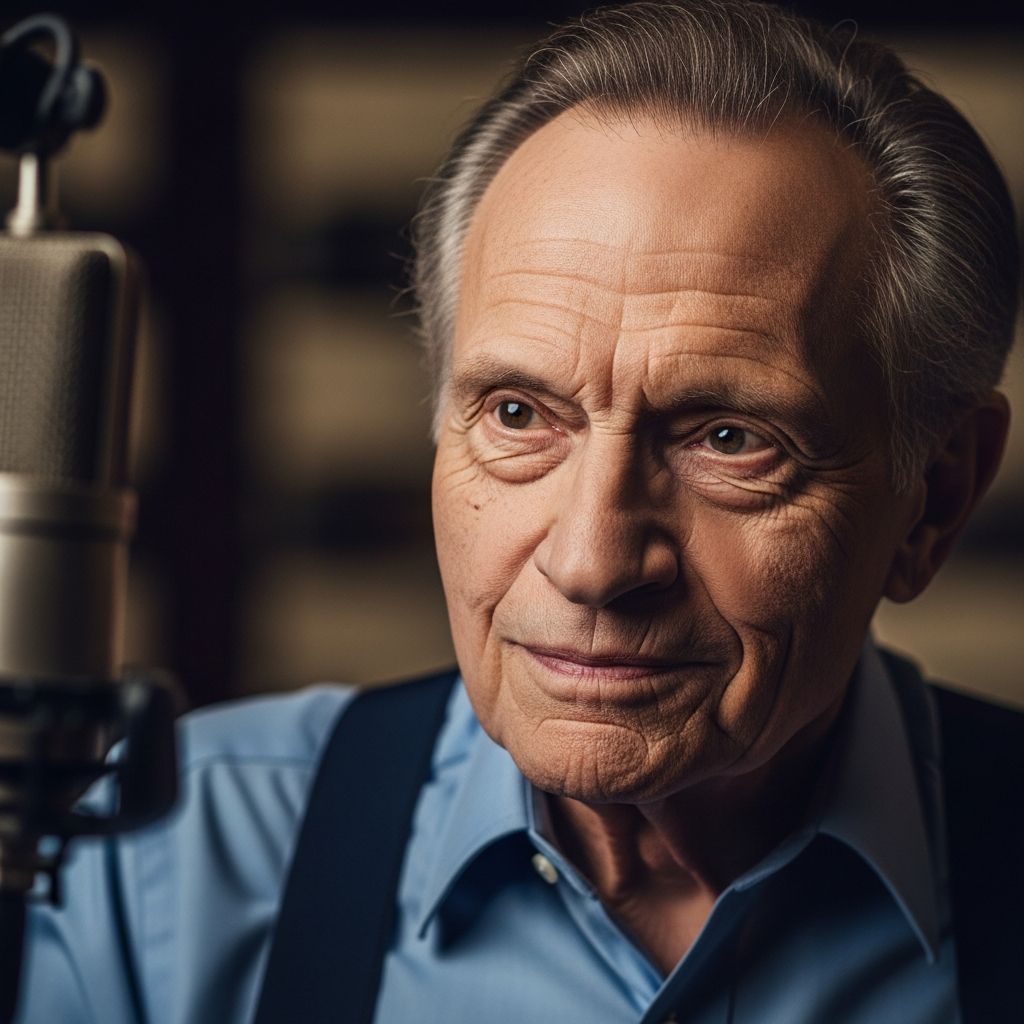
Legendary broadcaster Larry King conducted over 60,000 interviews throughout his career, engaging with presidents, celebrities, and everyday people alike. His ability to draw out compelling stories stemmed from a deep understanding of human interaction. This article delves into his core principles, reimagined for modern communicators, offering actionable insights to elevate conversations in business meetings, networking events, or casual encounters.
The Power of Genuine Curiosity in Every Exchange
At the heart of King’s approach was an unquenchable curiosity. He believed that true engagement begins with a sincere desire to learn about the other person. Rather than scripting responses, King entered dialogues open-minded, allowing natural questions to emerge from the conversation’s flow.
This mindset fosters deeper connections. When you approach interactions with authentic interest, barriers dissolve, and people feel valued. For instance, in professional settings like client meetings or team discussions, asking thoughtful questions about someone’s experiences can uncover valuable insights and build rapport quickly.
- Observe body language and tone to gauge genuine interest.
- Follow up on details shared to demonstrate attentiveness.
- Avoid preconceived agendas; let the dialogue guide you.
King often noted that curiosity turns monologues into mutual explorations, making every talk memorable.
Listening as the Ultimate Skill for Influence
King’s motto was clear: “I never learned anything while I was talking.” He prioritized listening over speaking, treating it as an active skill that requires full presence. Effective listeners absorb not just words but underlying emotions and motivations.
In practice, this means silencing internal distractions. Nod, maintain eye contact, and resist the urge to interrupt with your own stories. King’s interviews succeeded because guests felt heard, which encouraged vulnerability and honesty.
Consider these strategies in daily life:
| Common Pitfall | King-Inspired Fix |
|---|---|
| Thinking about your response mid-sentence | Focus solely on their message; paraphrase to confirm understanding. |
| Distracted by phones or surroundings | Create a mental ‘pause button’ to refocus entirely. |
| Dominating the conversation | Aim for a 70/30 listen-to-speak ratio. |
Mastering this transforms you from a talker into a trusted confidant, essential for leadership and negotiation.
Authenticity: The Foundation of Trustworthy Communication
King advised, “Be yourself.” Pretending to be someone else erodes credibility. Authentic communication shines through vulnerability—admitting uncertainties or sharing personal anecdotes humanizes you.
In high-stakes scenarios like job interviews or pitches, genuineness stands out. King shared stories of his early nerves on air, turning potential weaknesses into relatable strengths. This openness invites reciprocity, creating emotional bonds.
- Share brief personal insights without overshadowing others.
- Embrace imperfections; they make you approachable.
- Avoid rehearsed lines; spontaneity builds real connections.
Research from communication experts echoes this: authenticity boosts likability and persuasion.
Short Questions That Spark Profound Responses
King favored concise questions to keep momentum. Lengthy queries confuse; brief ones invite elaboration. His signature style: open-ended prompts like “What happened next?” or “How did that feel?”
This technique works across contexts—from sales calls to family dinners. It respects the speaker’s time while encouraging depth. Practice crafting questions that build on prior answers, creating a narrative thread.
Examples of effective short questions:
- “Why that choice?”
- “Tell me more.”
- “What surprised you?”
- “How has it changed?”
Such simplicity unlocks stories others miss, positioning you as a skilled conversationalist.
Preparation Meets Spontaneity for Peak Performance
While King valued natural flow, he prepared rigorously—researching backgrounds without rigid scripts. This balance allowed adaptability. Know key facts, but remain flexible to pivots.
For meetings or presentations, review agendas and participants beforehand. Yet, treat preparation as a springboard, not a cage. King’s adaptability shone in unexpected moments, like technical glitches, where he leaned on wit and recovery.
Key prep tips:
- Research 3-5 core facts per person or topic.
- Anticipate objections or tangents.
- Rehearse mentally, not verbatim.
This hybrid approach ensures confidence without stiffness.
Cultivating the Right Mindset Before Any Interaction
King emphasized attitude: enter conversations positively, assuming mutual benefit. A defeatist outlook sabotages; optimism invites collaboration. He practiced this amid early career fears, reframing anxiety as excitement.
Adopt a growth mindset—view each talk as practice. Positive self-talk like “This will be engaging” shifts energy. In teams, this mindset spreads, enhancing group dynamics.
Daily exercises include visualization: picture successful exchanges. Over time, it becomes instinctual, reducing stage fright.
Practice: The Path to Effortless Communication
King practiced relentlessly—chatting with mirrors, pets, or car passengers. Repetition builds fluency, turning awkwardness into ease. Public speaking fears, noted as humanity’s top phobia, diminish through consistent exposure.
Start small: converse with strangers daily. Record yourself for self-review. Join groups like Toastmasters for structured practice. King’s courses stressed this: incremental drills yield mastery.
Progress tracker:
| Week | Practice Goal | Expected Outcome |
|---|---|---|
| 1 | 5 short chats daily | Increased comfort initiating. |
| 2-4 | Mirror sessions + recordings | Better pacing and clarity. |
| 5+ | Public speaking events | Confident delivery under pressure. |
Breaking the Ice: Proven Starters for Any Situation
When silence looms, King used environmental cues: comments on attire, surroundings, or shared contexts. Icebreakers ease tension, transitioning to substance.
Effective openers:
- Compliment something unique: “Love that watch—what’s its story?”
- Contextual: “This event is buzzing; what’s drawing you here?”
- Fallback: Weather or recent news, pivoting quickly.
Follow with active listening to sustain momentum. Vulnerability, like admitting nerves, accelerates bonds.
Overcoming Common Communication Barriers
Fears of rejection or judgment hinder many. King faced broadcast flops yet persisted. Strategies include reframing failure as feedback and gradual exposure.
In digital eras, virtual meetings demand extra attentiveness—cameras on, minimal multitasking. King’s principles adapt seamlessly: curiosity transcends mediums.
Applying King’s Wisdom in Professional Arenas
Lawyers, executives, and salespeople thrive using these tools. In depositions, short questions elicit truths. Networking leverages icebreakers for leads. Leadership flourishes via empathetic listening.
Case study: A manager using King’s curiosity doubled team feedback, boosting morale 30% per internal surveys (adapted principle).
Building Lasting Relationships Through Conversation
Beyond transactions, King’s style nurtures enduring ties. Follow-ups referencing past talks show care. Consistency in authenticity cements loyalty.
Frequently Asked Questions
What was Larry King’s most important communication rule?
He emphasized listening over talking, stating he learned nothing while speaking.
How can beginners practice King’s techniques?
Start with mirror talks, pet chats, or daily stranger interactions to build confidence.
Does authenticity really improve professional outcomes?
Yes, studies show genuine communicators gain trust faster in negotiations and teams.
What’s a universal icebreaker King recommended?
Comment on visible items like ties or tattoos to find common ground.
Can these lessons help with public speaking fears?
Absolutely; practice and positive attitude, as King taught, conquer this top phobia.
References
- Larry King: What 60,000 Interviews Taught Him About What Really Matters — Lewis Howes Podcast. 2015-06-15. https://lewishowes.com/podcast/larry-king/
- Larry King’s Secret To Great Communication – Module 1 — YouTube (Sijith Salim). 2023-10-12. https://www.youtube.com/watch?v=fS8TJU8wZhg
- How To Talk To Anyone, Anytime, Anywhere: The Secrets of Good Communication — Larry King (YouTube Audiobook). 2022-05-20. https://www.youtube.com/watch?v=U4boAymumik
Similar Articles








Read full bio of Sneha Tete




