
Lane Splitting Laws: 2026 State-By-State Guide For Motorcyclists
Navigate the complex landscape of lane splitting regulations in America: where it's permitted, prohibited, and everything in between.
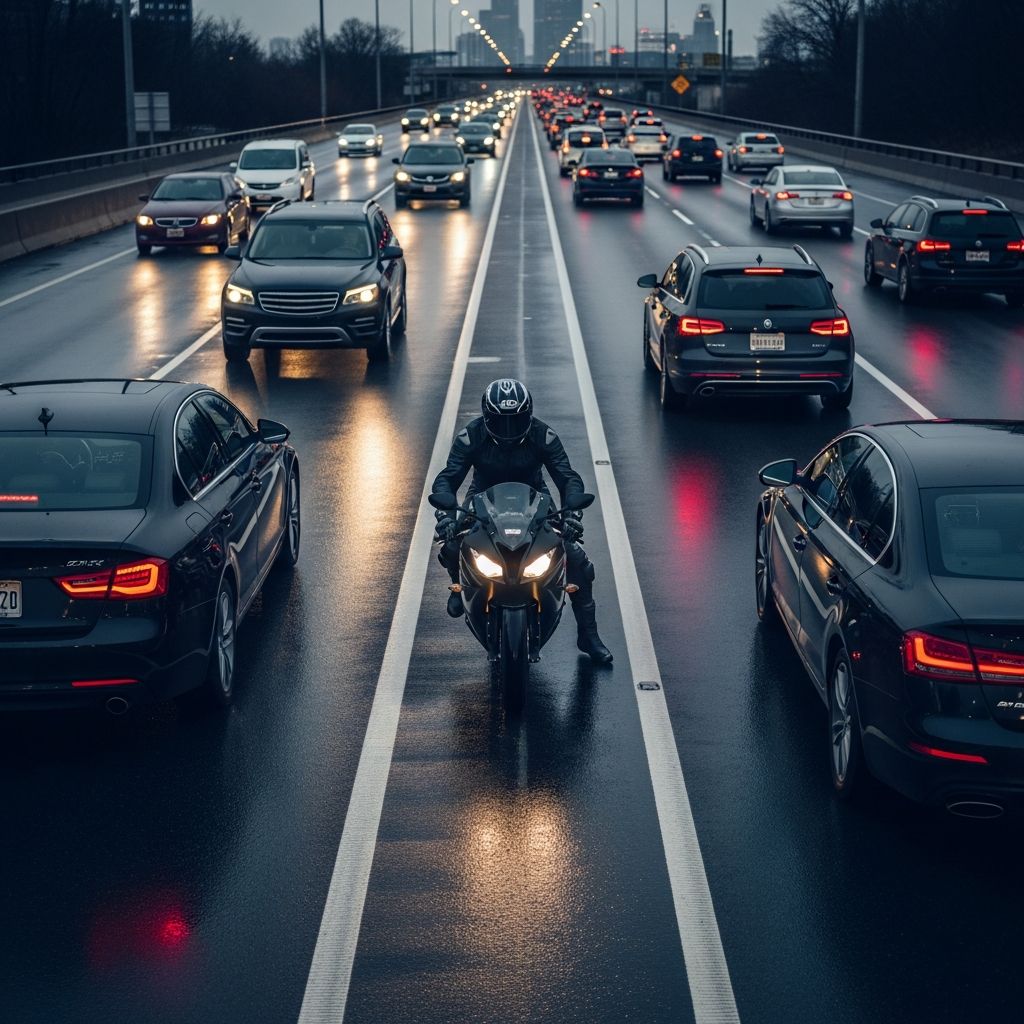
Motorcycle riders often seek ways to navigate congested traffic more efficiently. One common technique is lane splitting, where a rider maneuvers between rows of stopped or slow-moving vehicles. While popular in many countries, its legality in the United States varies dramatically by state, creating a patchwork of rules that can confuse even experienced riders. This article breaks down the current status as of 2026, highlighting permitted practices, restrictions, safety considerations, and potential legal consequences.
Defining Key Terms: Lane Splitting vs. Lane Filtering
Before diving into state laws, it’s essential to distinguish between related practices. Lane splitting involves riding a motorcycle between lanes of moving traffic, typically at speeds close to surrounding vehicles. Lane filtering, a subset often allowed under stricter conditions, permits riders to pass between completely stopped vehicles, usually at low speeds like intersections.
These maneuvers aim to reduce rear-end collision risks for riders stuck behind cars, but they demand heightened awareness. The California Highway Patrol (CHP) pioneered guidelines recommending no more than a 10 mph speed differential and avoiding splits above 30 mph. Such recommendations influence laws nationwide, even where the practice remains unofficial.
States Embracing Lane Splitting and Filtering
A handful of states have codified permissions for these maneuvers, balancing rider mobility with public safety. California leads, but others have followed with tailored rules.
California: The Pioneer of Permissive Policies
California stands alone in broadly authorizing lane splitting via Vehicle Code §21658.1, enacted through Assembly Bill 51 in 2016. This defines it as operating a two-wheeled motorcycle between rows of vehicles on any road or highway. The CHP issues non-binding but widely followed safety tips: maintain speeds within 10 mph of traffic, refrain from splitting near exits, and prioritize visibility. Data shows regulated splitting correlates with fewer rider injuries.
Other Progressive States
- Arizona: Permits lane filtering since 2022 on roads under 45 mph where traffic is stopped, limited to 15 mph, in multi-lane sections, and between marked lanes only.
- Utah: Allows filtering at ≤15 mph on ≤45 mph roads with stopped traffic in multi-lane setups; recent HB0190 tightened enforcement.
- Montana: Legalizes splitting when passing vehicles ≤10 mph at rider speeds ≤20 mph.
- Hawaii: Permits variations under specific conditions, though details emphasize low-speed filtering.
Emerging changes: Minnesota and Colorado plan expansions in 2025, signaling a trend. Riders must verify local updates, as interpretations evolve.
Where Lane Splitting Remains Prohibited
In most states—over 40 as of 2026—lane splitting is either explicitly banned or falls under general lane-use prohibitions. Violators risk tickets, points, fines, and license suspension. Here’s a categorized overview:
| State | Status | Key Prohibition |
|---|---|---|
| New York | Illegal | VTL §1252 bans passing in same lane or between rows |
| Texas | Illegal | No legalization despite bills; treated as unsafe |
| Florida | Illegal | Statutes require single-lane operation |
| Illinois | Illegal | Banned under traffic codes |
| Pennsylvania | Illegal | 75 Pa.C.S. §3523 prohibits |
Several states like Massachusetts and Virginia debate bills, but enforcement remains strict elsewhere. Ambiguous states (e.g., no explicit statute) often default to prohibition via police discretion.
Safety Data and Rider Best Practices
Proponents cite studies showing lane splitting reduces rear-end crashes from 4.6% to 2.6% for riders. California’s experience post-2016 legalization revealed no injury spike; instead, moderated practice lowered severe outcomes. However, risks persist: sudden lane changes, blind spots, and high speeds amplify dangers.
Universal Safety Tips:
- Check mirrors and signals frequently.
- Avoid splitting beside trucks or large vehicles.
- Wear high-visibility gear and use headlights.
- Only proceed if gaps allow safe passage.
- Communicate intent with horn or signals.
Riders should assume prohibition unless proven otherwise and consult state DMVs or CHP-like resources.
Legal and Insurance Implications of Violations
Even where legal, improper splitting can void insurance claims or fuel lawsuits. In illegal states, accidents during splitting often deem riders at fault, barring compensation recovery. Fines range $100-$500+, plus points impacting premiums. Personal injury attorneys note: admissibility of dashcam footage or witness accounts sways cases.
In crashes, factors like speed excess or recklessness shift liability. Legal states mitigate this via guidelines, but nationwide, riders bear proving prudence.
International Perspectives and US Trends
Globally, lane splitting thrives in Europe (e.g., Spain, Italy) and Asia under regulated speeds. US hesitation stems from infrastructure and cultural norms, but rising motorcycle registrations (millions annually) pressure lawmakers. By 2026, expect more filtering allowances amid congestion woes.
Advocacy groups push data-driven reforms, emphasizing training over bans. Riders: join efforts via Motorcycle Safety Foundation programs.
Frequently Asked Questions (FAQs)
Is lane splitting ever safer than not doing it?
Yes, studies indicate it lowers rear-end risks for riders in traffic, provided speeds are controlled.
Can I lane split on highways in legal states?
In California, yes on divided/undivided roads; others restrict to non-freeway arterials.
What happens if I’m ticketed for lane splitting?
Expect fines, points, and possible insurance hikes; contest with evidence of safety compliance.
Does lane splitting affect personal injury claims?
Often yes—in illegal states, it can bar recovery; even legal states scrutinize conduct.
Are there federal lane splitting laws?
No, traffic laws are state jurisdiction; no overriding federal rule exists.
State-by-State Quick Reference Table (2026 Update)
| State | Legal Status | Details |
|---|---|---|
| California | Legal (Splitting) | Full permission w/ CHP guidelines |
| Arizona | Legal (Filtering) | ≤15 mph, stopped traffic ≤45 mph |
| Utah | Legal (Filtering) | Similar to AZ; enforced strictly |
| Montana | Legal (Limited Splitting) | ≤20 mph passing ≤10 mph traffic |
| Most Others | Illegal | Tickets/fines standard |
This table simplifies; always check official statutes for nuances.
References
- Lane Splitting Legal States: 2024 Guide — Law Brothers. 2024. https://lawbrothers.com/lane-splitting-legal-states/
- Where Is Lane Splitting Legal? — Rosenbaum Personal Injury Lawyers. 2025-10. https://www.rosenbaumnylaw.com/blog/2025/10/where-is-lane-splitting-legal/
- Lane Splitting & Filtering Are Legal in the Following States — Mission Legal Center. N/A. https://missionlegalcenter.com/blog/lane-splitting-filtering-are-legal-in-the-following-states/
- Lane Splitting Laws for Every State in the USA! (Updated 2025) — Full Throttle Law. 2025. https://www.fullthrottlelaw.com/lane-splitting-laws-for-every-state-in-the-usa-updated-2025/
- Motorcycle Lane Splitting Laws: Legal States & Rider Guide — InsZone Insurance. N/A. https://inszoneinsurance.com/blog/motorcycle-lane-splitting
- Opinion: Make Lane Splitting Legal in All 50 States — RevZilla. N/A. https://www.revzilla.com/common-tread/opinion-make-lane-splitting-legal-in-all-50-states
Similar Articles








Read full bio of medha deb




