
Can Landlords Contact You at Work Over Unpaid Rent?
Understand your legal protections when landlords try to reach you at work for late rent payments and how to respond effectively.
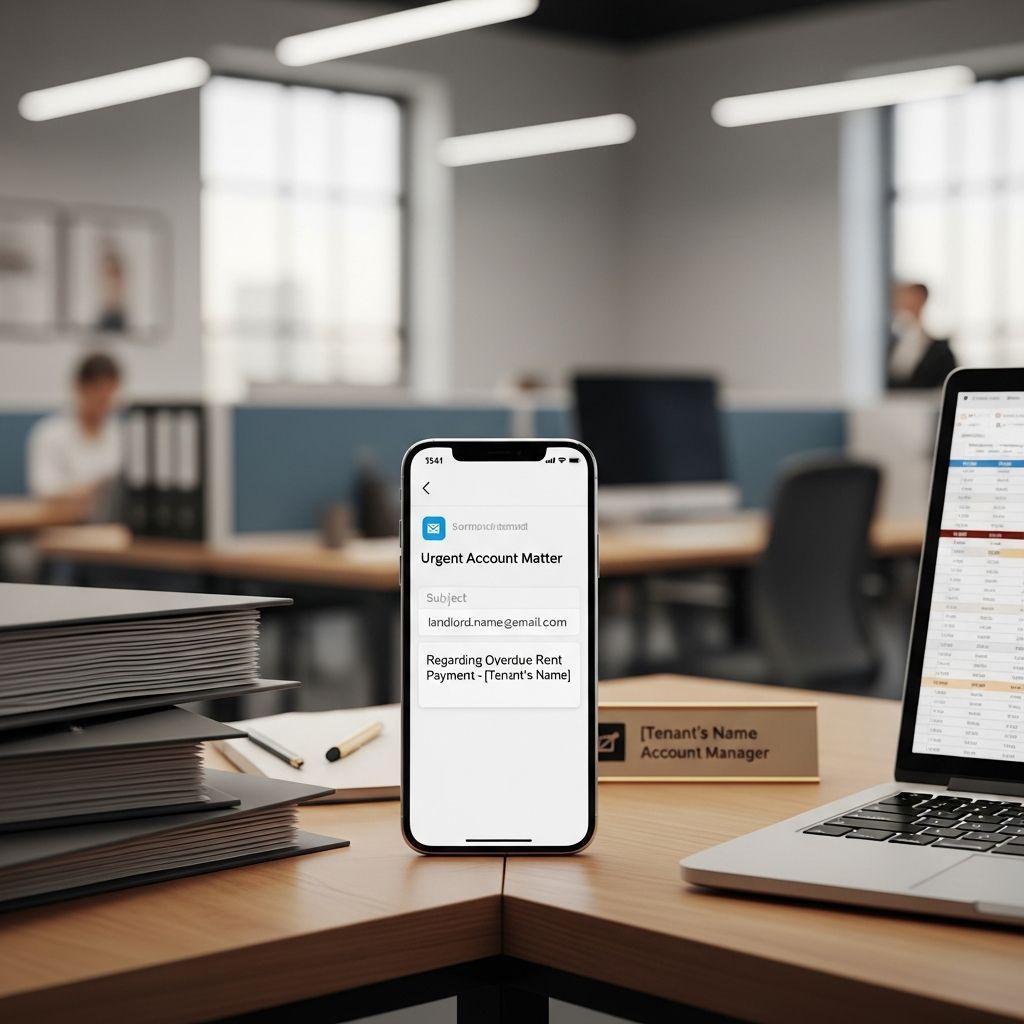
Renters often face stress when payments are late, but landlords crossing professional boundaries by reaching out at work raises serious legal questions. This article examines the boundaries of rent collection practices, focusing on workplace intrusions, applicable federal and state laws, and tenant safeguards.
Understanding Landlord Rent Collection Methods
Landlords typically pursue overdue rent through formal channels like written notices or eviction proceedings rather than personal visits or calls to workplaces. Standard procedures emphasize documented communication to avoid disputes. For instance, serving a pay-or-quit notice is a common first step in many jurisdictions when rent is delinquent.
While direct contact via phone or mail to the tenant’s residence is permissible, extending this to an employer’s premises or coworkers introduces privacy concerns and potential legal violations. Tenants maintain rights to quiet enjoyment of their rental and protection from undue harassment, even during payment disputes.
Federal Protections Under the Fair Debt Collection Practices Act
The Fair Debt Collection Practices Act (FDCPA) imposes strict limits on how debts, including rent, can be collected. Although primarily aimed at third-party collectors, some courts apply its principles to landlords acting in a collection capacity. Key prohibitions include:
- Communicating with a debtor at their place of employment if the landlord knows or has reason to know it would be inconvenient or prohibited by the employer.
- Contacting third parties, such as coworkers or supervisors, about the debt, except to obtain location information.
- Harassing, oppressing, or abusing any person in connection with debt collection.
Violations can result in lawsuits where tenants seek damages, attorney fees, and statutory penalties up to $1,000 per violation. Evidence from legal forums indicates landlords showing up at workplaces to inquire about tenants through staff breaches these rules explicitly.
State-Specific Regulations on Tenant Privacy and Entry
Laws vary by state, but many mirror or expand federal protections. In California, for example, Civil Code Section 1954 outlines permissible reasons for landlord entry into rental units, requiring 24-hour written notice except in emergencies. This framework indirectly supports tenant privacy outside the home, including at work.
| State | Key Rule on Entry | Notice Required | Workplace Contact |
|---|---|---|---|
| California | Repairs, showings, inspections | 24 hours written, business hours | Generally prohibited if harassing |
| Florida | Emergencies, repairs, showings | 12 hours written, reasonable hours | FDCPA applies to limit |
| New York | Reasonable notice for access | Reasonable prior notice | Protected under warranty of habitability |
These rules emphasize that landlords must respect boundaries. Intruding at a workplace not only risks FDCPA claims but also state harassment statutes.
Distinguishing Phone Calls from Physical Visits
A quick phone call to a tenant’s known work number may not always violate laws, provided it avoids harassment. Legal opinions note that isolated calls are often legal, recommending instead formal notices for efficiency. However, repeated calls or those revealing debt details to others cross into prohibited territory.
Physical appearances at the workplace are far riskier. Reports of landlords approaching coworkers to locate tenants or discuss rent arrears trigger immediate FDCPA concerns. Tenants should document such incidents, including dates, times, and witnesses, for potential legal action.
Practical Steps for Tenants Facing Workplace Contact
If a landlord attempts work contact:
- Document everything: Note details of the interaction, including what was said and to whom.
- Notify your employer: Inform HR or management to prevent future incidents and protect your job.
- Send a cease communication letter: Demand all future contact be in writing to your home address only.
- Consult a tenants’ rights organization: Free legal aid is available in most areas for low-income renters.
- File a complaint: Report to housing authorities or pursue small claims if damages occur.
Addressing the root issue—paying rent promptly—remains crucial, but improper collection doesn’t excuse the obligation.
Landlord Perspectives: Legal and Best Practices
From the property owner’s side, frustration with non-payment is understandable, but legal risks outweigh short-term gains from aggressive tactics. Experts advise:
- Using certified mail for notices.
- Filing for eviction through courts rather than self-help.
- Maintaining professional communication logs.
Courts favor landlords with proper procedures, potentially recovering unpaid rent plus fees. Bypassing these invites countersuits.
Common Myths About Rent Collection Rights
Myth 1: Landlords can enter your home or workplace anytime if rent is late. Reality: No, possession rights persist until eviction.
Myth 2: Work calls are always allowed. Reality: Only if not harassing and employer permits.
Myth 3: FDCPA doesn’t apply to landlords. Reality: It can, especially if acting as collectors.
Frequently Asked Questions (FAQs)
What should I do if my landlord calls my work about rent?
Politely end the call, document it, and send a written demand to stop. Consult a lawyer if it persists.
Can my landlord tell my boss I owe rent?
No, this violates FDCPA by disclosing debt to third parties without permission.
Is a single call to work illegal?
Not necessarily, but repeated or embarrassing ones are problematic. Use formal notices instead.
What if my landlord shows up at my job?
Treat it as trespass/harassment; involve security and pursue legal remedies.
Do I still owe rent if harassed?
Yes, but you can counterclaim for violations in eviction proceedings.
Preventing Disputes: Communication and Agreements
Clear lease terms on payment methods, late fees, and notice procedures reduce conflicts. Tenants benefit from setting up autopay, while landlords should outline escalation steps upfront. Mediation services in many cities offer free resolution before court.
In summary, while rent must be paid, landlords cannot invade your professional life. Knowledge of rights empowers renters to respond confidently.
References
- Landlord-Tenant Issues — State of California Department of Justice. 2023. https://oag.ca.gov/tenants
- Landlords Prohibited From Entering Tenants’ Units Without Notice — Tobener Ravenscroft LLP. 2022-10-15. https://www.tobenerlaw.com/landlords-prohibited-from-entering-without-notice/
- Landlord Entering Your Unit — Los Angeles County Department of Consumer and Business Affairs. 2024. https://dcba.lacounty.gov/portfolio/landlord-entering-your-unit/
- Can a landlord go to your workplace and ask coworkers… — Avvo Legal Answers. 2013-06-20. https://www.avvo.com/legal-answers/can-a-landlord-go-to-your-workplace-and-ask-cowork-1858893.html
- Clearing Up the Confusion: Right of Entry Rules… — Kassouni Law. 2023. https://www.kts-law.com/clearing-up-the-confusion-right-of-entry-rules-for-owners-managers-and-residents/
Similar Articles








Read full bio of medha deb




