
Landlord Obligations for Broken Windows in Rentals
Clarifying who pays and fixes broken windows in rental properties: landlord duties, tenant liabilities, and essential steps for resolution.
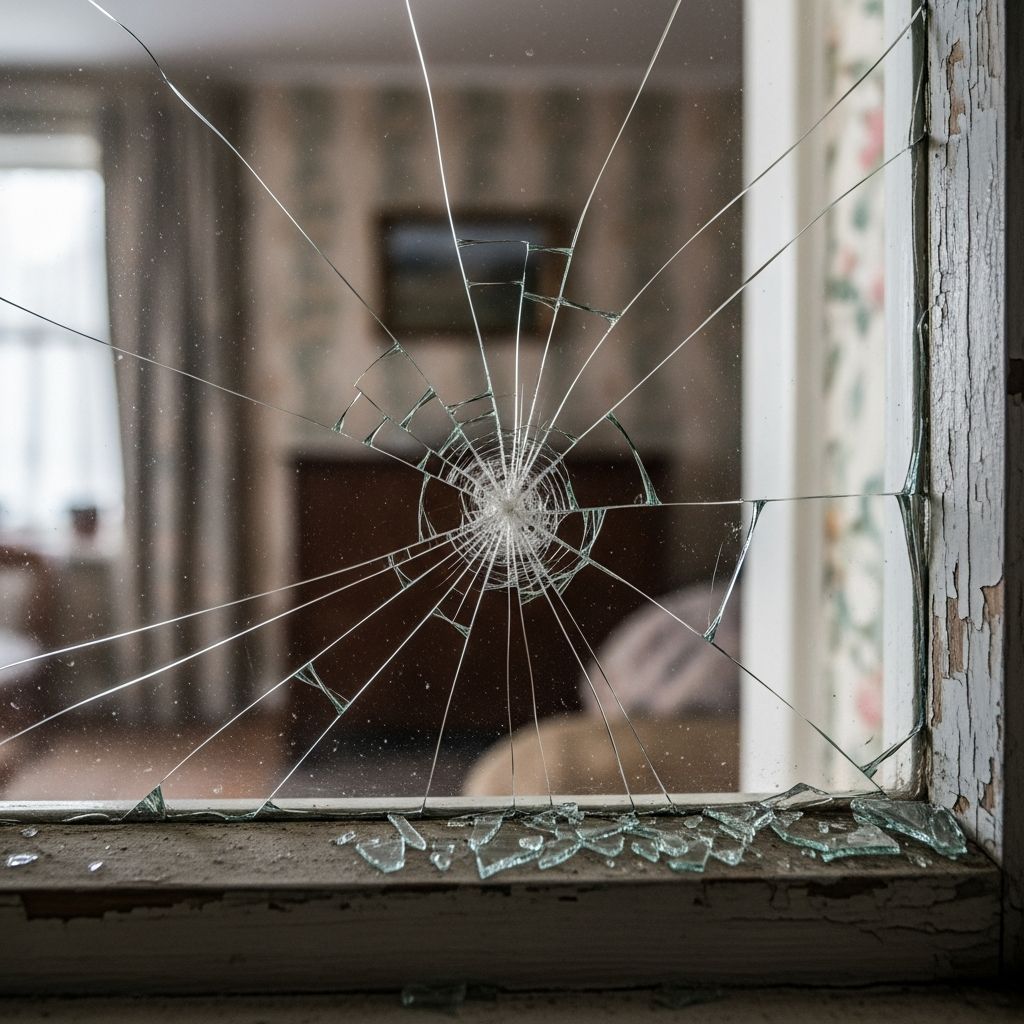
Broken windows in rental properties raise immediate concerns about safety, security, and living conditions. Landlords generally bear responsibility for repairs that affect habitability, such as those from normal wear, storms, or vandalism not caused by tenants. However, tenants may cover costs if their negligence or actions lead to the damage. This article delves into legal frameworks, practical responses, and strategies to navigate these situations effectively.
Legal Foundations of Repair Responsibilities
Rental laws across jurisdictions emphasize maintaining habitable conditions, placing primary repair duties on landlords. The implied warranty of habitability requires landlords to address issues that compromise safety or weather protection, including broken windows that allow elements or intruders inside. In California, for instance, this stems from landmark rulings like Green v. Superior Court of San Francisco, mandating repairs for conditions seriously impacting livability.
Windows serve critical roles: they provide weatherproofing, ventilation, and security. A broken pane violates these functions, triggering landlord intervention. Local codes often specify timelines, especially for urgent fixes like wind exposure or unsecured entries. Tenants should review leases for clauses on maintenance, but statutory duties override conflicting terms.
Determining Fault: Key Factors in Window Breakage
Responsibility hinges on causation. Landlords typically handle repairs from:
- Normal wear and tear: Aging glass cracks from thermal stress or frame settling.
- Natural events: Storms, hail, or falling branches damaging panes.
- External vandalism: Break-ins or thrown objects from outside the unit.
- Structural defects: Poor installation or hardware failure leading to shattering.
Conversely, tenants are liable for damage from:
- Accidental impacts: Furniture shifts, cleaning mishaps, or sports equipment.
- Misuse: Forcing stuck sashes or repeated slamming.
- Guest or pet actions: Playful incidents or unsupervised behavior.
- Negligence: Ignoring early cracks that worsen.
| Cause Category | Typical Responsibility | Examples |
|---|---|---|
| Landlord (Habitability) | Landlord pays and repairs | Storm debris, age-related cracks, outside vandalism |
| Tenant-Caused | Tenant pays; landlord may coordinate | Slamming window, child breaking glass, pet jumps |
| Disputed/Undetermined | Landlord repairs first, bills later | Unclear negligence, pending investigation |
Leases often detail these distinctions, requiring prompt reporting to avoid negligence claims. Evidence like photos or witness accounts clarifies fault.
Immediate Steps After Discovering a Broken Window
Prioritize safety and security upon breakage. Tenants should:
- Secure the area: Sweep glass shards with gloves and a damp towel to prevent injuries.
- Temporarily cover: Apply tape to cracks and tarp over openings to block weather, pests, or intruders.
- Document thoroughly: Note date, time, photos of damage, and potential causes (e.g., weather evidence).
- Notify landlord promptly: Via email or certified mail for records, describing the incident.
Landlords must respond swiftly, especially for habitability threats. Delays can lead to tenant remedies like repair-and-deduct (where permitted) or habitability defenses against rent withholding.
Insurance Coverage: Landlord vs. Renter Policies
Landlord insurance typically covers structural damage like windows from covered perils (storms, vandalism). Tenant renters insurance excludes dwelling repairs but covers liability if the tenant causes damage to the property or neighbors. For example:
- Storm-shattered window: Landlord’s policy.
- Tenant’s baseball through neighbor’s window: Tenant’s liability coverage.
Post-repair billing occurs if tenant fault is proven. Deductibles and policy limits influence outcomes, underscoring lease reviews for insurance stipulations.
Landlord’s Repair Process and Tenant Involvement
Even if tenants owe costs, landlords often manage repairs to ensure quality and uniformity. They select contractors matching existing materials, comply with safety codes (e.g., tempered glass), and minimize liabilities. Process overview:
- Assessment: Inspect cause and scope.
- Scheduling: Prioritize urgent fixes.
- Execution: Professional installation.
- Billing: Deduct from deposit or invoice tenant, with evidence.
Tenants cannot typically hire independently without approval, per lease terms prohibiting unauthorized vendors. Written agreements confirm cost arrangements.
State-Specific Variations and Tenant Rights
Laws vary; California mandates immediate fixes for weather protection and secure locks. Other states imply similar habitability warranties. Tenants facing delays can:
- Send formal repair requests with documentation.
- Escalate to housing authorities or courts.
- Withhold rent judiciously (following statutes).
Landlords risk fines or liability for injuries from unaddressed breaks.
Preventive Measures for Tenants and Landlords
Proactive steps reduce disputes:
- Tenants: Report sticking windows early; supervise high-risk activities; use screens or films.
- Landlords: Schedule inspections; upgrade to impact-resistant glass; clarify lease terms.
Regular maintenance prevents wear-related failures, benefiting both parties.
Frequently Asked Questions
What if a storm breaks my rental window?
Landlords usually cover storm damage as part of habitability duties, coordinating repairs via their insurance.
Does my renters insurance fix broken windows in my unit?
No, it covers personal property and liability, not unit structures; that’s the landlord’s domain.
Can I repair the window myself and bill the landlord?
Leases often prohibit this; notify the landlord first to avoid violations.
What if the landlord ignores my repair request?
Document and escalate per local laws, potentially using repair-and-deduct options.
Who pays if my child breaks the window?
Typically the tenant, as it’s tenant-caused damage beyond wear and tear.
Resolving Disputes and Seeking Help
When disagreements arise, mediation via housing mediators or small claims court resolves issues efficiently. Gather evidence: photos, communications, lease excerpts. Professional inspections confirm causation. Understanding rights empowers fair outcomes, preserving rental relationships.
Broken windows test landlord-tenant dynamics but highlight shared interests in safe housing. Prompt action and clear communication prevent escalation.
References
- If a Window Breaks in My Apartment, Is It the Landlord’s Responsibility? — NYC Management Blog. 2020-06. https://blog.nycm.com/2020/06/broken-windows-can-be-hassle-and.html
- Does the Landlord or Tenant Pay for Broken Window Glass? — Arax Windows. 2026-02-11. https://www.araxwindows.com/landlord-vs-tenant-who-pays-for-broken-window-glass/
- Resource Guidebook: Dealing with Landlord/Tenant Issues — California Department of Real Estate. N/A. https://www.dre.ca.gov/publications/ResourceGuidebook/gb09_dealingwith.html
- California Tenant Rights For Required Repairs — Ziprent. N/A. https://ziprent.com/california-tenant-rights-for-required-repairs/
- Repairs Needed — California Tenant Law. N/A. https://caltenantlaw.com/repairs-needed/
- Repair, Maintenance and Habitability — Project Sentinel. N/A. https://www.housing.org/resources/tenantlandlord/repairs
Similar Articles








Read full bio of Sneha Tete




