
Landlord Pool Duties: Maintenance and Legal Guide
Essential guide for landlords on swimming pool upkeep, tenant roles, safety compliance, and avoiding legal pitfalls in rentals.
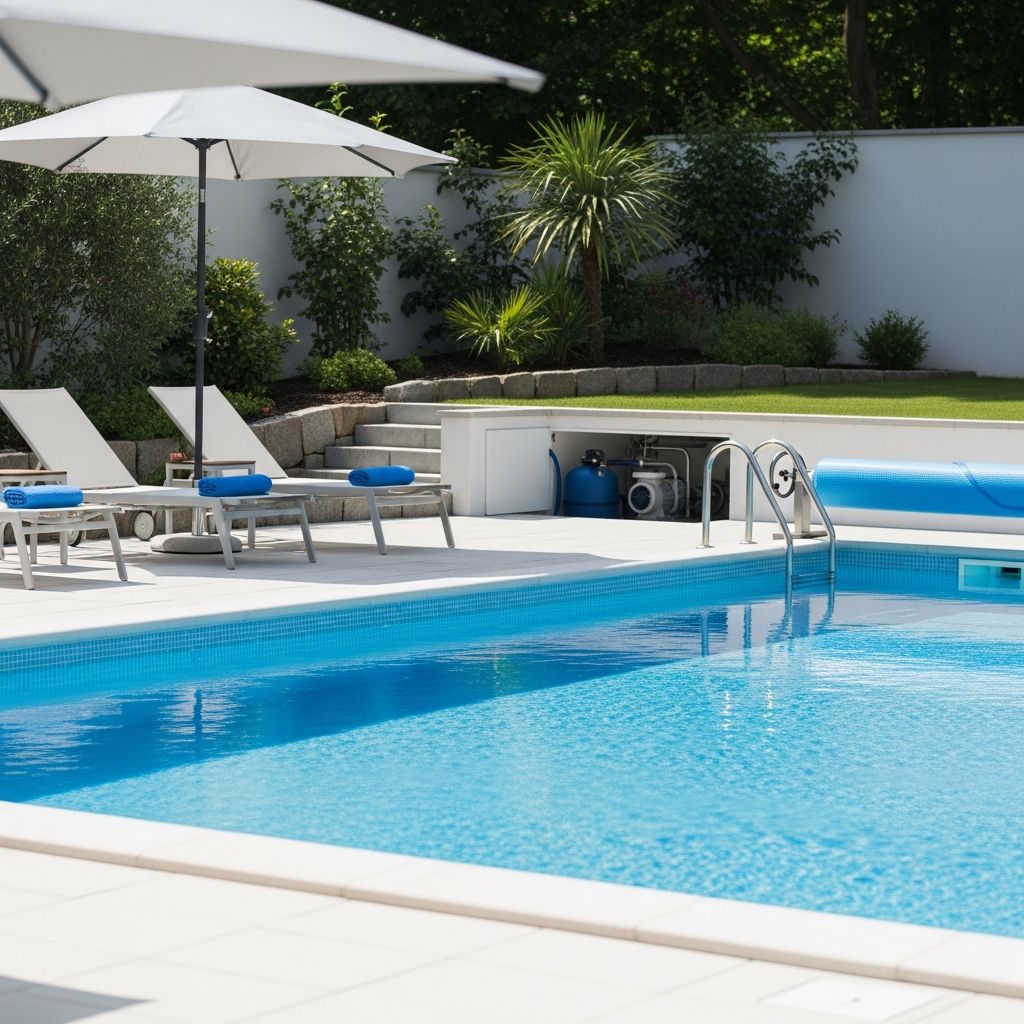
Swimming pools add significant value and appeal to rental properties, attracting tenants seeking luxury amenities. However, they also introduce complex responsibilities for landlords, encompassing maintenance, safety protocols, and legal compliance. Understanding these obligations is crucial to protect property assets, ensure tenant safety, and mitigate liability risks. This guide explores the division of duties, best practices for upkeep, regulatory requirements, and strategies to safeguard against disputes or accidents.
Dividing Responsibilities: Landlords vs. Tenants
Clear delineation of pool-related tasks between landlords and tenants prevents misunderstandings and legal issues. Generally, landlords handle structural and major system maintenance, while tenants manage daily usage and minor upkeep. This split aligns with standard rental property management principles, where ownership-level elements fall under the property owner’s purview.
- Landlord Core Duties: Oversee pool shell integrity, deck stability, pumps, filters, heaters, and permanent safety features like fencing.
- Tenant Daily Tasks: Skim debris, monitor water levels, secure gates, and report issues promptly.
Lease agreements must explicitly outline these roles. Without specificity, courts often default to landlords bearing primary responsibility for habitability and safety.
Landlord’s Primary Maintenance Obligations
Landlords retain accountability for elements tied to the property’s long-term value and safety. Neglecting these can lead to structural damage, health hazards, or lawsuits. Key areas include equipment functionality and barrier systems.
| Maintenance Category | Landlord Responsibilities | Frequency |
|---|---|---|
| Structural Checks | Inspect pool shell, deck, and tiling for cracks or wear | Quarterly/Annually |
| Mechanical Systems | Service pumps, heaters, filters; ensure electrical safety | Monthly/Biannually |
| Safety Barriers | Maintain fences, gates, alarms; verify self-latching mechanisms | Monthly |
| Water Quality Oversight | Professional chemical balancing if tenant duties fail | As Needed |
Professional services are recommended for complex tasks to maintain warranty compliance and expert standards.
Tenant Expectations for Pool Usage and Care
Tenants contribute to pool longevity by adhering to rules and performing light maintenance. This shared model reduces landlord burden while fostering accountability.
- Follow operational hours and occupancy limits to prevent overcrowding.
- Clean surface debris, empty skimmer baskets, and brush walls weekly.
- Test pH, chlorine, and hardness levels; adjust as per guidelines.
- Supervise children, prohibit diving, and ban glass or roughhousing.
- Lock gates after use and notify landlords of malfunctions immediately.
Document tenant training via signed addendums to enforce compliance and defend against claims.
Legal Frameworks Governing Rental Pool Safety
Pool regulations vary by jurisdiction but emphasize barriers, water quality, and signage. Landlords must comply with state building codes, often mandating four-sided fencing at least 4 feet high with self-closing gates. Ohio Revised Code Section 5321.04 requires landlords to keep fixtures like pumps and plumbing in safe condition, extending to pools.
Federal guidelines from the CDC highlight drowning prevention, urging alarms and non-slip surfaces. Non-compliance risks fines, insurance denial, or negligence suits.
Drafting Effective Pool Addendums for Leases
A dedicated pool addendum clarifies duties, rules, and liabilities. Consult local attorneys to tailor to state laws.
- Detail maintenance schedules and responsible parties.
- Specify utility costs, damage repairs, and termination penalties.
- Include liability waivers: “Tenants use pool at own risk; landlord not liable for injuries absent gross negligence.”
- Require tenant acknowledgment signatures.
Digital copies in tenant portals ensure accessibility.
Implementing Routine Cleaning and Chemical Management
Consistent cleaning prevents algae, bacteria, and equipment strain. Landlords should schedule pros for deep cleans, while tenants handle basics.
- Skim daily; vacuum weekly.
- Backwash filters when pressure rises 8-10 psi.
- Maintain pH 7.2-7.8, chlorine 1-3 ppm.
- Shock monthly; test calcium weekly.
Winterization—draining, covering, antifreeze in pipes—is a landlord duty in cold climates to avert freeze damage.
Insurance and Liability Protection Strategies
Pools elevate premiums due to injury risks (drowning, slips). Secure endorsements for commercial pools; umbrella policies add layers.
- Post rules conspicuously; enforce via fines.
- Install cameras on common areas (not private).
- Conduct annual safety audits.
- Retain maintenance logs for defense.
Tenants sign waivers, but landlords remain liable for foreseeable hazards like broken gates.
Navigating Disputes and Common Pitfalls
Disputes arise from vague leases or neglected reporting. Proactive communication resolves most issues.
| Pitfall | Solution |
|---|---|
| Unclear chemical duties | Assign via addendum; provide kits. |
| Delayed repairs | Set 48-hour response policy. |
| Unauthorized parties | Noise clauses; guest limits. |
| Seasonal neglect | Mandate covers; inspections. |
Mediation before litigation preserves relationships.
Frequently Asked Questions
Can landlords charge extra rent for pool access?
Yes, pools justify premiums (10-20% higher rents), but disclose maintenance fees transparently.
What if a tenant damages the pool?
Security deposits cover repairs; leases specify tenant liability for misuse.
Are landlords liable for guest injuries?
Potentially, if negligence proven (e.g., faulty fence). Waivers help but don’t absolve duty of care.
How often should professionals inspect pools?
Monthly for chemistry/equipment; annually for structure.
Do local codes require pool alarms?
Many do for rentals; check municipal ordinances.
Seasonal Management: Summer Prep and Winter Storage
Prepare pools pre-season: inspect, balance chemistry, test equipment. Off-season: drain to below skimmers, cover securely.
Costs average $80-150/month for service; budgeting prevents surprises.
In multi-family settings, designate access controls and monitor usage peaks.
References
- Landlord and Tenant Responsibilities for Swimming Pools — Pool Guard USA. 2023. https://poolguardusa.com/landlord-tenant-responsibilities-swimming-pools/
- 4 Things Landlords Should Know Before Renting a Property with a Pool — Bay Management Group. 2023. https://www.baymgmtgroup.com/blog/4-things-landlords-should-know-before-renting-a-property-with-a-pool/
- Who is Responsible for Swimming Pool Maintenance at Your Properties? — Yardi Breeze. 2023-06-01. https://www.yardibreeze.com/blog/2023/06/who-is-responsible-for-swimming-pool-maintenance-at-your-properties/
- Swimming Pool Maintenance Tips for Landlords — Steadily. 2023. https://www.steadily.com/blog/swimming-pool-maintenance-tips-for-landlords
- Can I Rent My Home If It Has a Swimming Pool? — Evernest. 2023. https://www.evernest.co/blog/can-i-rent-my-home-if-it-has-a-swimming-pool
- Renting a House With a Pool? — Zillow Rental Manager. 2023. https://www.zillow.com/rentals-network/renting-a-house-with-a-pool/
- Section 5321.04 – Ohio Revised Code — Ohio Laws. 2023. https://codes.ohio.gov/ohio-revised-code/section-5321.04
Similar Articles








Read full bio of Sneha Tete




