
Landlord Negligence: Key Claims in Rental Disputes
Discover common landlord negligence issues in rentals, tenant rights, and steps to seek justice for injuries caused by property hazards.
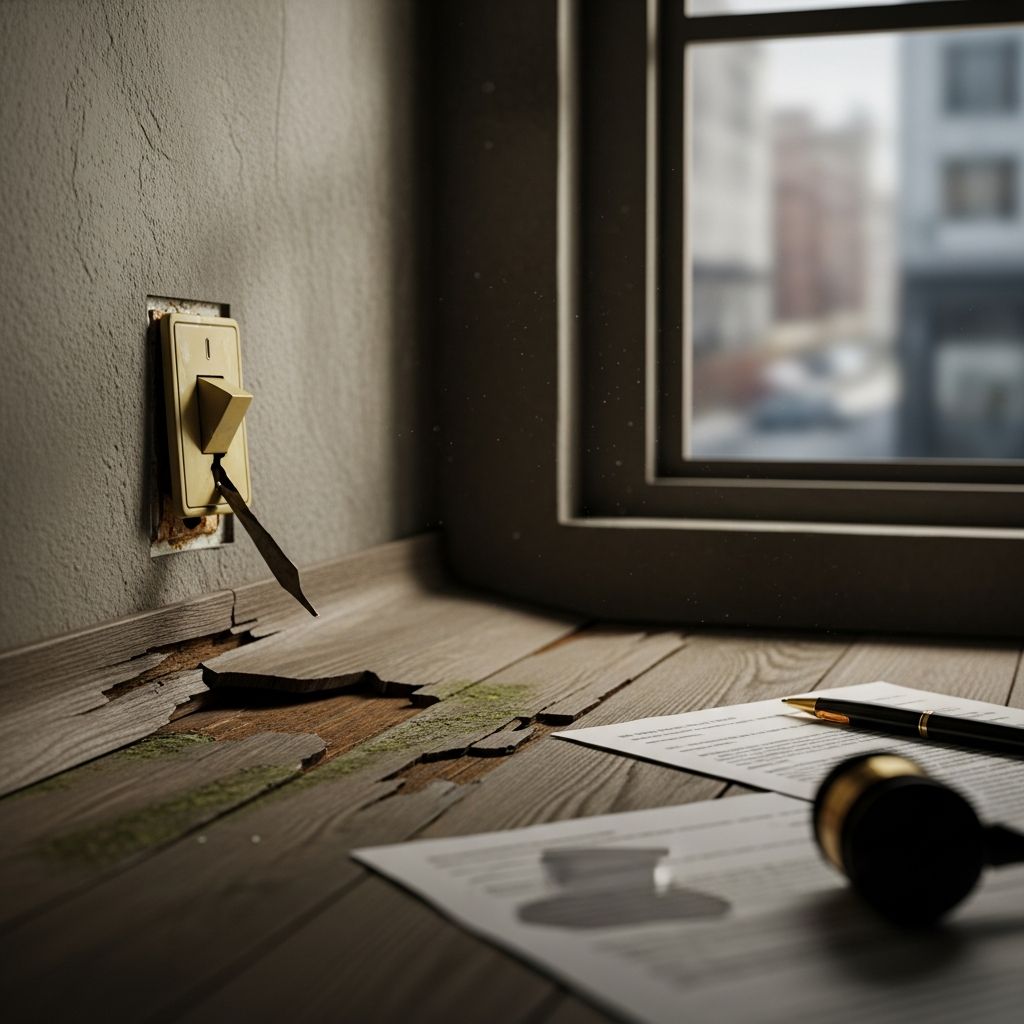
Rental properties must provide safe living environments, yet landlord negligence often leads to injuries and disputes. Tenants have legal rights to habitable spaces, and when landlords fail in their duties, personal injury claims arise. This article delves into prevalent negligence scenarios, legal standards, proof requirements, and resolution paths, empowering renters to protect themselves.
Understanding Landlord Duties in Rental Properties
Landlords bear primary responsibility for maintaining rental properties in a safe condition. This includes ensuring structural integrity, complying with building codes, and addressing reported hazards promptly. Under implied warranty of habitability laws, properties must be fit for living, free from dangers like faulty wiring or structural weaknesses.
Key landlord obligations encompass:
- Regular inspections of common areas such as hallways, stairs, and parking lots.
- Timely repairs for issues affecting health or safety, including plumbing, heating, and electrical systems.
- Installation and maintenance of security features like locks and lighting.
- Disclosure of known latent defects, such as lead paint or asbestos in older buildings.
Failure to meet these standards constitutes negligence, opening landlords to liability for resulting harms.
Premises Liability: Hazards in Shared Spaces
Common areas represent a primary battleground for negligence claims because landlords retain exclusive control over them. Injuries here, like slips on icy walkways or falls from broken railings, frequently stem from unaddressed maintenance.
For instance, cracked pavement in parking lots or dimly lit stairwells heightens fall risks. Courts hold landlords accountable if they knew or should have known about these dangers—termed ‘constructive notice’—and did nothing. Evidence such as maintenance logs or tenant complaints bolsters claims.
| Hazard Type | Common Locations | Legal Basis for Liability |
|---|---|---|
| Slippery surfaces | Stairs, walkways | Failure to salt ice or fix leaks |
| Broken railings | Staircases, balconies | Building code violations |
| Potholes/uneven pavement | Parking lots | Neglected repairs despite notice |
| Inadequate lighting | Hallways, exteriors | Increased crime/injury risk |
Guests injured in these areas can also pursue claims, as landlords owe them a duty of reasonable care.
Failure to Repair: Inside the Rental Unit
While tenants handle day-to-day upkeep inside units, landlords remain liable for major repairs and hidden defects. Persistent issues like leaking roofs, mold growth, or faulty wiring fall under landlord purview, especially if reported.
Mold from unresolved leaks can cause respiratory illnesses, while electrical faults risk fires. Tenants must notify landlords in writing; ignored requests establish breach of duty. Even without notice, long-standing issues imply constructive knowledge.
Latent dangers, undisclosed by landlords, heighten liability. Examples include peeling lead paint exposing children or crumbling ceilings from water damage. Proving causation links the unrepaired condition directly to injury.
Security Shortfalls: Protecting Against Crime
Landlords must provide basic security, particularly in multi-unit buildings. Broken locks, nonfunctional gates, or burned-out exterior lights invite criminal acts, for which landlords may be liable if negligence foreseeably enabled assaults or thefts.
Courts assess prior incidents: a history of break-ins signals need for enhanced measures. Liability extends to tenant guests victimized due to these lapses. Statistics from urban housing authorities underscore how poor security correlates with elevated crime rates in rentals.
Proving a Negligence Claim: Essential Elements
Successful claims require demonstrating four pillars: duty, breach, causation, and damages.
- Duty of Care: Landlords owe safe premises to tenants and invitees.
- Breach: Failure to inspect, repair, or warn about hazards.
- Causation: The breach directly caused the injury (e.g., fall due to unrepaired stair).
- Damages: Quantifiable losses like medical bills, pain, lost income.
Documentation is crucial: photos, repair requests, witness statements, and medical records form the case backbone. Expert testimony on code violations strengthens arguments.
Tenant Responsibilities and Defenses
Tenants aren’t blameless; contributory negligence can bar or reduce recovery. Duties include:
- Reporting hazards promptly.
- Maintaining cleanliness to prevent issues like clogs.
- Using appliances reasonably.
- Securing personal areas.
Landlords may defend by proving tenant misuse or assumption of risk, such as ignoring warnings. Leases specifying tenant repairs for minor issues can shift some liability, but not for structural elements.
Compensation Available to Injured Tenants
Victims may recover economic damages (medical costs, wages) and non-economic (pain, suffering). Punitive awards are rare but possible for egregious neglect. Settlements often come via landlord insurance, avoiding trials.
Average payouts vary: slip-and-falls yield $20,000–$50,000; severe cases like collapses exceed $100,000, per injury law analyses.
Steps to Take After a Rental Injury
Immediate action preserves claims:
- Seek medical care and document injuries.
- Photograph hazards and scene.
- Notify landlord in writing.
- File police report if crime-involved.
- Contact local housing authority for inspections.
- Consult a personal injury attorney.
Statutes of limitations (typically 2–3 years) urge prompt filing.
Frequently Asked Questions
Can guests sue landlords for injuries on rental property?
Yes, landlords owe guests reasonable care; common area falls qualify.
What if my lease says I handle all repairs?
Landlords can’t evade structural/code responsibilities via lease clauses.
Do I need renters insurance for landlord negligence claims?
No, it covers tenant liability; pursue landlord’s policy directly.
How long after notice must landlords repair?
Reasonable time varies; emergencies demand immediacy.
Can I break my lease due to negligence?
Yes, if habitability breached, via ‘constructive eviction’.
Preventing Disputes: Best Practices for Both Sides
Landlords should implement routine audits, respond swiftly to complaints, and document everything. Tenants benefit from thorough move-in inspections and consistent reporting. Mutual communication fosters safer rentals.
In conclusion, awareness of rights and duties minimizes risks. When negligence occurs, legal recourse ensures accountability.
References
- What Constitutes Landlord Negligence? — DM Injury Law. 2023. https://www.dmlawusa.com/blog/what-constitutes-landlord-negligence/
- IS A LANDLORD LIABLE FOR NEGLIGENCE RESULTING IN INJURIES TO A TENANT OR TENANT’S GUEST? — Allen Injury Law, LLC. 2023. https://www.alleninjury.com/is-a-landlord-liable-for-negligence-resulting-in-injuries-to-a-tenant-or-tenant-s-guest
- When Landlords Are Liable For Tenant Injuries — Johnson & Alday. 2024. https://johnsonalday.com/when-landlords-are-liable-for-tenant-injuries-understanding-rental-property-duty/
- Is Your Landlord Responsible? Injury Claims in Rented Properties — Davana Law. 2023. https://www.davanalaw.com/is-your-landlord-responsible-injury-claims-in-rented-properties/
- What Are My Legal Options If My Landlord Is Negligent? — MFC LLP. 2024. https://mfcllp.com/blog/what-are-my-legal-options-if-my-landlord-is-negligent/
- Landlord vs Tenant: Who is Liable in Personal Injury Cases? — Lowman Law Firm. 2023. https://www.lowmanlawfirm.com/blog/landlord-vs-tenant-who-is-liable-in-personal-injury-cases
Similar Articles








Read full bio of Sneha Tete




