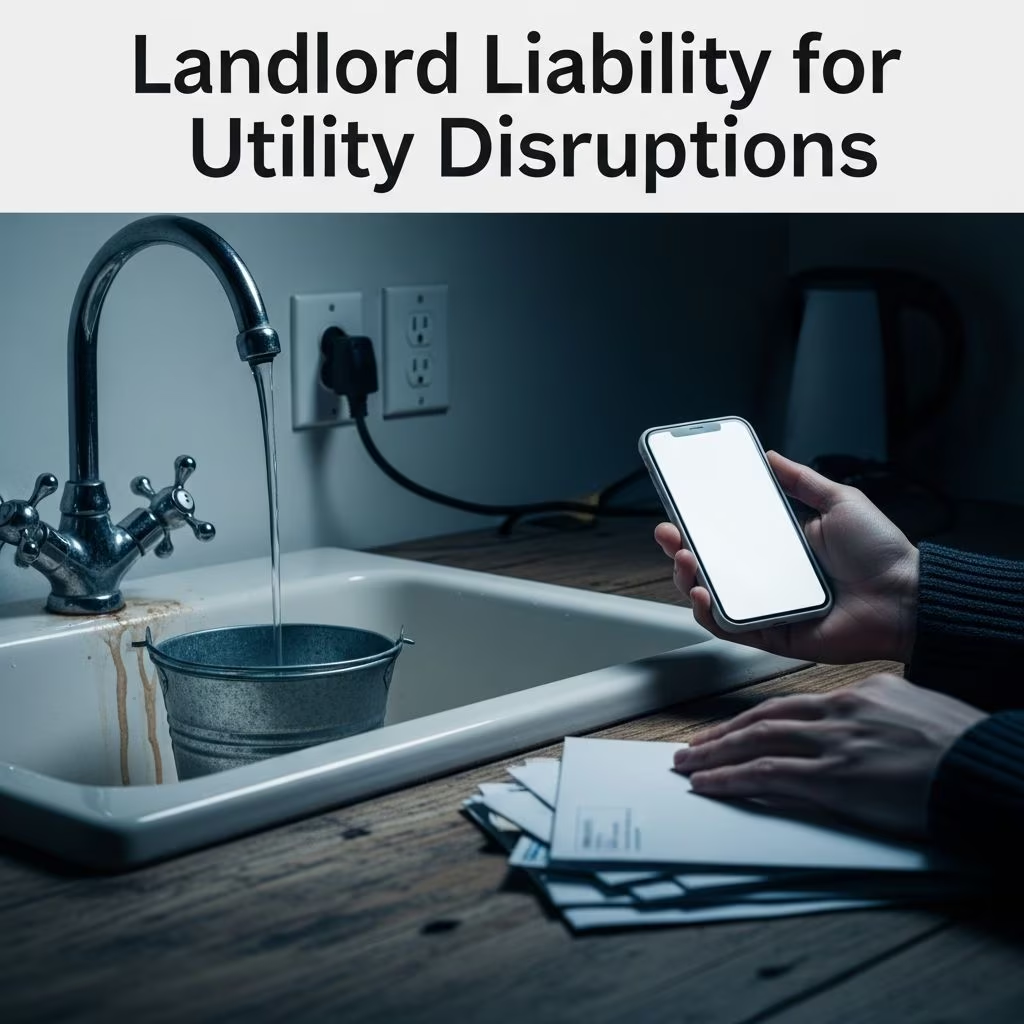
Electricity powers modern living, making its absence a serious issue in rental properties. Property owners bear significant duties to ensure continuous service, but liability hinges on outage causes, duration, and local regulations. This article delves into these obligations, drawing from legal standards across jurisdictions.
Core Duties of Property Owners Regarding Electricity
Rental units must meet basic habitability standards, which include reliable electrical service. Owners are required to keep wiring, panels, and fixtures in safe condition, regardless of who pays the utility bill. Federal guidelines via the implied warranty of habitability set this baseline, but states define specifics.
When disruptions occur, owners must act swiftly. Typical restoration windows range from 24 to 72 hours, varying by emergency status. For instance, hazards like faulty wiring demand immediate attention, while minor issues allow slightly more time. Failure to comply can trigger tenant actions such as rent withholding or court orders.
- Inspect and maintain electrical systems regularly to prevent failures.
- Respond to reported problems with documented timelines.
- Coordinate with utility providers for widespread issues.
Distinguishing Owner Fault from External Causes
Not all blackouts fall on the landlord. Widespread events from storms or grid failures often absolve owners of direct blame, as power lines are utility-owned. However, the warranty of habitability persists; prolonged outages—days rather than hours—may still warrant remedies like partial rent refunds.
Courts assess duration and impact. Short interruptions, under a few hours, rarely qualify for abatement. Extended ones, especially impairing refrigeration or heating, breach livability standards. Owners retain ‘ultimate control’ over premises, extending responsibility even to third-party acts.
| Outage Cause | Typical Landlord Role | Restoration Expectation |
|---|---|---|
| Building wiring fault | Full responsibility | 24-48 hours |
| Storm/grid failure | Limited; communicate updates | Depends on utility; provide alternatives if prolonged |
| Tenant non-payment (their meter) | Infrastructure only | No shutoff authority |
Tenant Responsibilities in Utility Matters
Renters must handle their portion, like paying bills for individually metered units. Yet, they cannot be punished via shutoffs for disputes—such ‘self-help’ tactics are illegal everywhere, risking fines up to a month’s rent plus damages.
Owners maintain infrastructure even here. Tenants should report issues promptly in writing, aiding timelines for remedies. Cooperation for repairs is expected, per lease terms.
State-Specific Regulations on Service Restoration
Laws differ sharply by location, shaping response mandates.
Texas Standards
Under Texas Property Code § 92.052, owners must remedy health/safety threats diligently. Emergencies get 24 hours; standard fixes, 7 days. Violations allow lease termination, repair-and-deduct, or lawsuits with penalties including one month’s rent + $500.
Florida Requirements
Florida Statute § 83.51 demands good-condition electrics. Same 24-hour emergency/7-day timelines apply. Intentional cutoffs invite criminal charges and swift court relief for tenants.
New York Protections
New York Real Property Law § 235-b mandates immediate emergency fixes and reasonable non-emergency responses (24-72 hours). NYC’s Housing Maintenance Code reinforces continuous service. Tenants access agencies for abatements or actions.
Other states like Michigan require ‘good repair’ for systems, with escalating damages for neglect—up to $200/day or triple actual losses.
Available Remedies for Affected Renters
When owners falter, tenants have options:
- Rent Abatement: Proportional reduction for uninhabitable periods, court-backed in places like New York.
- Repair and Deduct: Fix issues themselves and subtract costs, capped by state limits.
- Lease Termination: Exit without penalty after notice.
- Lawsuits: Seek damages, fees, and injunctions.
Documentation is key—photos, emails, timelines strengthen cases.
Proactive Steps for Property Managers
Minimize risks through preparation:
- Secure comprehensive insurance covering outages and income loss.
- Build emergency electrician networks.
- Stock temporary solutions: generators, alternative units.
- Communicate transparently—update tenants hourly if possible.
- Record all actions meticulously for defense.
Advise renters on readiness: nonperishables, flashlights, insurance.
Insurance and Financial Safeguards
Landlord policies often reimburse repair costs and lost rent. Tenants need renters’ insurance for personal losses during outages, as owner coverage excludes contents. Claims processes demand proof of prompt response.
Preventive Maintenance Strategies
Regular audits catch issues early. Upgrade to code-compliant systems, especially in older buildings. Annual inspections ensure safety, averting liabilities.
Frequently Asked Questions
Can a landlord shut off power for unpaid rent?
No, this is illegal nationwide, punishable by fines, lawsuits, and potential criminal charges.
How long without power before remedies apply?
Typically 24-72 hours; emergencies demand faster action. Duration and cause determine eligibility.
Are owners liable for storm outages?
Not directly for grid issues, but prolonged effects may require accommodations or abatements.
What if the tenant pays the electric bill?
Owners still handle infrastructure maintenance and cannot interfere with service.
Can tenants withhold rent during outages?
Possibly, with notice and documentation, but state laws govern—consult local rules.
Navigating Disputes Effectively
Early dialogue prevents escalation. Owners offering prorated refunds or hotel stays show good faith. Tenants filing agency complaints (e.g., NYC’s HPD) prompt inspections without court.
For severe cases, legal aid or housing courts provide free guidance. Understanding mutual duties fosters stable tenancies.
References
- How long can a landlord leave you without electricity? — Steadily. 2023. https://www.steadily.com/blog/how-long-can-a-landlord-leave-you-without-electricity
- Q & A: Are Landlords Really Responsible for Con-Ed’s Inability to Provide Power — Albertson & Davidson LLP. 1979 (case cited). https://alblawfirm.com/articles/inability-to-provide-power/
- Landlord Responsibilities during weather-caused power outage — BiggerPockets Forums. N/A. https://www.biggerpockets.com/forums/52/topics/332896-landlord-responsibilities-during-weather-caused-power-outage
- Landlord Rights and Responsibilities — Michigan Legal Help. N/A. https://michiganlegalhelp.org/resources/housing/landlord-rights-and-responsibilities
- Are Your Tenants Truly Prepared for a Power Outage? — NREIG. N/A. https://nreig.com/are-your-tenants-truly-prepared-for-a-power-outage/