
Cooling Rights: Understanding Landlord AC Obligations
Explore tenant rights to air conditioning and landlord cooling obligations across US jurisdictions.
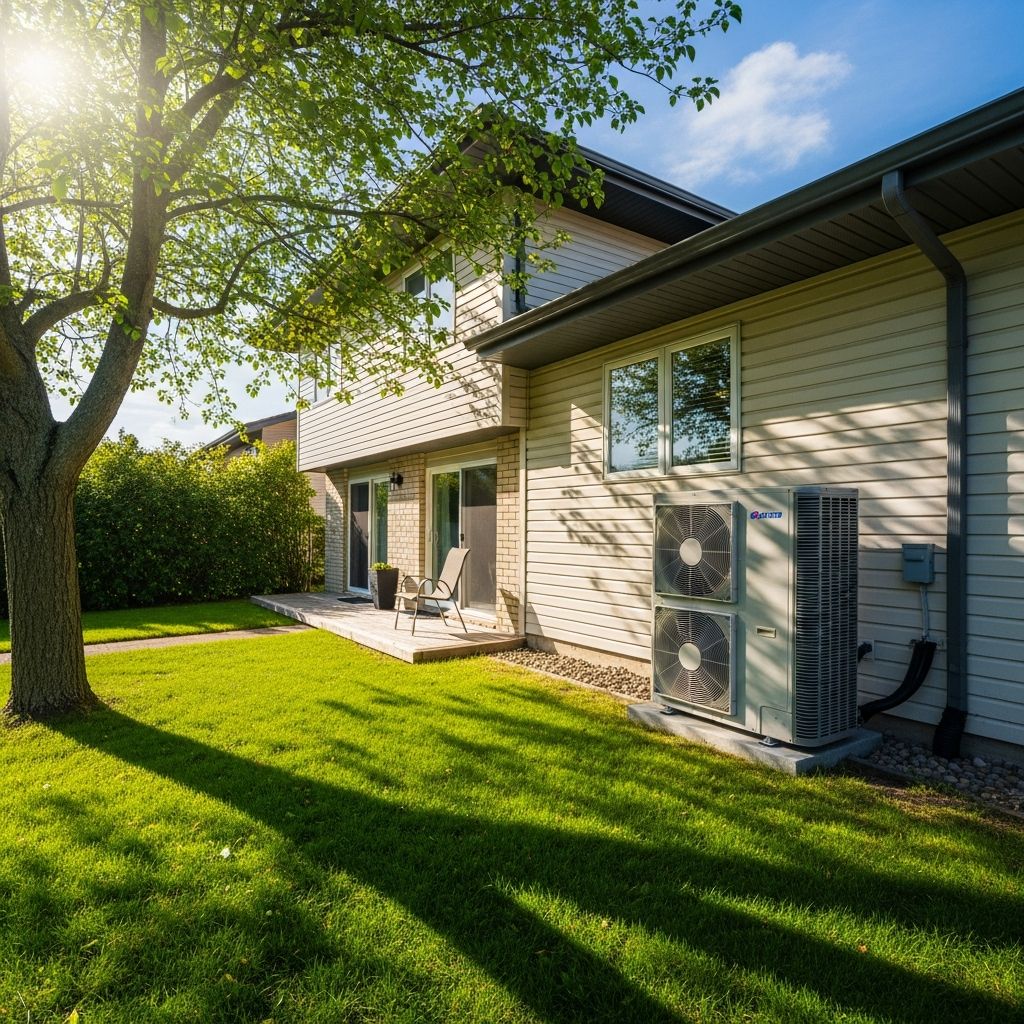
Understanding Landlord Cooling Obligations in Rental Properties
The question of whether landlords must provide air conditioning touches on fundamental issues of tenant welfare, housing standards, and property owner responsibilities. Unlike heating requirements, which have been established for over a century in many jurisdictions, air conditioning occupies a more complex legal landscape. This evolving area of housing law reflects changing climate conditions, emerging public health concerns, and shifting perspectives on what constitutes adequate housing.
The Federal Framework and General Standards
At the federal level, there is no overarching mandate requiring landlords to install or maintain air conditioning systems in rental properties. The absence of federal air conditioning requirements represents a deliberate distinction from heating standards, which have been nationally recognized as essential to tenant safety and habitability. This federal neutrality means that cooling obligations are determined primarily by state and local authorities, creating a patchwork of regulations across the country.
The foundational legal concept governing landlord-tenant relationships is the implied warranty of habitability. This doctrine establishes that rental properties must maintain minimum standards to ensure they are safe, sanitary, and suitable for occupancy. However, the scope of what constitutes habitability has traditionally centered on essential systems such as plumbing, electrical wiring, hot water supply, and heating mechanisms. Air conditioning, while increasingly recognized as important for health and comfort, has not been universally incorporated into habitability standards across all jurisdictions.
State-by-State Variations in Cooling Requirements
The regulatory landscape for air conditioning varies significantly depending on geographic location. Understanding your specific jurisdiction’s rules is essential for both landlords and tenants navigating their rights and responsibilities.
Washington, DC Regulations
Washington, DC’s housing code maintains specific temperature requirements but does not mandate air conditioning installation. The District requires landlords to maintain minimum indoor temperatures of at least 68 degrees Fahrenheit during the winter heating season from October through May. However, no maximum indoor temperature requirement or air conditioning mandate exists in the standard regulatory framework.
An important exception exists during extreme heat emergencies. When the DC Department of Energy and Environment declares a heat emergency with a heat index of 95 degrees Fahrenheit or above, landlords must take reasonable steps to ensure units remain livable, particularly for elderly or medically vulnerable populations. Additionally, if air conditioning is included as part of the lease agreement, landlords bear the responsibility for maintaining the system in working order.
Virginia’s Approach
Virginia does not require landlords to provide air conditioning systems as a standard obligation. However, the state’s Residential Landlord and Tenant Act contains an important provision: if air conditioning is provided as part of the rental arrangement, landlords must maintain it in good working condition under Va. Code § 55.1-1234. Tenants whose landlords fail to repair a functioning air conditioning system may pursue several remedies, including rent escrow, repair-and-deduct options, or lease termination.
Maryland’s Standards
Similar to Virginia, Maryland law does not mandate that landlords provide air conditioning in residential rentals. However, if an air conditioning system is included in the lease as an amenity, landlords must maintain it under the state’s Residential Landlord-Tenant Act. Maryland courts have recognized that extremely high indoor temperatures during summer months could potentially constitute a breach of the implied warranty of habitability in severe circumstances, especially for vulnerable tenant populations.
New York’s Groundbreaking Legislation
New York State traditionally has not required air conditioning provision by landlords, focusing instead on winter heating requirements from October 1 through May 31. However, New York City has recently enacted progressive cooling legislation. A newly enacted city law will require landlords to install and maintain air conditioning units for tenants who request them, with full enforcement commencing by June 1, 2030.
This landmark legislation applies to both market-rate and rent-stabilized apartments and represents a significant shift in housing policy. Tenants can begin opting in starting March 1, 2028, by formally requesting air conditioning from their landlord. Once a request is approved, building owners have 60 days to comply with installation requirements.
The temperature standards established by this law require that bedrooms be maintained at or below 78 degrees Fahrenheit when outdoor temperatures exceed 82 degrees, during the cooling season from June 15 through September 15. While landlords must cover installation and equipment costs, tenants remain responsible for electricity expenses.
The Habitability Doctrine and Cooling Needs
The implied warranty of habitability forms the legal foundation for minimum housing standards in rental properties. This doctrine traditionally encompasses critical building systems essential to basic human survival and health. However, the interpretation of habitability has been expanding in recent years as climate conditions intensify and public health data demonstrates heat-related dangers.
Most jurisdictions have not included air conditioning within the standard habitability framework, even though temperatures can reach dangerous levels. The distinction between heating and cooling in legal frameworks reflects historical development patterns—heating requirements emerged during an era when winter deaths from exposure were common and recognized threats. Cooling protections are being reconsidered as heat waves become more frequent and more deadly.
Courts have begun recognizing that in certain extreme climates or circumstances, the absence of cooling capacity could potentially violate habitability standards. This emerging recognition is particularly relevant for vulnerable populations including elderly residents, individuals with medical conditions sensitive to heat, and very young children who face serious health risks during heat waves.
Disability Accommodations and Special Circumstances
The Fair Housing Act and Americans with Disabilities Act create additional obligations that supersede general air conditioning requirements. Landlords may be legally required to provide reasonable accommodations for tenants with medical conditions for which air conditioning is essential. This includes individuals with cardiovascular conditions, respiratory diseases, mobility limitations, or other health challenges exacerbated by heat exposure.
Under these federal disability laws, even in jurisdictions without standard air conditioning mandates, landlords must consider requests for cooling devices such as window units or portable air conditioning equipment as potential reasonable accommodations. Failure to provide reasonable accommodations for individuals with disabilities can result in fair housing violations and legal liability.
When Air Conditioning Is Provided as an Amenity
Many landlords voluntarily provide air conditioning systems as a competitive amenity to attract and retain quality tenants. When this occurs, important legal responsibilities arise. Air conditioning becomes part of the lease agreement, and landlords are typically responsible for maintenance and repairs in jurisdictions including DC, Virginia, and Maryland.
If an air conditioning system was functional at the time of tenant move-in and is referenced in the lease, landlords generally must maintain it in working order. Failure to perform necessary repairs can result in lease violations, legitimate rent withholding, or legal claims from tenants seeking damages or lease termination. Tenants should always document the condition of air conditioning systems during move-in inspections and maintain records of maintenance requests.
The New York City Model and National Trends
New York City’s recent legislation signals a potential national trend toward greater cooling protections. The law addresses both temperature standards and payment responsibilities through a balanced approach. Landlords handle capital investments in equipment and installation, while tenants manage operational electricity costs.
The legislation includes provisions for hardship situations, offering waivers and deadline extensions granted in two-year increments subject to formal approval. Public housing through the New York City Housing Authority receives different treatment, exempted from the installation mandate but required to submit a comprehensive cooling plan achieving cooling upgrades for at least 25 percent of units by 2030.
For rent-stabilized apartments, building owners can apply for permanent rent increases tied to air conditioning installation costs, creating a mechanism to offset equipment expenses. Housing advocates emphasize that tenants should thoroughly understand these provisions before opting into cooling services.
Landlord Concerns and Implementation Challenges
Landlord groups and property owner associations have raised legitimate concerns about cooling mandate feasibility and costs. Industry representatives argue that legislation often lacks specifics regarding compliance pathways and contains numerous complications that complicate implementation. Questions about equipment selection, electrical infrastructure upgrades, and energy efficiency standards require clarification in regulatory frameworks.
Property owners emphasize that in many buildings, providing adequate cooling would prove financially prohibitive without clear cost-recovery mechanisms or substantial upfront assistance. Some advocates for landlord interests contend that if governments are serious about mandating cooling, regulations must be designed to be both carbon-neutral and revenue-neutral for property owners.
Public Health Implications and Mortality Data
Public health evidence increasingly supports mandatory cooling protections. Current data indicates that approximately 350 New Yorkers die from heat-related illness annually, despite more than 90 percent of the population already having some form of air conditioning access. These deaths occur among vulnerable populations including elderly residents, individuals with chronic illnesses, and low-income tenants unable to afford adequate cooling.
Heat-related health emergencies disproportionately affect populations living in inadequately cooled housing, particularly during record-breaking heat waves that are becoming more frequent as climate patterns shift. Medical professionals increasingly recognize that access to reliable cooling represents a life-or-death issue in urban environments, justifying regulatory intervention.
Practical Steps for Tenants and Landlords
For Tenants
- Research your jurisdiction’s specific air conditioning requirements and regulations
- Review your lease carefully to understand what cooling services are included as amenities
- Document air conditioning system conditions during move-in inspections
- Submit maintenance requests in writing and maintain copies for your records
- Understand your rights regarding repair-and-deduct remedies and rent withholding
- Explore reasonable accommodation options if medical conditions warrant cooling needs
- Stay informed about pending legislative changes affecting cooling requirements
For Landlords
- Clarify cooling expectations in lease agreements to avoid disputes
- Maintain air conditioning systems in good working condition if provided as amenities
- Respond promptly to cooling system repair requests during hot months
- Monitor evolving regulations in your jurisdiction regarding cooling requirements
- Plan for potential compliance with emerging cooling mandates through infrastructure assessment
- Document maintenance performed and maintain records of tenant communication
- Consider obtaining adequate liability insurance covering climate-related issues
Common Questions About Cooling Responsibilities
Q: Are landlords required to provide air conditioning everywhere in the United States?
A: No. Federal law does not mandate air conditioning provision. Requirements vary significantly by state and locality. Most jurisdictions do not mandate cooling, though some areas including New York City have recently enacted requirements. Always check your specific location’s regulations.
Q: What happens if my air conditioning breaks and my lease includes it?
A: If cooling was part of your rental agreement, landlords are generally required to repair or maintain it. You may be able to withhold rent, use repair-and-deduct remedies, or terminate the lease depending on your jurisdiction’s laws and how quickly repairs are completed.
Q: Can I request air conditioning as a disability accommodation?
A: Yes. Under the Fair Housing Act and Americans with Disabilities Act, landlords must consider reasonable accommodation requests for individuals with medical conditions requiring cooling. Document your medical need and submit your request formally in writing.
Q: How does New York City’s new law affect current tenants?
A: Starting March 1, 2028, New York City tenants can formally request air conditioning installation. Landlords will have 60 days to comply. Tenants pay electricity costs, while landlords cover equipment and installation. Enforcement begins June 1, 2030.
Q: What temperature should landlords maintain during summer?
A: This depends on your jurisdiction. New York City law requires bedrooms at or below 78 degrees Fahrenheit when outdoor temperatures exceed 82 degrees. Other areas may have different standards or no specific requirements. Check local housing codes.
Q: Are there exemptions to cooling requirements?
A: Some regulations include hardship waivers and deadline extensions. Public housing authorities may face different requirements than private landlords. Specific exemptions depend on your jurisdiction’s laws and the building type.
Looking Forward: The Evolution of Cooling Standards
The landscape of air conditioning requirements is evolving as climate patterns change and public health evidence accumulates. What was once considered a luxury amenity is increasingly being recognized as essential infrastructure for tenant health and safety. The New York City precedent suggests that additional cities and states may implement cooling mandates in coming years.
Stakeholders including tenant advocates, public health officials, climate scientists, and housing experts are engaged in ongoing discussions about balancing tenant protections with landlord feasibility. These conversations will likely shape future regulations determining how cooling costs are distributed, what temperature standards apply, and which populations receive priority protections.
References
- NYC Law Will Require Landlords to Install AC in All Units by 2030 — Timeout New York. 2026-01-23. https://www.timeout.com/newyork/news/by-2030-nyc-landlords-may-be-required-to-provide-air-conditioners-in-all-units-012326
- New bill would require NYC landlords to provide air conditioning — CBS New York. 2025. https://www.cbsnews.com/newyork/news/nyc-air-conditioning-bill/
- Are Landlords Required to Provide Air Conditioning? — Gordon James Realty. 2026. https://www.gordonjamesrealty.com/resources/knowledge-hub/rental-a-c-rules-what-landlords-need-to-know
- Landlords Must Provide Air Conditioning in New York State? — WYRK. 2026. https://wyrk.com/landlords-must-provide-air-conditioning-in-new-york-state/
- Staying Cool: What Are a Landlord’s Responsibilities Regarding AC? — Honeycomb Insurance. 2025. https://honeycombinsurance.com/insurance-learning-center/ac-in-rental-properties/
Similar Articles








Read full bio of medha deb




