
Jail for Unpaid Loans: Myths and Realities
Unraveling the truth: Can failing to repay a loan lead to imprisonment? Explore legal boundaries and smart strategies.
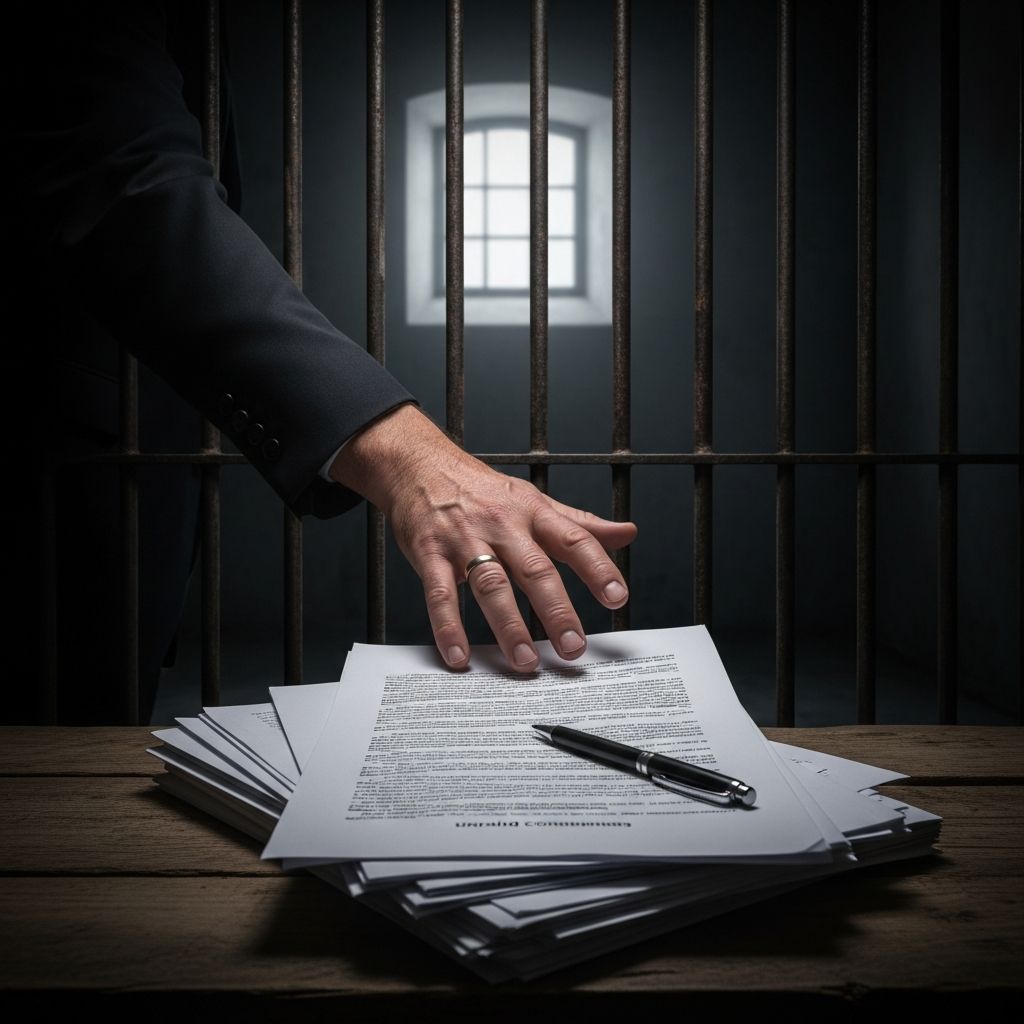
In today’s economy, taking out loans is commonplace, but what happens when repayment becomes impossible? A common fear is imprisonment for defaulting on a loan. The short answer is no—you cannot be jailed simply for failing to repay most consumer loans. Debt from sources like personal loans, credit cards, or auto financing is treated as a civil matter, not criminal. However, ignoring court summonses or specific obligations can escalate situations dramatically. This article delves deep into the legal framework, exceptions, processes, and proactive measures to safeguard your rights.
Understanding Debt Classification: Civil vs. Criminal
Most loans fall under civil debt, meaning disputes are resolved through lawsuits rather than criminal charges. Creditors must sue in civil court to obtain a judgment, after which they can pursue collection via wage garnishment, bank levies, or liens—but not arrest warrants for the debt itself.
Criminal debt, by contrast, involves intentional wrongdoing like fraud or evasion. Simply lacking funds to pay does not qualify. The U.S. Constitution’s protections against debtor’s prisons, rooted in the 13th Amendment, reinforce this: imprisonment for debt alone is unconstitutional.
- Civil Debts (No Jail Risk): Credit cards, student loans, medical bills, payday loans, personal loans.
- Criminal Risks (Possible Jail): Fraudulent loans, tax evasion, court fines.
Rare Exceptions: When Non-Payment Can Lead to Incarceration
While everyday loans won’t send you behind bars, certain court-ordered debts carry serious penalties for non-compliance.
Child Support Obligations
Federal law allows jail time for willful failure to pay child support. Penalties range from six months to two years, especially if arrears exceed $5,000, are over a year old, or if the payer flees jurisdiction. State courts can also hold parents in contempt for disobeying payment orders.
Tax Debts and IRS Enforcement
Unpaid federal taxes can trigger criminal prosecution for evasion, leading to fines and imprisonment. Civil enforcement includes asset seizures, but deliberate fraud elevates it to criminal territory.
Court Fines and Restitution
Failure to pay criminal fines or victim restitution after conviction can result in jail, particularly if deemed willful. The Supreme Court has ruled against jailing the indigent solely for inability to pay, but repeated non-compliance risks contempt charges.
| Debt Type | Jail Possible? | Trigger | Max Penalty |
|---|---|---|---|
| Personal Loan | No | N/A | N/A |
| Child Support | Yes | Willful non-payment | Up to 2 years |
| Taxes (Evasion) | Yes | Fraud/Evasion | Varies |
| Court Fines | Yes | Contempt | State-dependent |
The Court Process: From Lawsuit to Judgment
Here’s how a creditor pursues unpaid loans:
- Summons and Complaint: Creditor files suit; you’re served notice.
- Response Deadline: 20-30 days to answer; ignoring leads to default judgment.
- Judgment Entry: Court awards amount owed plus fees.
- Collection Attempts: Garnishment (up to 25% wages), liens, levies.
- Contempt Risk: Only if you defy post-judgment orders, like debtor’s exams.
Key fact: Arrest requires contempt of court—disobeying a direct order, not the debt.
Some collectors illegally threaten jail to intimidate. The Fair Debt Collection Practices Act (FDCPA) bans such threats, classifying them as harassment. Report violations to the Consumer Financial Protection Bureau (CFPB) or state attorney general.
- Valid Actions: Calls, letters, credit reporting, lawsuits.
- Illegal Threats: Arrest, jail, or badge-flashing.
Student Loans and Payday Loans: Special Considerations
Federal student loans lead to default after 270 days, triggering Treasury offsets and private collection—but no jail. Private loans follow civil paths.
Payday loans are high-risk but still civil; default invites suits, not cuffs. Ignore summons? Risk contempt.
State Variations in Debt Enforcement
Laws differ by state. Some cap garnishments strictly; others allow broader collections. ‘Confession of judgment’ clauses in loans can fast-track judgments—check your contract. Always verify local rules via state consumer protection sites.
Strategies to Avoid Legal Escalation
Proactive steps mitigate risks:
- Communicate Early: Negotiate hardship plans or settlements.
- Respond to Suits: File answers; seek free legal aid.
- Debt Management: Programs consolidate payments.
- Bankruptcy Option: Chapter 7/13 discharges eligible debts.
- Credit Counseling: Non-profits offer plans.
For child support/taxes, request modifications proving inability to pay.
Frequently Asked Questions (FAQs)
Can I go to jail for unpaid credit card debt?
No, credit card debt is civil. Jail only if you ignore court orders leading to contempt.
What if a collector threatens arrest?
Illegal under FDCPA. Report to CFPB; don’t pay under duress.
Does bankruptcy stop loan collection?
Yes, automatic stay halts suits. Discharges most unsecured loans.
Can wages be garnished without notice?
No, post-judgment only, with limits (e.g., 25% disposable income).
How to handle defaulted payday loans?
Negotiate or defend suits; no arrest for default alone.
Long-Term Financial Recovery After Default
Default impacts credit for 7 years, but rebuilding is possible: Secured cards, budgeting, income boosts. Consult NFCC-certified counselors for tailored plans.
Understanding these nuances empowers informed decisions. Debt is manageable without fearing prison for honest struggles.
References
- Can You Go to Jail for Debt? — Experian. 2023. https://www.experian.com/blogs/ask-experian/can-you-go-to-jail-for-debt/
- Can You Be Jailed for Not Paying Your Debt in the United States? — MoneyFit by Jake Delaney. 2024. https://www.moneyfit.org/can-you-go-to-jail-for-debt-america/
- Can You Go to Jail for Debt? Civil Contempt Laws Explained — Nolo. 2023. https://www.nolo.com/legal-encyclopedia/the-new-bill-collector-tactic-jail-time.html
- Could I be arrested if I don’t pay back my payday loan? — Consumer Financial Protection Bureau. 2024. https://www.consumerfinance.gov/ask-cfpb/could-i-be-arrested-if-i-dont-pay-back-my-payday-loan-en-1631/
- Can I Go to Jail For Not Paying a Student Loan? — Tate Law Group. 2025-09-14. https://www.tateesq.com/learn/jail-for-not-paying-student-loan
- Can I be arrested for an unpaid debt? — Consumer Financial Protection Bureau. 2024. https://www.consumerfinance.gov/ask-cfpb/can-i-be-arrested-for-an-unpaid-debt-en-1537/
Similar Articles








Read full bio of Sneha Tete




