
Jail Booking: Intake, Searches, ID, Bail, And What To Expect
Understand every step of jail booking, from arrest to release, and what rights you have during intake.
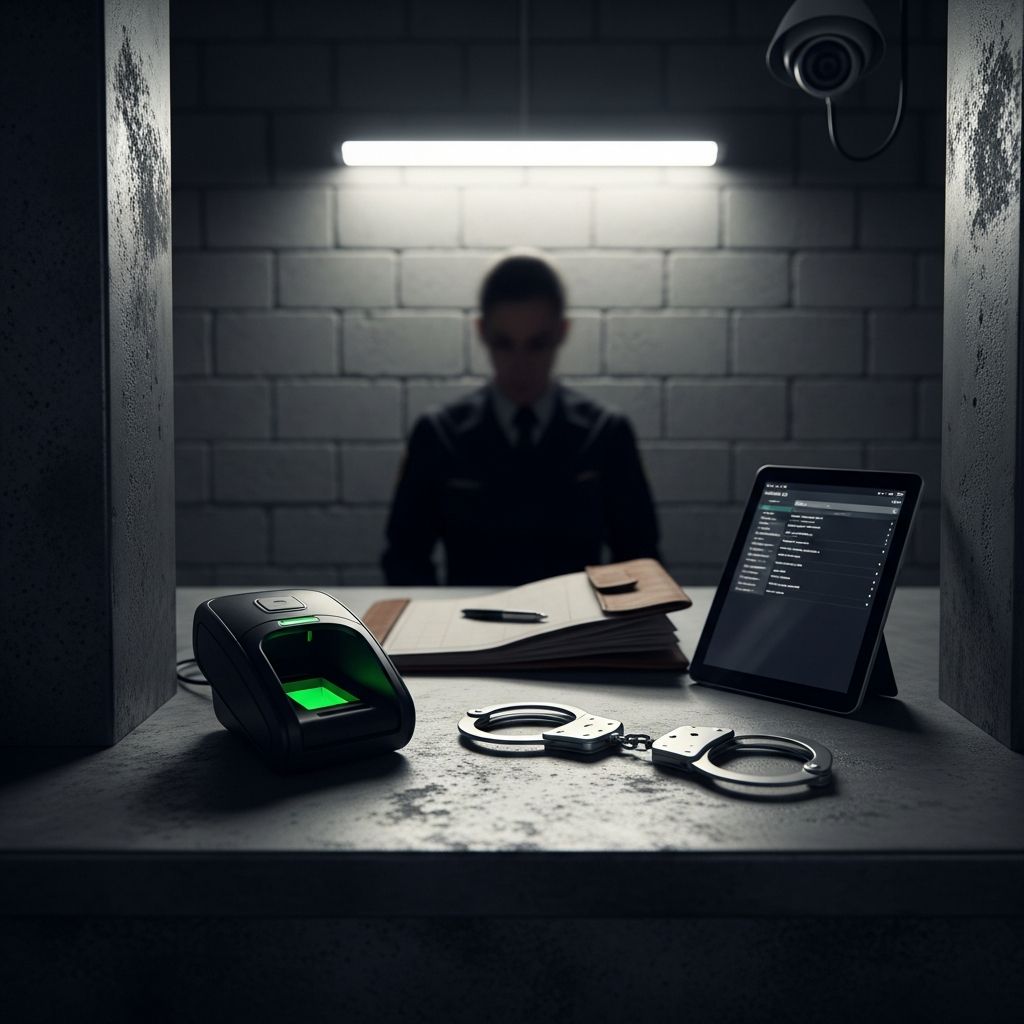
The moment of arrest marks the beginning of a structured intake process known as jail booking. This essential procedure ensures jails maintain order, verify identities, and protect public safety while respecting constitutional rights. Booking typically occurs immediately after arrest and can last from 30 minutes to several hours, depending on facility volume and individual circumstances.
Initial Arrival and Holding
Upon reaching the jail facility, the arrested individual is usually handcuffed and escorted to a secure booking area. Here, they wait in a designated holding room—often called the ‘booking room’ or ‘first pit’—while the arresting officer completes necessary paperwork. This phase allows time for initial verification of the arrest details and can take about 30 to 60 minutes.
During this wait, contact with other detainees is limited to prevent issues, and personal belongings are not yet managed. The environment is stark, featuring basic amenities like a bench, and sometimes a toilet or phone for essential calls. Patience is key, as delays are common due to high intake volumes.
Thorough Searches for Safety
Safety is paramount in jails, so a comprehensive search follows the initial hold. Officers conduct pat-downs, strip searches (in private for serious charges), and inventory all possessions to prevent contraband entry. Items like weapons, drugs, jewelry, cash, and even shoelaces are confiscated and logged.
This step protects everyone involved: staff, inmates, and visitors. Refusal to cooperate can extend processing time, especially if intoxication is involved. Belongings are stored securely, with receipts provided for retrieval upon release.
Identification and Record Creation
Core to booking is establishing a permanent record. Officers take full-face photographs (mugshots) from multiple angles and electronic fingerprints, which are checked against national databases for prior records or outstanding warrants.
DNA swabs may be required for certain felonies, entered into systems like CODIS for future matching. Personal details—name, address, date of birth, physical description—are documented. This creates an official arrest record, visible in public databases post-processing.
| Step | Purpose | Typical Duration |
|---|---|---|
| Mugshot Photography | Visual ID for records | 5-10 minutes |
| Fingerprinting | Biometric verification | 10-15 minutes |
| DNA Collection (if applicable) | Genetic profiling | 5 minutes |
| Warrant Checks | Detect holds or priors | 15-30 minutes |
Medical and Mental Health Screening
Health assessments are mandatory to identify immediate needs. Nurses or trained staff evaluate for injuries, illnesses, drug withdrawal, or suicidal ideation using standardized questionnaires. Vital signs are checked, and necessary treatments initiated.
This screening complies with legal standards like those from the Supreme Court in Florence v. Board of Chosen Freeholders, ensuring humane treatment. Those needing care may be isolated or transferred to medical units.
Bail Determination and Pre-Trial Evaluation
After basic processing, individuals face pre-trial services or magistration. A magistrate or judge sets bail based on charge severity, flight risk, and criminal history. Options include release on own recognizance (ROR), cash bail, or surety bonds.
In many jurisdictions, pre-trial officers interview the detainee to recommend conditions like electronic monitoring or check-ins. For low-level offenses, citation release may occur without full detention. Bail amounts vary widely: minor infractions might require $100, while felonies can exceed $100,000.
- ROR: No money needed; promise to appear in court.
- Cash Bail: Full amount paid, refundable minus fees.
- Bond: Bail bondsman posts for a 10-15% non-refundable fee.
- Detention: No bail if deemed high risk.
Phone Calls and Attorney Access
Booking includes limited phone privileges, often one or two calls to family or an attorney from a ‘second pit’ holding area. These calls are recorded except attorney lines, so discretion is advised.
Right to counsel activates here; public defenders are assigned if needed, or private attorneys can be contacted. This step bridges to arraignment, where formal charges are read.
Placement in Holding or General Population
Post-booking, without immediate release, detainees enter holding cells awaiting bail posting, hearings, or transfer. Classification sorts by risk: violent offenders separated from others.
Facilities prioritize hygiene, meals, and basic needs. Visitation or medication access follows after 3-5 days in some jails.
Legal Rights During Booking
The Fifth Amendment protects against self-incrimination; you can remain silent beyond basic ID. Miranda rights, read at arrest, apply. Unreasonable searches violate the Fourth Amendment, though booking searches are standard.
Discrimination is prohibited; equal treatment under law is enforced. Challenges to prolonged booking without cause can lead to claims of due process violations.
Variations Across Jurisdictions
Procedures differ: urban jails like NYC’s Central Booking handle high volumes with longer waits, while rural ones process faster. States vary on strip searches and DNA mandates. Federal facilities follow U.S. Marshals guidelines.
| Jurisdiction | Key Feature | Avg. Time |
|---|---|---|
| Salt Lake County, UT | Pre-Trial Services interview | 2-4 hours |
| New York City | Central Booking per borough | 12-24 hours |
| Hays County, TX | Magistration post-processing | 1-3 hours |
What Happens After Booking?
Booking leads to arraignment: first court appearance for plea entry and conditions set. Prosecutors review cases; charges may drop, leading to release. Unresolved cases mean detention until trial or plea deal.
Bail posting allows exit; bondsmen facilitate for those unable to pay full amounts. Failure to appear forfeits bail.
Frequently Asked Questions (FAQs)
How long does jail booking take?
Typically 1-6 hours, but up to 24+ in busy facilities. Factors include volume and cooperation.
Can I post bail right after arrest?
No, full booking must complete first, including ID and searches.
What if I have a warrant?
Release is blocked until resolved; officers check databases during booking.
Do I get my belongings back?
Yes, upon release, after inventory sign-off.
Can I refuse a strip search?
Generally no for jail entry, per Supreme Court rulings, but privacy is maintained.
What about medications?
Screening identifies needs; jails provide equivalents or storage.
This guide empowers understanding of a daunting process. Consult a local attorney for jurisdiction-specific advice.
References
- What Happens When an Inmate is Booked Into Jail in Salt Lake? — Utah Criminal Law. Accessed 2026. https://www.utahcriminallaw.net/what-happens-when-an-inmate-is-booked-into-jail/
- What Happens After You Get Arrested — Vera Institute of Justice. 2023. https://www.vera.org/news/what-happens-after-you-get-arrested
- What happens when a person goes to jail? — Hays County Sheriff’s Office. Accessed 2026. https://www.hayscountytx.gov/sheriff/what-happens-when-a-person-goes-to-jail
- What Happens During Booking? — Nolo. Accessed 2026. https://www.nolo.com/legal-encyclopedia/what-happens-during-booking.html
Similar Articles








Read full bio of medha deb




