
IVC Filters: Optimal Duration and Removal Essentials
Understanding how long IVC filters should remain in place, removal challenges, and legal implications for patient safety.
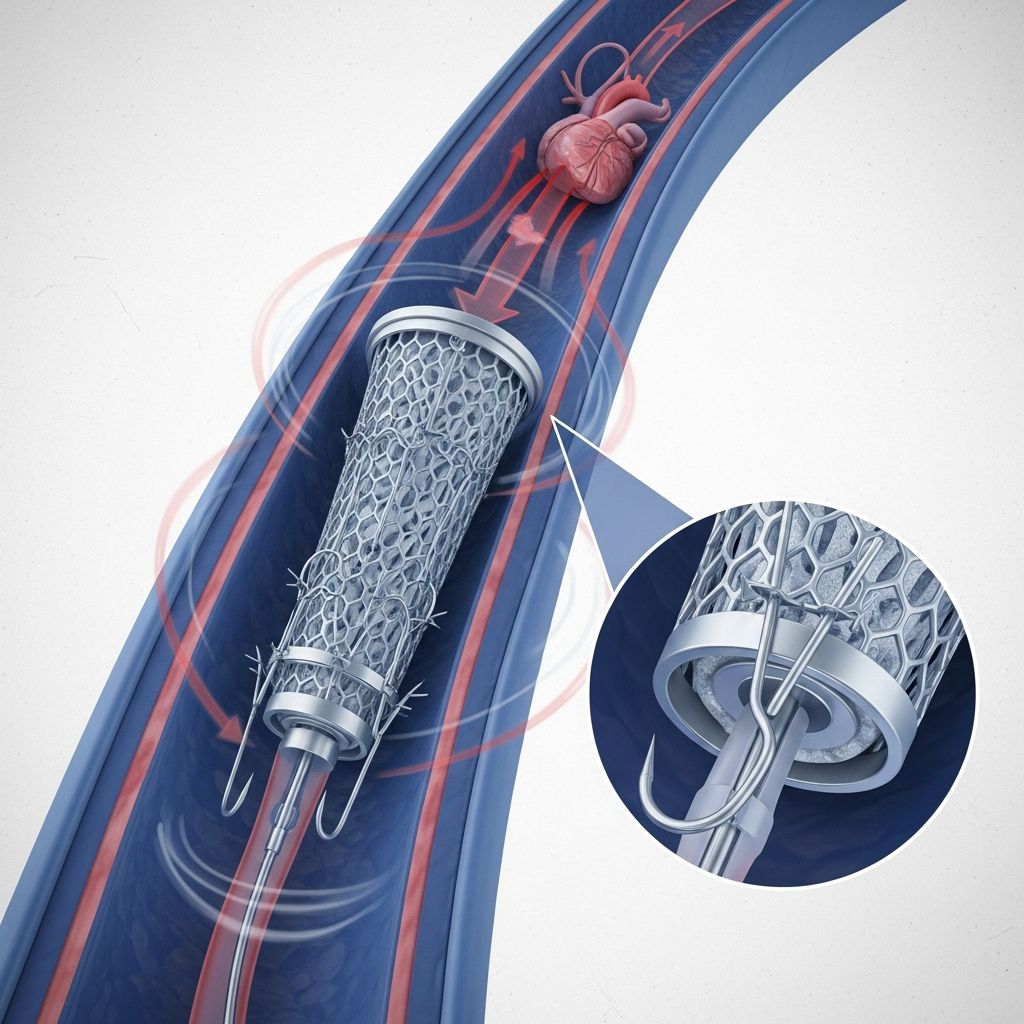
Inferior vena cava (IVC) filters serve as critical devices to prevent pulmonary embolism in patients with blood clots who cannot tolerate anticoagulants. These filters trap clots traveling from the lower body to the lungs, offering life-saving protection during high-risk periods. However, their prolonged presence introduces significant health concerns, prompting strict guidelines on implantation duration and timely retrieval.
Understanding the Role of IVC Filters in Clot Management
IVC filters are small, cage-like structures inserted into the inferior vena cava, the large vein returning blood from the lower body to the heart. They are primarily recommended for individuals with deep vein thrombosis (DVT) or pulmonary embolism (PE) who face contraindications to blood-thinning medications, such as recent surgery, bleeding disorders, or trauma.
Permanent filters were once standard for long-term use, but advancements have shifted toward retrievable models. These temporary devices allow for removal once the patient’s risk subsides and anticoagulation becomes viable. This evolution stems from evidence showing reduced complication rates with short-term use.
- Primary indications: Acute DVT/PE with anticoagulation intolerance.
- Prophylactic use: High-risk scenarios like major surgery or immobility without active clots.
- Patient selection: Those with life expectancy over six months and ability to follow up.
Recommended Timeframes for Filter Implantation
Medical consensus emphasizes brevity in IVC filter dwell time to minimize risks. Retrieval success peaks within the first three months, becoming progressively challenging thereafter due to endothelialization—where body tissue grows over the device.
The FDA advises removing retrievable filters between 29 and 54 days when the threat of PE diminishes. Guidelines from bodies like the Society of Interventional Radiology suggest evaluation for removal as soon as patients tolerate anticoagulants, often after several weeks of therapy.
| Filter Type | Recommended Duration | Key Considerations |
|---|---|---|
| Permanent | Indefinite | For patients unable to ever use blood thinners. |
| Retrievable | 29-90 days ideally | Remove when anticoagulation resumes; success drops after 3 months. |
| Prophylactic | Short-term (weeks) | Bridge until risk passes, e.g., post-trauma. |
Anticoagulation should restart promptly post-bleed resolution, even with a filter in place, as filters do not halt new clot formation. Treatment length varies by clot cause—provoked DVTs may need 3 months, unprovoked longer.
Challenges and Complications of Long-Term Retention
Leaving retrievable filters beyond optimal windows heightens dangers. Studies report low retrieval rates, with many devices becoming de facto permanent due to tilt, clot entrapment, tissue ingrowth, or follow-up lapses.
Complications include:
- Thrombotic events: Filter-related DVT or caval thrombosis.
- Structural issues: Migration, perforation, or fracture, potentially damaging organs.
- Infection or pain: Chronic lower back or abdominal discomfort.
Research indicates complication risks rise with indwelling time; one review found clots in 29% of short-term filters upon removal. Patients with stents, like those for May-Thurner syndrome, require at least 3 months of thinners post-placement, but filter decisions remain independent.
The Retrieval Procedure: What Patients Should Expect
Removal involves endovascular techniques via neck or groin access, typically lasting under an hour. Success rates exceed 90% early on, dropping as fibrosis sets in. Patients resume activities within days, though advanced cases may need open surgery.
Pre-retrieval checks confirm low PE risk, anticoagulation tolerance, and no ongoing need. Guidelines stress multidisciplinary follow-up: interventional radiology, hematology, and primary care. Consent requires weighing retrieval benefits against procedural risks.
For irretrievable filters, conversion to permanent status or monitoring may apply, but only if justified by persistent contraindications.
Patient Follow-Up and Decision-Making Protocols
Effective management hinges on scheduled imaging and clinic visits. Protocols recommend re-evaluation after 4-6 weeks, with reminders to ensure compliance. Loss to follow-up contributes to 50-80% non-retrieval in some cohorts.
Shared decision-making is crucial: patients with short life expectancies (<6 months) or refusal may retain filters. High-risk future events, like planned surgeries interrupting thinners, delay removal.
Legal Ramifications of Filter Mismanagement
Failure to remove retrievable IVC filters timely has sparked litigation, particularly against manufacturers for defective designs prone to migration or fracture. Patients suffering complications like organ perforation or recurrent clots may pursue personal injury claims.
Key legal angles include:
- Medical negligence: Physicians not arranging follow-up or ignoring removal guidelines.
- Product liability: Devices failing safety standards, as in FDA warnings on specific models.
- Informed consent breaches: Inadequate disclosure of long-term risks.
Cases often settle for compensation covering medical costs, pain, and lost wages. Statutes of limitations vary by state, typically 1-3 years from injury discovery. Consulting specialized attorneys is advised for viability assessment.
Current Guidelines and Evolving Standards
Professional societies advocate retrievable filters for temporary needs. The American College of Chest Physicians cautions against filters in patients failing thinners, favoring alternatives. Consensus prioritizes anticoagulation as first-line, reserving filters for absolute contraindications.
Recent trials, like those adding filters to 6-month anticoagulation, show mixed PE recurrence benefits but underscore removal at 3 months. Future directions include bioabsorbable filters dissolving post-risk period.
Frequently Asked Questions (FAQs)
Can IVC filters be left in permanently if retrieval fails?
Yes, if safe and indications persist, but only after weighing ongoing risks versus benefits. Guidelines allow this for irretrievable cases.
How soon after placement should removal be attempted?
Ideally within 29-54 days per FDA, or up to 3 months for highest success.
Do I need blood thinners with an IVC filter?
Yes, restart as soon as bleeding resolves; filters complement, not replace, anticoagulation.
What if my filter causes complications years later?
Seek immediate care and legal review; delayed injuries may still qualify for claims under discovery rules.
Who decides if a filter is retrievable?
Interventional specialists assess via imaging; patient consent is required.
Empowering Patients: Next Steps for Safety
Armed with knowledge, patients can advocate for timely removal. Request written follow-up plans post-implantation, track appointments, and report symptoms like leg swelling or pain promptly. Multidisciplinary care optimizes outcomes, reducing the odds of permanent device retention.
In trauma or cancer contexts, prophylactic filters demand even stricter timelines, often days to weeks. Educating providers on guidelines curbs overuse, aligning with evidence-based practice.
References
- Inferior Vena Cava Filters, May-Thurner Syndrome, and Vein Stents — American Heart Association Journals. 2016-01-19. https://www.ahajournals.org/doi/10.1161/circulationaha.115.019944
- Vena Cava Filters: Purpose & Placement — Cleveland Clinic. Accessed 2026. https://my.clevelandclinic.org/health/treatments/17609-vena-cava-filters
- Guidelines for the Use of Retrievable Vena Cava Filters — ICR Journal. Accessed 2026. https://www.icrjournal.com/articles/guidelines-use-retrievable-vena-cava-filters
- When Temporary IVC Filters Become Permanent — Endovascular Today. 2010-02-01. https://evtoday.com/articles/2010-feb/when-temporary-ivc-filters-become-permanent
- Inferior Vena Cava Filters: A Clinical Review and Future Perspectives — PMC (NCBI). 2024. https://pmc.ncbi.nlm.nih.gov/articles/PMC10971000/
Similar Articles








Read full bio of Sneha Tete




