
How Incarcerated Individuals Access Goods in Correctional Facilities
Discover the commissary process in prisons: funding, purchases, common items, and the economic realities behind inmate shopping.
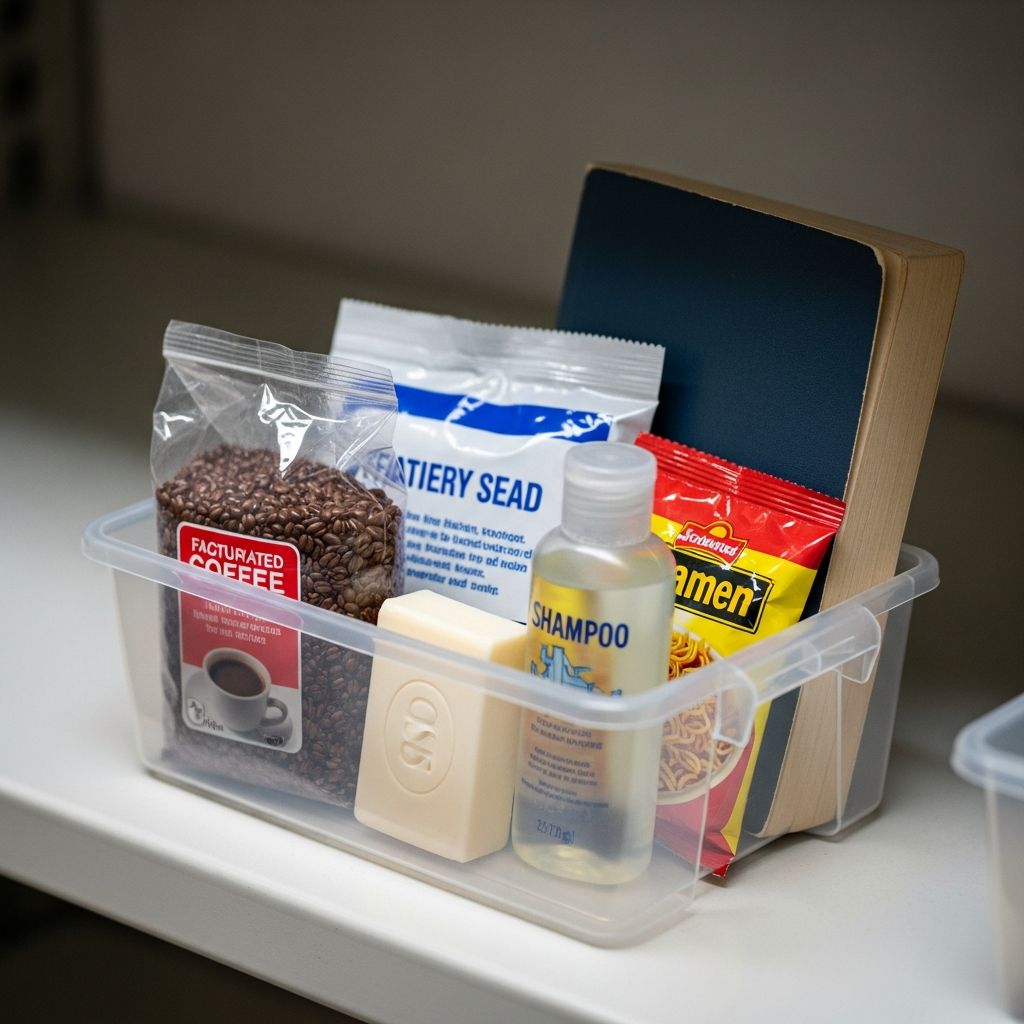
In correctional institutions across the United States, inmates rely on commissary systems to acquire personal care items, food supplements, and other necessities beyond basic provisions. These internal stores operate as controlled retail outlets, allowing limited purchasing power to those with funded accounts. Families and friends play a key role by depositing money, while facilities enforce strict rules to maintain security and order.
The Role of Commissaries in Prison Daily Life
Commissaries serve as a bridge between institutional basics and personal preferences, offering a semblance of choice in an otherwise restrictive environment. Prisons provide meals, clothing, and minimal hygiene products, but quality and quantity often fall short, prompting inmates to seek alternatives. Commissary access typically occurs on scheduled days, where individuals submit orders or visit windows to receive pre-packaged goods.
This system fosters a degree of autonomy, enabling purchases tailored to individual needs like better snacks or writing supplies for family communication. However, it also introduces economic dynamics, as inmates must fund these purchases themselves or through external support.
Funding Inmate Accounts: Deposits and Trust Funds
Inmate trust accounts, often called commissary funds, hold money from various sources. Families deposit via electronic transfers, money orders, or services like MoneyGram and Western Union for federal facilities. Cash deposits are prohibited to prevent contraband risks.
In state prisons, processes vary; some allow online platforms, while others require mailed checks. Earnings from prison jobs—typically low-wage tasks like laundry or kitchen work—also contribute modestly. These funds are strictly segregated; inmates cannot hold cash.
| Method | Federal Prisons | State Prisons (Examples) |
|---|---|---|
| Electronic Transfer | MoneyGram (code 7932), Western Union | Varies; e.g., JPay, Access Corrections |
| Postal money order | Checks/money orders to facility | |
| In-Prison Earnings | Job wages (e.g., $0.12-$1.15/hour) | Similar low rates |
Deposits help supplement inadequate prison rations, but spending limits per cycle prevent hoarding.
Common Categories of Commissary Products
Selections prioritize security-approved items, excluding anything weaponizable or perishable. Categories include:
- Hygiene Essentials: Soap, shampoo, toothpaste, razors (often safety versions), deodorant, and feminine products. These address gaps in state-issued supplies.
- Food and Beverages: Ramen packets, chips, candy, instant coffee, canned fish or tuna. Snacks dominate sales due to unappealing cafeteria meals.
- Stationery and Communication: Envelopes, paper, pens, stamps—crucial for maintaining external ties.
- Clothing and Comfort: Socks, underwear, thermal tops, shower shoes. Electronics like radios or fans may require approval.
- Health and Household: Over-the-counter pain relievers, eyewear cleaners, batteries.
Variety depends on facility size and security level; maximum-security sites offer fewer options.
Sales Data Insights: What Inmates Actually Buy
Analyses reveal food as the top category, with ready-to-eat items and snacks leading expenditures. In one state’s prisons, food/beverages accounted for over $34 million in sales, averaging $794 per inmate annually. Hygiene products followed, with massive soap purchases despite nominal free provisions—e.g., 245,000 bars sold yearly at $215,000 total.
| Category | Prison Sales (Example State) | Avg. Spend per Inmate |
|---|---|---|
| Snack Food | $8.9M | $208 |
| Ready Food | $15.4M | $357 |
| Hygiene | $3.4M | $80 |
| Electronics | $3.1M | $71 |
These figures debunk luxury myths; most spending targets necessities amid poor institutional food quality and nutrition.
Pricing Structures and Economic Concerns
Commissary prices mirror or undercut external markets yet generate profits for operators, covering security costs like locked packaging. Critics highlight exploitation, as inmates bear incarceration expenses shifted from taxpayers. Digital add-ons (e.g., tablets) often exceed fair value.
Prison jobs pay pennies per hour, making family deposits vital. Barter economies emerge informally—trading ramen for services like haircuts—despite prohibitions, underscoring commissary’s centrality.
Differences Between Jails, State Prisons, and Federal Systems
- Jails (Short-Term): Limited commissaries; focus on basics. Weekly visits common.
- State Prisons: Bi-weekly shopping; broader inventories. Vendor contracts vary by state.
- Federal (BOP): Standardized via Keefe or similar; electronic deposits emphasized. No home packages except approved books/magazines.
High-security facilities restrict more, while minimum-security may allow catalog orders.
Challenges and Restrictions in the System
Security trumps convenience: no fresh produce, limited electronics, and package bans prevent drugs. Spending caps (e.g., $300/quarter) and order reviews deter abuse. Hygiene shortfalls persist; policies promise free soap, but demand exceeds supply.
Nutritional voids from processed foods exacerbate health issues, with no healthy alternatives.
Impact on Families and Reform Discussions
Families face emotional and financial strain depositing funds for basics, amplifying incarceration costs. Advocacy groups push for fair pricing and better state provisions to reduce reliance.
Reforms include transparency in vendor profits and improved job wages.
Frequently Asked Questions
What can I send to an inmate’s commissary account?
Use approved electronic services or mail money orders; specify inmate ID and facility. Avoid cash.
How often do inmates shop?
Typically every 1-2 weeks, based on good behavior and schedule.
Are commissary prices inflated?
Often comparable to stores, but necessity-driven purchases burden low-income families.
Can inmates receive packages from home?
Generally no; only publisher-direct books/magazines or release clothing in federal systems.
What if an inmate has no money?
They rely on indigent kits or barter, though informal trading risks discipline.
References
- Understanding the Prison Commissary: What Can Inmates Buy? — DeLaughter Bail Bonds. 2023. https://delaughterbailbonds.com/blog/understanding-the-prison-commissary-what-can-inmates-buy/
- The Company Store: A Deeper Look at Prison Commissaries — Prison Policy Initiative. 2016-12-15. https://www.prisonpolicy.org/reports/commissary.html
- FAQ: What is the Prison Commissary — Prison Fellowship. Accessed 2026. https://www.prisonfellowship.org/resources/training-resources/in-prison/faq-prison-commissary/
- How to visit or send money to a prisoner — USAGov. 2026-04-03. https://www.usa.gov/visit-prisoner-send-money
- Community Ties – BOP — Federal Bureau of Prisons. Accessed 2026. https://www.bop.gov/inmates/communications.jsp
Similar Articles








Read full bio of medha deb




