
Injured on a Trail or Campsite? Know Your Legal Options
Discover your rights and steps to take if hurt while enjoying outdoor adventures like hiking or camping on public or private lands.
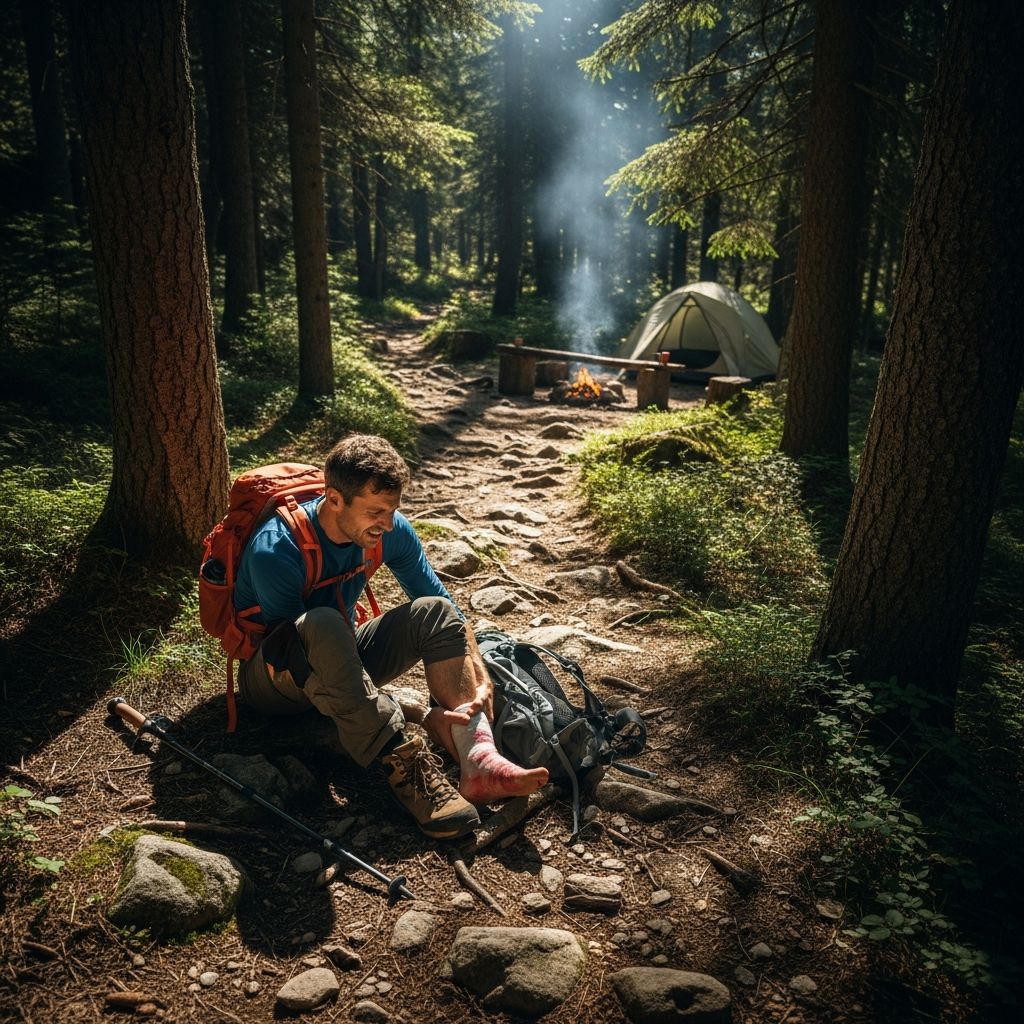
Outdoor pursuits like hiking and camping provide thrilling escapes into nature, but accidents can occur, leading to serious injuries. Understanding who may be responsible and how to pursue compensation is crucial for recovery. This article explores liability frameworks across different land types, common injury causes, and practical steps to safeguard your interests.
Navigating Liability on Various Lands
Liability for outdoor injuries hinges on land ownership and applicable statutes. Public lands, including national and state parks, often shield owners from lawsuits through recreational use laws, limiting claims unless gross negligence is proven.
Private properties follow premises liability principles, where owners must maintain reasonable safety or warn of hazards. However, many states extend immunity to non-commercial recreational access, reducing duties to inspect or warn about natural dangers.
- Federal Lands (National Parks): Claims against the government require filing under the Federal Tort Claims Act (FTCA), demanding proof of employee negligence.
- State Parks: Immunity applies to premise conditions but not employee misconduct, like improper equipment use.
- Private Trails/Campsites: Standard negligence rules apply if no recreational immunity statute exists.
Comparative negligence laws in many jurisdictions adjust compensation based on your fault percentage, such as ignoring trail warnings.
Common Hazards and Negligence Examples
Injuries often stem from uneven terrain, wildlife, weather, or equipment failures. Proving negligence requires showing the responsible party breached a duty of care.
| Hazard Type | Potential Negligence | Liability Likelihood |
|---|---|---|
| Rocky paths or roots | No warnings or maintenance | Low on public lands due to immunity |
| Steep drop-offs | Missing signs or barriers | Medium if known hazard |
| Wildlife encounters | No posted risks | Low unless willful failure |
| Defective bridges/steps | Unrepaired damage | High with proof of notice |
| Flash floods/rockslides | No timely alerts | Variable; sudden events often excused |
Landowners must address conditions they knew or should have known about. Natural features like roots rarely trigger liability on recreational lands.
Government Immunity and Special Rules
Federal properties invoke strict FTCA procedures: submit an administrative claim within two years, allowing six months for agency response before suing. State parks similarly protect against ‘defective premises’ but expose entities to claims from employee errors, such as negligent mowing near trails.
Recreational use statutes in states like New Mexico, North Carolina, and Alabama grant broad immunity for free public access, excluding profit-making ventures. No-fault medical payments in some insurance policies offer coverage without proving fault.
Private Campgrounds and Organized Outings
Commercial sites like private campgrounds or guided tours bear fuller responsibility under premises liability. Owners must fix hazards or warn adequately, and waivers may limit but not eliminate claims for gross negligence.
Summer camps owe duties to maintain safe environments, with claims easier against private owners than government entities. Tour operators could face liability for poor planning or equipment issues.
Proving Your Case: Essential Evidence
Success demands documentation. Immediately after injury:
- Photograph the scene, hazards, and injuries.
- Obtain witness statements and contacts.
- Report to rangers or authorities for official records.
- Seek medical care and retain all bills, reports, and follow-ups.
- Track lost wages, pain, and disability impacts.
Without evidence linking negligence to your harm, claims falter, especially under immunity protections.
Potential Compensation and Damages
Recoverable amounts cover medical expenses, lost income, pain, and sometimes rescue costs if a party is liable. Even partial fault allows reduced awards in comparative states.
Government claims cap damages and follow rigid timelines, emphasizing early legal consultation.
Legal Hurdles: Waivers and Immunity Limits
Waivers signed for camps or tours protect against ordinary negligence but fail against intentional or reckless acts. Immunity laws do not cover willful misconduct or commercial operations.
When to Consult a Personal Injury Attorney
Complex rules across jurisdictions warrant professional evaluation. Attorneys assess liability, gather evidence, handle filings like FTCA claims, and negotiate settlements.
Firms experienced in recreational injuries navigate immunities, proving exceptions like employee negligence.
Frequently Asked Questions
Can I sue if I slip on a natural rock while hiking in a state park?
Typically no, due to recreational immunity for natural conditions, unless negligence like missing warnings is proven.
What if a park employee’s error causes my injury?
Immunity may not apply; claims can proceed against the employee or agency for misconduct.
Do waivers prevent all claims at private campsites?
No, they don’t cover gross negligence or injuries from hidden defects.
How soon must I file a national park injury claim?
Within two years under FTCA for administrative review.
Can I get paid medical costs without suing?
Some liability policies offer no-fault coverage.
Preventing Injuries in the Outdoors
While legal options exist, prevention is ideal: check weather, follow signs, use proper gear, hike in groups, and research trails. Inform others of your plans and carry essentials like maps and first aid.
Despite precautions, accidents happen. Knowing your rights empowers informed decisions post-injury.
References
- What Are Your Rights If You’re Injured on a Hiking Trail? — The Dominguez Law Firm. 2023 (approx.). https://www.thedominguezlawfirm.com/blog/hiking-trail-injury-rights/
- Injured While Hiking? Here’s What You Should Know About Premises Liability in North Carolina — Daggett Shuler Law. 2023 (approx.). https://daggettshulerlaw.com/injured-while-hiking-heres-what-you-should-know-about-premises-liability-in-north-carolina/
- What Happens if You Are Injured While in a National Park? — Hope Law Firm. 2021-05-01. https://www.hopelawfirm.com/blog/2021/may/what-happens-if-you-are-injured-while-in-a-natio/
- Camping Injuries And Summer Camp Injuries: Who Is Liable? — Peter Ventura Law. 2023 (approx.). https://www.peterventuralaw.com/camping-injuries/
- Who’s Responsible When You’re Injured at a State Park? — Misny Law. 2023 (approx.). https://misnylaw.com/whos-responsible-when-youre-injured-at-a-state-park/
- If I Am Attacked By A Bear While Hiking, Who Is Responsible? — Nomberg Law. 2023 (approx.). https://nomberglaw.com/blog/personal-injury/attacked-by-a-bear-while-hiking-who-is-responsible-outdoor-recreational-activity-liability/
- Camping Injuries, Do You Have a Case? — D’Agostino & Associates. 2023 (approx.). https://daglawteam.com/camping-injuries-do-you-have-a-case/
Similar Articles








Read full bio of medha deb




