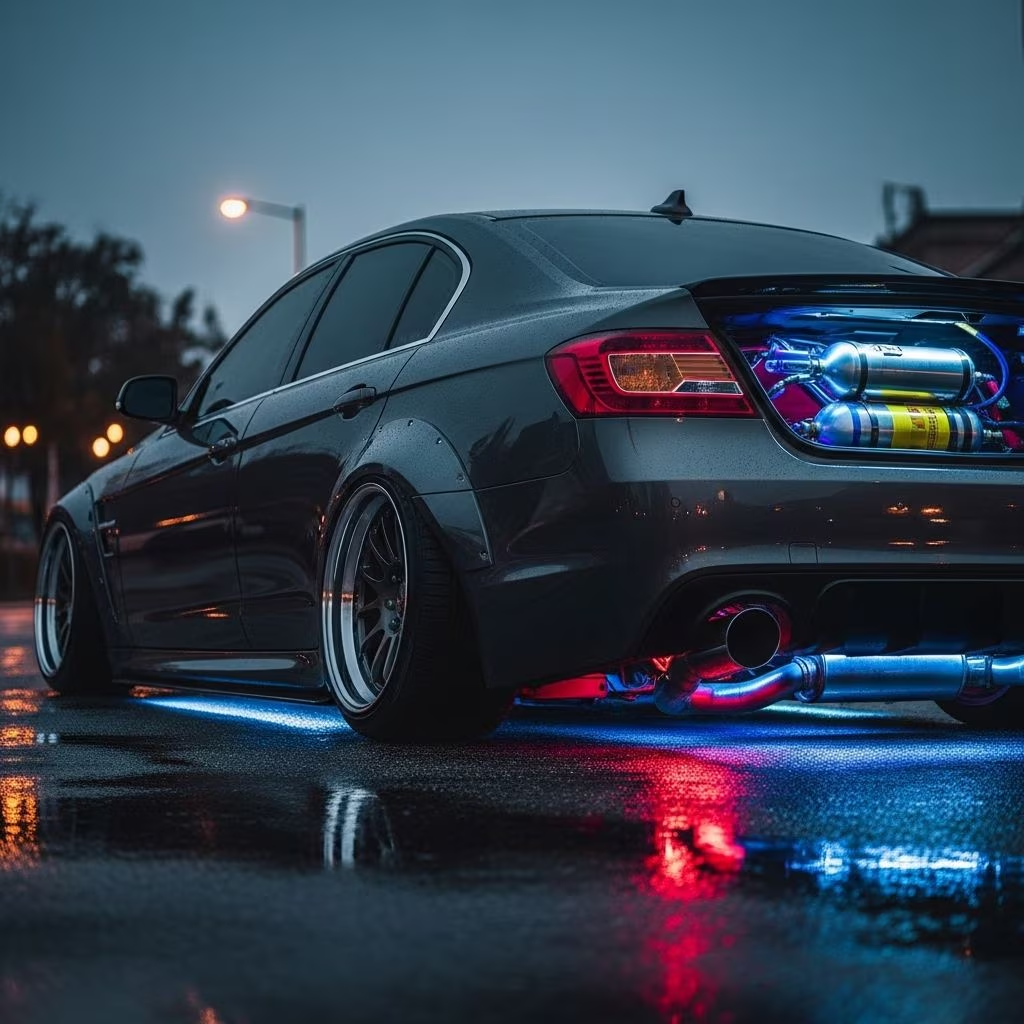
Customizing vehicles is a popular pastime for many drivers, but certain alterations cross legal boundaries. These modifications often compromise safety, visibility, or environmental standards, leading to tickets, vehicle impoundment, or even felony charges in severe cases. Understanding state-specific regulations is crucial to avoid costly mistakes.
Why Vehicle Customization Faces Legal Scrutiny
Regulations on car modifications stem from federal and state laws designed to protect public safety and the environment. The National Highway Traffic Safety Administration (NHTSA) enforces Federal Motor Vehicle Safety Standards (FMVSS) covering brakes, lights, tires, and more. States build on these with additional rules on noise, emissions, and aesthetics. Violations can void warranties, fail inspections, and increase liability in accidents.
For instance, changes that obstruct visibility or mimic emergency vehicles pose direct risks. Emissions tampering contributes to air pollution, violating the Clean Air Act. Penalties vary: fines from $100 to $5,000, license suspension, or jail time in strict states like California and New York.
Top Prohibited Lighting Modifications
Aftermarket lights frequently attract police attention due to glare, distraction, or impersonation risks.
- Underglow or Neon Underbody Lights: These glowing strips make vehicles resemble police cars, banned in states like California. They violate laws against non-emergency flashing lights.
- Overly Bright or Colored Headlights/Taillights: Non-DOT approved LED/HID bulbs or tinted lenses exceed federal brightness standards and reduce visibility for others.
- License Plate Covers or Flippers: Clear covers, sprays, or mechanisms that obscure plates aid evasion and are illegal nationwide, especially in Texas and Virginia.
In New York, even frames blocking plate details are prohibited. Fines start at $150, escalating with repeats.
Window Tinting and Visibility Obstructions
Window tint limits are strictly enforced to ensure officer visibility into vehicles.
| State | Front Side Tint Limit (VLT %) | Windshield Tint Limit | Penalties |
|---|---|---|---|
| California | 70% | 4 inches from top | $25-$197 fine, fix-it ticket |
| New Jersey | 35% | None allowed | $100-$250, possible impound |
| Texas | 25% | Light tint only | $20-$200, criminal charge possible |
| New York | 70% | Minimal | $150-$350 |
VLT (Visible Light Transmission) measures tint darkness; lower percentages mean darker tint. Hanging objects like air fresheners from mirrors also block views and are illegal in many areas. Medical exemptions exist but require documentation.
Exhaust and Emissions System Alterations
Removing or modifying exhaust components for louder sound or better performance often violates noise ordinances and federal emissions rules.
- Muffler Deletes and Straight Pipes: Massachusetts bans nearly all non-stock exhausts; California caps noise at 95 decibels.
- Catalytic Converter or DPF Removal: Known as ’emissions deletes,’ these are Clean Air Act felonies with fines up to $4,500 for first offenses.
- Rollin’ Coal Devices: Switches forcing black smoke are illegal in most states due to pollution.
Strict states like Texas and New Jersey impose massive fines; vehicles may fail smog checks, leading to registration denial.
Suspension, Height, and Handling Changes
Alterations affecting vehicle stability are targeted for rollover and control risks.
- Hydraulic or Air Suspension That Bounces: Active changes while driving are banned federally for distraction.
- Excessive Lift Kits: New Jersey limits height to 15’6″; front lift blocks are prohibited.
- Lowered Vehicles: Bumpers must maintain 16-inch ground clearance in some states.
These mods can lead to impoundment if they fail safety inspections.
Performance Enhancements with Legal Risks
Boosters promising speed often disable safety features.
- Nitrous Oxide (NOS) Systems: Street use is prohibited in most states; canisters are hazardous.
- Steering Wheel Swaps Lacking Airbags: Violates FMVSS by removing crash protection.
- Radar/Laser Jammers: Federally illegal on commercial vehicles; many states ban for private use, with confiscation and misdemeanors.
VIN tampering, like relocation or alteration, is a felony everywhere.
State-by-State Breakdown of Strictest Regulations
Laws differ significantly:
- California: No radar jammers, strict emissions, no underglow. Jail possible for emergency light mimics.
- New York: Broad bans including fuzzy dice, plate covers, height limits. Tops strictness lists.
- New Jersey: No front lifts, tint restrictions, noise focus. Fines up to thousands.
- Texas: Heavy noise penalties, plate obscurers banned.
- Arizona: Emissions and noise lead to jail.
Lenient states like Wyoming allow more freedom but still enforce FMVSS.
Consequences and Real-World Impacts
Beyond fines, illegal mods cause insurance hikes or denials, failed inspections, and accident liability. If a mod contributes to a crash, drivers face lawsuits. Fix-it tickets allow corrections, but repeats escalate to misdemeanors. Impound fees average $200/day plus towing.
Safe and Legal Customization Options
Not all changes are risky:
- Wheel upgrades within size limits.
- Body wraps or decals (non-reflective).
- Spoilers compliant with aerodynamics.
- Audio systems without vibration issues.
- Moderate tint meeting VLT rules.
Always verify with DMV codes or tools like state vehicle inspector apps.
How to Check and Correct Modifications
- Review your state’s vehicle code online.
- Schedule a pre-inspection at a certified shop.
- Remove or replace non-compliant parts.
- Keep receipts for legal upgrades.
- Get tint certification if applicable.
Consult local authorities for exemptions, like disability placards.
Frequently Asked Questions (FAQs)
Are aftermarket headlights ever legal?
Yes, if DOT-approved and match factory color/brightness. Check state beam limits.
Can I install NOS for track use only?
Storage is okay, but street activation is illegal. Remove for road driving.
What if I have a medical need for dark tint?
Many states offer waivers; submit doctor certification to DMV.
Will illegal mods void my insurance?
Possibly, especially if they cause claims. Disclose mods upfront.
How do I find my state’s exact laws?
Visit DMV website or use NHTSA’s state law summaries.
References
- Federal Motor Vehicle Safety Standards — National Highway Traffic Safety Administration. 2023-01-15. https://www.nhtsa.gov/equipment/federal-motor-vehicle-safety-standards
- Vehicle Code Section on Emissions — California Air Resources Board. 2025-06-01. https://ww2.arb.ca.gov/our-work/programs/motor-vehicle-pollution-control-programs
- Strictest States for Vehicle Modifications — Jalopnik. 2024-05-20. https://www.jalopnik.com/1956727/strictest-states-for-vehicle-modifications/
- When And Where Is It Illegal To Modify Your Car? — ConsumerShield. 2026-01-10. https://www.consumershield.com/injuries-accidents/car-accidents/is-it-illegal-modify-car
- Noise and Exhaust Regulations — Massachusetts Registry of Motor Vehicles. 2024-11-05. https://www.mass.gov/info-details/vehicle-noise-and-exhaust-regulations
- Clean Air Act Vehicle Tampering — U.S. Environmental Protection Agency. 2023-09-12. https://www.epa.gov/enforcement/basic-information-tampering-and-aftermarket-defeat-devices