
Identifying Water Damage in Pre-Owned Vehicles
Learn how to recognize flood-damaged cars before making a costly purchase decision.
Understanding the Hidden Threat of Water-Damaged Vehicles
When purchasing a pre-owned vehicle, many buyers focus on mechanical condition and mileage without considering one of the most serious issues that can affect a car’s longevity and safety: water damage from flooding. Each year, thousands of vehicles are damaged by natural disasters, storms, and flooding in various regions across the country. Despite this widespread problem, many of these compromised vehicles are sold at auctions and private sales, often making their way into markets far removed from the areas where the damage occurred. Unsuspecting buyers purchase these vehicles without realizing they’ve inherited a host of serious problems that can manifest months or even years after purchase. Understanding how to identify water-damaged vehicles is essential knowledge for anyone shopping in the used car market.
The Long-Term Consequences of Flood Exposure
Water damage in automobiles extends far beyond surface-level cosmetic issues. When a vehicle sits in flood waters—whether fresh water or salt water—the damage affects nearly every system within the car. Saltwater exposure is particularly destructive, accelerating corrosion in metal components and electrical systems. The water infiltrates hidden spaces within the vehicle’s frame, doors, and undercarriage, creating conditions for rust development that may not become visible for months or years. Additionally, moisture trapped inside the vehicle promotes mold and mildew growth on upholstery, carpeting, and within ventilation systems, creating potential health hazards for occupants. Electrical systems are severely compromised by water exposure, leading to intermittent failures, short circuits, and complete system breakdowns. The cumulative effect of these issues means that a flood-damaged vehicle, even one that appears to run initially, can become increasingly unreliable and expensive to maintain over time.
Visual Indicators Within the Vehicle Interior
The interior of a vehicle provides numerous clues about previous water exposure. Prospective buyers should conduct a thorough examination of carpeting, upholstery, and trim components to identify telltale signs of flooding.
Carpet and Floor Coverings
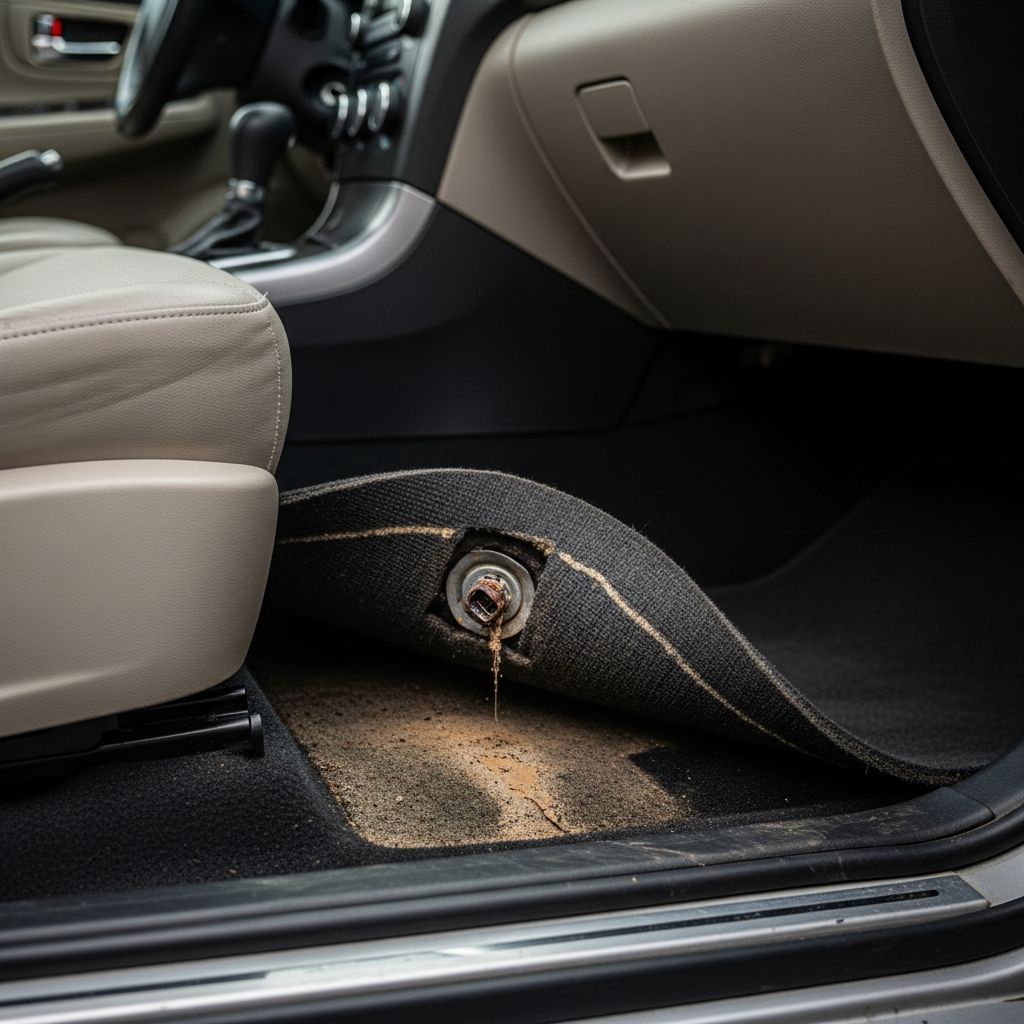
Floor carpeting is one of the most revealing indicators of water damage. Inspect the carpet for persistent water stains, discoloration, and mildew odors. Look particularly at the driver’s side floor mat area and the center console region, as these spots typically absorb and retain water. A water stain line that extends three or more inches up the center console or door panels strongly suggests the vehicle was submerged. Additionally, examine the carpet under the seats and check whether the carpet appears unusually new compared to other interior elements. In older vehicles, brand-new carpeting without a corresponding reason for replacement is suspicious. Feel the carpet for moisture or residual dampness, and lift the carpet edges to inspect the underlying floor pan for signs of rust or corrosion.
Upholstery and Seat Components
Water stains on seats and seat backs indicate previous water exposure. Check seat mounting screws to determine if they’ve been recently removed and reinstalled. When vehicles are dried out after flooding, professional restoration often requires removing and replacing seats and carpeting, necessitating the removal of these fasteners. Evidence of fresh scratches or paint marks around screw heads suggests recent work. Additionally, inspect seatbelts for water stains, fading, and discoloration that may indicate previous saturation.
Rust Development Patterns and Location
Rust formation is a critical indicator of water exposure, but not all rust is equally significant. The location and pattern of rust development can reveal whether a vehicle experienced flooding.
Unexpected Rust in Protected Areas
Rust appearing in unusual locations—such as on strut towers, seat frames, or door drip channels—indicates deep water exposure. Normally, these areas remain relatively protected from rust development. The presence of rust in these hidden or protected zones suggests the vehicle was submerged sufficiently to allow water to penetrate areas that typically wouldn’t contact moisture through normal driving conditions. Similarly, examine the underside of the vehicle for rust on the floor pan, particularly in the middle section of the car where the lowest points would accumulate standing water.
Brake System Corrosion
The brake system is particularly vulnerable to water damage. Inspect brake rotors, calipers, and brake hose connections for rust accumulation. Brown, flaky discoloration on the wheel hub and spindle components suggests extended water exposure. While some surface rust on rotors is normal, extensive corrosion indicates the vehicle sat in water for an extended period. Rust on internal brake components raises serious safety concerns about braking reliability and performance.
Electrical System Vulnerabilities and Malfunctions
Water and electricity are fundamentally incompatible, making electrical system failures one of the most serious consequences of flooding.
Immediate and Delayed Electrical Problems
Flood-damaged vehicles may exhibit electrical problems immediately or develop them gradually as corrosion spreads across wiring connections and components. Test all electrical systems during a test drive: windshield wipers, air conditioning, power windows, power seats, turn signals, and dashboard lighting. Note any intermittent operation, such as wipers that work sporadically or lights that flicker. A Check Engine light that illuminates during the test drive, particularly one that appears and disappears inconsistently, may indicate water-related electrical issues. Listen for unusual clicking sounds that might suggest electrical problems. If a vehicle demonstrates multiple electrical problems, water damage should be strongly suspected.
Lighting System Examination
Check inside headlights and taillights for water, condensation, or visible water lines. Waterlogged lighting assemblies indicate the vehicle was submerged enough for water to enter these sealed units. A clear, dry lens should show no evidence of internal moisture. Visible water lines or condensation pooling inside these lights is an immediate red flag for flood damage.
Engine Compartment and Underbody Assessment
The engine compartment and undercarriage require careful inspection to reveal hidden damage.
Debris and Sediment Accumulation
Look in tight crevices and difficult-to-access areas within the engine bay for dried mud, silt, and debris. Areas behind wiring harnesses, near the starter motor, and around the power steering pump are often overlooked during cleaning. A waterline mark around the engine compartment or evidence of mud residue in these protected spaces indicates the engine bay was submerged. Examine rubber drain plugs located under the vehicle and at the base of doors—if these appear to have been recently removed or if you notice fresh scratches around them, they may have been opened to drain floodwater.
Fluid Condition Analysis
Check the engine oil for a milky or frothy appearance, which indicates water has mixed into the oil. Normal engine oil should be translucent and uniformly colored. Water contamination compromises the lubricating properties of oil and indicates water penetrated the engine. Additionally, inspect the engine air filter by opening the air filter housing. The filter element, typically made from cardboard and paper materials, should be dry and intact. A soggy, deformed, or textured air filter suggests water entered the engine’s intake system.
Odor Detection and Mold Indicators
A musty, moldy, or unpleasant odor inside the vehicle is a significant warning sign of previous water exposure and mold growth. Even if a seller has attempted to mask odors through air fresheners or cleaning, prospective buyers should spend time inside the vehicle with windows closed to detect underlying smells. Pay particular attention to odors when you first open the car doors, as this initial smell often reveals problems that subsequent ventilation may mask. Mold and mildew can cause respiratory issues and allergic reactions for vehicle occupants, adding to the concerns raised by water damage.
Trunk and Hidden Storage Areas
The trunk provides important evidence of flood exposure that sellers may overlook. Look for water and debris accumulation in the trunk, particularly under the spare tire well. A waterline visible underneath the spare tire is a definitive indicator of submersion. Check for mud, sand, or salt residue, which are common in flood-affected vehicles. Inspect the trunk carpeting for stains and discoloration consistent with water damage observed elsewhere in the vehicle.
Documentation and Title Considerations
Beyond physical inspection, researching a vehicle’s history provides valuable information. Vehicles that have experienced significant flood damage are typically issued salvage titles or branded titles (depending on state regulations) by insurance companies and state authorities. Check the vehicle’s title status and history report using resources like the National Highway Traffic Safety Administration database. A title marked as salvage or flood indicates the vehicle was previously declared a total loss by an insurance company. However, be aware that some flood-damaged vehicles slip through the system and are sold with clean titles, particularly when sold across state lines or through private sales. This makes physical inspection essential regardless of what documentation suggests.
Professional Inspection Value
While visual inspection provides valuable information, a professional pre-purchase inspection by a qualified mechanic offers the most comprehensive assessment. A professional can identify damage that untrained buyers might miss, including corroded electrical connectors deep within the vehicle, water damage to the transmission and differential, suspension component deterioration, and internal engine damage. The cost of a pre-purchase inspection—typically between $100 and $300—is minimal compared to the expense of repairing or replacing a flood-damaged vehicle.
Comparison: Normal Wear vs. Flood Damage Indicators
| Vehicle Condition | Normal Wear Pattern | Flood Damage Indicator |
|---|---|---|
| Rust Presence | Scattered surface rust on exposed exterior areas | Rust in protected areas like door frames, strut towers, brake components |
| Interior Carpet Condition | Normal wear patterns matching vehicle age | Waterline stains, musty odor, brand-new carpet on older vehicle |
| Electrical Function | Consistent operation of all systems | Intermittent failures, multiple systems malfunctioning |
| Engine Oil | Clear to translucent, uniform color | Milky, frothy, or cloudy appearance |
| Odor | Neutral or typical automotive smell | Persistent musty or moldy smell |
Frequently Asked Questions
Q: Can a flood-damaged car ever be completely restored?
A: While some flood damage can be repaired, the extent of restoration depends on the severity of water exposure and the vehicle’s age. Electrical system problems often persist despite repairs, and hidden corrosion may cause ongoing reliability issues. Most experts recommend avoiding flood-damaged vehicles entirely, as the long-term costs of repairs and potential safety issues outweigh any savings on the purchase price.
Q: What should I do if I discover flood damage after purchasing a vehicle?
A: Document all evidence of water damage with photographs and written descriptions. If the vehicle was sold by a dealer, check your state’s lemon law provisions and consumer protection statutes. For private sales, consult with an attorney about potential remedies. Some states require dealers to disclose known water damage, and undisclosed flood damage may violate these regulations.
Q: Are all flood-damaged vehicles given salvage titles?
A: Most insurance companies issue salvage or flood titles for vehicles deemed total losses, but some flood-damaged vehicles are repaired and resold with clean titles. This is particularly true for vehicles sold across state lines or through private transactions. Physical inspection remains your best protection regardless of title status.
Q: How can I verify a vehicle’s history for flood damage?
A: Use vehicle history reports from services like Carfax or AutoCheck, which document title brands and previous insurance claims. Check with your state’s Department of Motor Vehicles for title information. However, these resources may not capture all flood-damaged vehicles, so physical inspection is essential.
Q: Is it worth paying for a pre-purchase inspection?
A: Yes, a professional inspection costs $100-$300 but can save thousands in repair costs and prevent safety issues. Mechanics can detect water damage that casual inspection misses and provide documentation for negotiating prices or walking away from problematic purchases.
References
- Beware a Flood of Flooded Cars — Consumer Reports. 2024. https://www.consumerreports.org/cars/buying-a-car/beware-a-flood-of-flooded-cars-a1195019046/
- Flood-Damaged Cars: How to Spot and Avoid Them — Kelley Blue Book (KBB). 2024. https://www.kbb.com/car-advice/avoid-flood-damaged-cars/
- How to Look for Signs of Flood Damage in Used Cars — AAA Via. 2025. https://mwg.aaa.com/via/car/car-buying-tips-flood-damage-signs
Similar Articles








Read full bio of medha deb




