
Ice Bucket Challenge Risks: Injuries and Legal Ramifications
Uncover the hidden dangers of the viral Ice Bucket Challenge, from traumatic brain injuries to legal liabilities when fun turns into lawsuits.
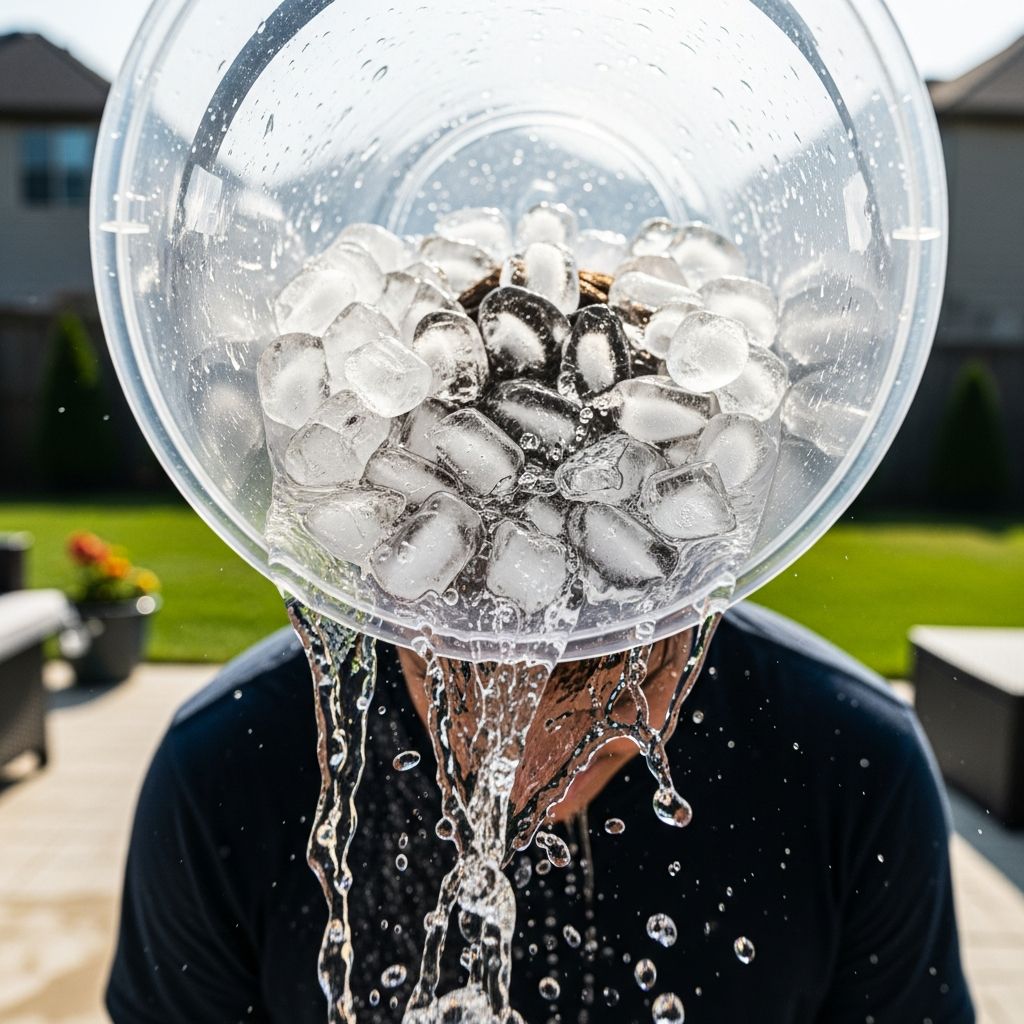
The Ice Bucket Challenge exploded in popularity in 2014 as a creative way to spotlight amyotrophic lateral sclerosis (ALS), encouraging participants to douse themselves with ice water or donate funds. While it generated over $115 million for ALS research, the frenzy also spawned numerous injuries, ranging from minor slips to life-altering brain damage. This article delves into the mechanics of these accidents, documented medical cases, preventive strategies, and the legal pathways available to those harmed during such activities.
Understanding the Mechanics of Ice Bucket Mishaps
At its core, the challenge involves hoisting a heavy container filled with ice and water—often 5 gallons or more—above a person’s head and pouring it out. A full bucket can weigh 40-50 pounds, creating significant potential for harm if mishandled. Common scenarios include buckets slipping from elevated positions like decks or ladders, or pourers losing grip and hurling the entire container downward.
Participants below often close their eyes or look away, heightening vulnerability to unexpected impacts. The cold shock can trigger involuntary reflexes, such as the mammalian diving response, where facial immersion in icy water prompts bradycardia (slowed heart rate) and blood pressure spikes. For healthy individuals, this is typically benign, but it poses grave risks for those with pre-existing conditions like hypertension.
- Slips and Falls: Wet surfaces turn slick instantly, leading to tumbles on concrete, grass, or indoor floors.
- Impact Trauma: Dropped buckets strike heads, shoulders, or spines with blunt force.
- Cold-Induced Shock: Sudden hypothermia or reflex responses exacerbate underlying health issues.
Documented Cases of Serious Harm
Real-world incidents underscore the challenge’s perils. In one peer-reviewed medical report, a 67-year-old woman with uncontrolled hypertension suffered a basal ganglia intracerebral hemorrhage just minutes after ice water was poured over her head. The cold stimulus likely activated her diving reflex, surging her blood pressure and rupturing a vessel. She presented with acute left-sided weakness and speech difficulties, highlighting how even ‘successful’ completions can trigger catastrophes.
Traumatic brain injuries (TBIs) represent another major category. Videos circulating online captured buckets plummeting from heights onto participants’ heads, including children struck by oversized trash cans. The U.S. Centers for Disease Control and Prevention (CDC) reports that TBIs affect 2.5 million people annually, with 5.3 million living with lifelong disabilities. A bucket’s impact mimics a ‘bump, blow, or jolt’ to the head, disrupting brain function despite the absence of visible wounds.
Other injuries include concussions, fractures, and electrocution risks near power sources. At least one death was indirectly linked, stemming from unrelated falls during participation, while variations like jumping into ice baths have proven fatal. Physicians have cautioned about vagal responses in those on blood pressure meds, potentially causing fainting.
Types of Injuries and Their Long-Term Effects
Injuries from the Ice Bucket Challenge span a spectrum, from acute to chronic. Here’s a breakdown:
| Injury Type | Description | Potential Consequences |
|---|---|---|
| Traumatic Brain Injury (TBI) | Direct head impact from falling buckets | Memory loss, dizziness, cognitive deficits; 795,000 acquired annually |
| Intracerebral Hemorrhage | Blood vessel rupture from pressure surge | Paralysis, speech impairment; linked to diving reflex |
| Fractures and Sprains | Falls on slippery surfaces | Broken bones, ligament tears requiring surgery |
| Hypothermia/Shock | Prolonged ice exposure | Cardiac arrhythmias, especially in vulnerable groups |
Many injuries evade immediate detection. Head trauma symptoms—headaches, confusion, nausea—may emerge hours later. Even if victims feel ‘fine,’ delayed effects like vision problems or chronic pain can surface, emphasizing the need for medical evaluation.
Who Bears Responsibility? Legal Perspectives
When injuries occur, questions of liability arise. Pourers, organizers, or property owners may be held accountable under negligence laws. To pursue a personal injury claim, plaintiffs must prove:
- Duty of Care: The pourer owed a reasonable standard of safety to the participant.
- Breach: Failure to secure the bucket or warn of risks.
- Causation: Direct link between action and harm.
- Damages: Medical bills, lost wages, pain and suffering.
Assumption of risk serves as a defense; participants knowingly engage in a ‘risky’ activity. However, excessive negligence—like using unstable elevated platforms—can override this. Minors injured by adults strengthen claims, as guardians hold heightened duties. Successful lawsuits have yielded settlements for medical costs and emotional distress, though many cases settle out of court to avoid publicity.
Safety Guidelines to Prevent Accidents
Participation needn’t end in emergency rooms. Implement these protocols:
- Use lightweight buckets partially filled to reduce weight.
- Employ multiple people for lifting and pouring from safe heights (no higher than 6 feet).
- Choose soft landing surfaces like grass; avoid concrete or near electrical outlets.
- Screen for health risks: Skip if hypertensive, elderly, or post-stroke.
- Film responsibly without encouraging reckless stunts.
Parents should supervise children closely, opting for gentler versions like sponge baths. Post-challenge, monitor for 24-48 hours for TBI signs: drowsiness, vomiting, or behavioral changes.
Broader Implications for Viral Social Media Trends
The Ice Bucket Challenge exemplifies how viral fads amplify both good and ill. It democratized fundraising but normalized danger for likes and shares. Platforms now face scrutiny for hosting hazardous content, with algorithms sometimes prioritizing spectacle over safety. Future trends—like the Tide Pod Challenge—echo this pattern, prompting calls for content moderation and risk disclosures.
Legislators have proposed ‘social media safety’ bills, holding sites liable for foreseeable harms. Meanwhile, ALS research benefited immensely, proving noble ends don’t justify reckless means. Participants today reference these lessons, blending awareness with caution.
Frequently Asked Questions (FAQs)
Can the Ice Bucket Challenge cause brain damage?
Yes, dropped buckets can deliver TBI-equivalent blows, leading to concussions or worse, even without loss of consciousness.
Is it safe for people with high blood pressure?
No—cold shock may trigger hypertensive surges and strokes via the diving reflex.
What if I’m injured during someone else’s challenge?
Consult a personal injury attorney to assess negligence claims for compensation.
How can I participate safely?
Lighten loads, use teams, soft surfaces, and medical screenings as outlined above.
Has anyone died from the challenge?
Indirect deaths from falls occurred; variations like ice plunges have been fatal.
This phenomenon teaches that virality carries weight—literally and figuratively. Balance enthusiasm with prudence to honor causes without courting calamity.
References
- The Dangers Of The Ice Bucket Challenge — The Schafer Law Office. 2023. https://mikeschaferlaw.com/library/the-dangers-of-the-ice-bucket-challenge/
- Diving into the Ice Bucket Challenge — PMC – NIH (Peer-reviewed). 2015-07-29. https://pmc.ncbi.nlm.nih.gov/articles/PMC4530418/
- Ice Bucket Brain Injury? — Dr. Nicole Beurkens (citing CDC). 2014. https://www.drbeurkens.com/ice-bucket-brain-injury/
- Ice Bucket Challenge — Wikipedia (summarizing medical reports). 2024. https://en.wikipedia.org/wiki/Ice_Bucket_Challenge
Similar Articles








Read full bio of medha deb




