
Hotel Liability for Guest Property Theft
Uncover the legal responsibilities of hotels when guests' belongings are stolen, including negligence standards and recovery options.
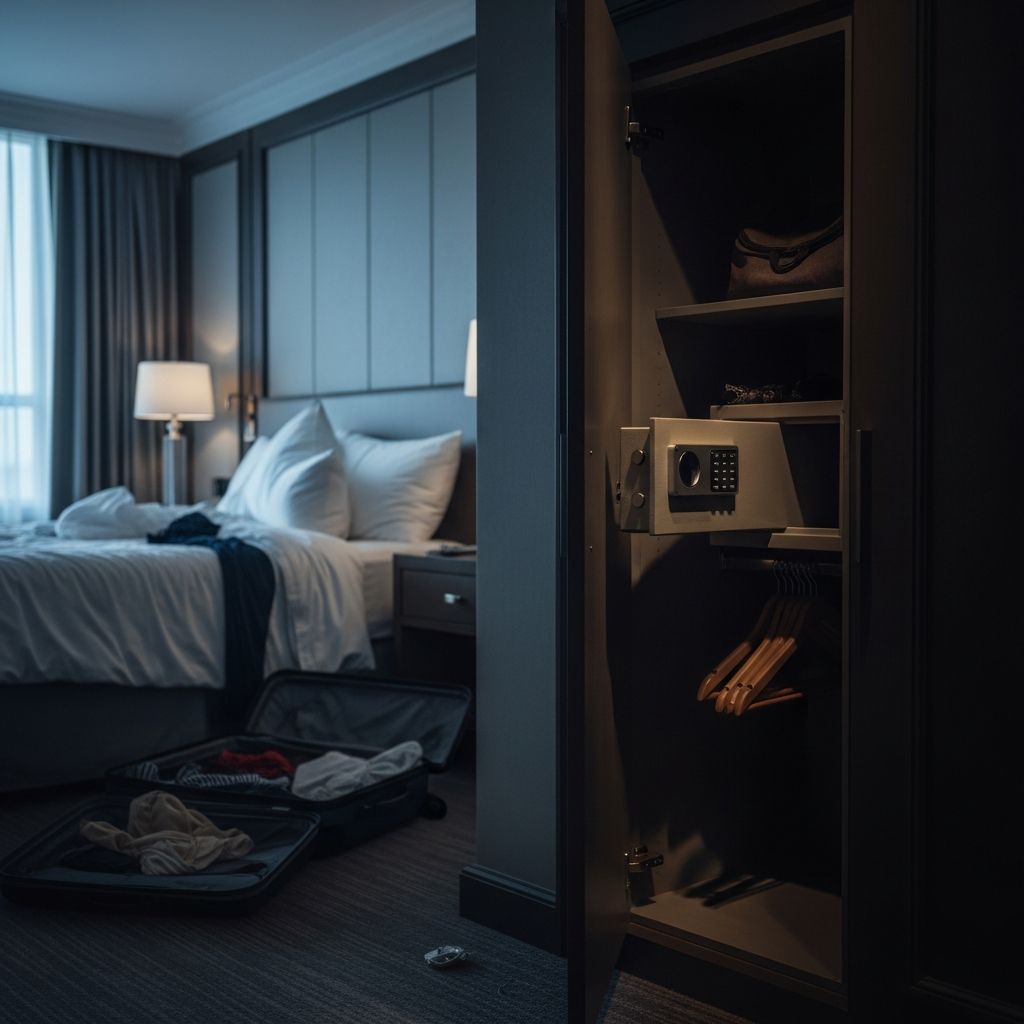
Hotels serve as temporary homes for travelers, entrusted with the safety of both guests and their possessions. When theft occurs, questions arise about the establishment’s responsibility. This article delves into the legal framework governing
hotel liability
for stolen property, drawing from established doctrines like innkeeper’s liability and modern negligence standards.Understanding Innkeeper’s Liability in the Modern Era
Historically, innkeepers faced strict liability for guest property losses, akin to an absolute insurer. Today, statutes in many jurisdictions limit this exposure, shifting focus to proof of negligence. For instance, hotels must maintain reasonable security measures, but recovery is often capped unless specific protocols are followed.
Key elements of this liability include:
- Duty of Care: Hotels owe guests a heightened duty due to the transient nature of stays, extending to property protection.
- Limitations: Many states impose monetary caps, such as $1,000 for valuables without prior inventory declaration.
- Exceptions: Liability persists for losses from hotel negligence, defective premises, or employee misconduct.
This evolution balances guest protection with practical business considerations, requiring clear communication of policies via notices in rooms or at check-in.
Establishing Negligence: The Core of Successful Claims
To hold a hotel accountable, guests must demonstrate negligence through four prongs: duty owed, breach of that duty, causation, and damages. As a paying guest, you inherently trigger the hotel’s duty to secure premises and property.
Common breaches include inadequate lighting, broken locks, or insufficient surveillance in high-risk areas. Evidence is crucial:
- Security camera footage showing unauthorized access.
- Witness statements from staff or other guests.
- Maintenance records revealing ignored repair requests.
- Incident reports filed immediately upon discovery.
Courts assess whether the hotel adhered to industry standards, such as key card systems or on-site security personnel. Failure in these areas directly links the breach to the theft.
Staff Theft: When Trusted Employees Betray Guests
Theft by hotel employees represents a profound breach of trust. Under vicarious liability, hotels can be responsible for staff actions within the scope of employment, provided proper hiring and supervision occurred.
However, if the act is deemed an independent criminal offense—unrelated to job duties—the hotel may escape liability unless negligent in hiring (e.g., overlooking a criminal background). Guests should report suspicions promptly, as internal investigations often yield footage or confessions.
| Scenario | Hotel Liability Likely? | Key Factors |
|---|---|---|
| Maid steals from room during cleaning | Yes | Within scope of duties; respondeat superior applies. |
| Employee with known theft history hired | Yes | Negligent hiring proven. |
| Off-duty staff member steals | No | Outside employment scope. |
| Valuables left in laundry service | Partial | Liable for service-related items, not incidentals. |
Property Not in Guest Custody: Special Considerations
When items are entrusted to hotel services like safes or laundry, liability standards shift. For safes, hotels act as bailees, liable only for gross negligence. Casualty losses (e.g., fire) may absolve them under common law exceptions like acts of God.
Guests retaining personal control (e.g., valuables in a pocketed jacket) do not fully discharge hotel responsibility if negligence contributes to loss. Commercial goods or vehicles may invoke separate rules, often requiring declaration.
State Variations in Hotel Liability Laws
Laws differ significantly by jurisdiction. New York’s innkeeper statutes emphasize premises liability for thefts preventable by reasonable care. Florida caps recovery at modest sums absent inventory lists. Common law remnants persist, holding innkeepers to extraordinary diligence for bailed property.
Travelers should review state-specific statutes or hotel contracts upon arrival. Some venues post liability waivers, but these cannot override statutory duties.
Steps to Take Immediately After Discovering Theft
Swift action preserves claims:
- Secure the Scene: Avoid touching items; notify front desk instantly.
- File a Police Report: Essential for insurance and legal validation.
- Document Everything: Photos, serial numbers, receipts, room condition.
- Request Hotel Records: Incident logs, footage (within retention periods).
- Contact Insurance: Traveler’s policies often cover gaps in hotel liability.
Time limits apply—statutes of limitations typically run 1-3 years for property claims.
Pursuing Legal Remedies and Compensation
Small claims court suits many minor losses, bypassing attorney fees. Larger disputes require personal injury or premises liability attorneys specializing in hospitality law.
Potential recoveries include:
- Replacement value of stolen items.
- Emotional distress if egregious negligence.
- Punitive damages for willful misconduct (rare).
Settlement is common; hotels prefer avoiding litigation publicity.
Preventive Strategies for Savvy Travelers
Minimize risks proactively:
- Use in-room safes for valuables; declare high-value items.
- Photograph inventory upon unpacking.
- Secure travel insurance covering theft.
- Choose reputable chains with robust security.
- Avoid leaving items unattended; use door wedges or secondary locks.
Frequently Asked Questions (FAQs)
Can hotels limit their liability through posted notices?
Yes, but only up to statutory caps; they cannot disclaim negligence entirely.
Am I covered if I leave items in my car at the hotel?
Limited; hotels liable only if valet-parked or negligence proven (e.g., unlocked lot).
What if the thief is another guest?
Hotel liable if security lapses enabled access.
Does Airbnb or vacation rentals follow same rules?
No; hosts lack innkeeper status, facing standard negligence claims.
How much can I recover without proving negligence?
Often capped at $500-$1,000 per state law.
Emerging Trends and Future Protections
Technology like AI surveillance and biometric locks is reshaping security standards, potentially heightening negligence thresholds. Guest advocacy groups push for uniform federal standards amid rising tourism thefts. Staying informed empowers better choices and stronger claims.
In conclusion, while hotels bear significant responsibility, success hinges on evidence and prompt action. Travelers armed with knowledge navigate losses effectively, holding establishments accountable.
References
- Hotel Liability for Guests on Property: Your Legal Guide — MG Injury Firm. 2023. https://mginjuryfirm.com/hotel-liability-for-guests-on-property/
- How to Sue a Hotel for Negligence — Sobo Law. 2024. https://sobolaw.com/personal-injury/how-to-sue-a-hotel-for-negligence/
- A New Look at the Liability of Inn Keepers for Guest Property — Fordham Law Review. 1965-01-01. https://ir.lawnet.fordham.edu/cgi/viewcontent.cgi?article=1498&context=flr
- The Law and Liability of Hotels — Stimmel Law. 2023. https://www.stimmel-law.com/en/articles/law-and-liability-hotels
- Hotel Liability for Missing Items — Silberman Law Firm, PLLC. 2023. https://silblawfirm.com/business-law/when-things-go-missing-hotel-liability/
- Are Hotels Liable for Items Left Behind? — DeliverBack. 2024. https://deliverback.com/blog/are-hotels-liable-for-items-left-behind/
Similar Articles








Read full bio of Sneha Tete




