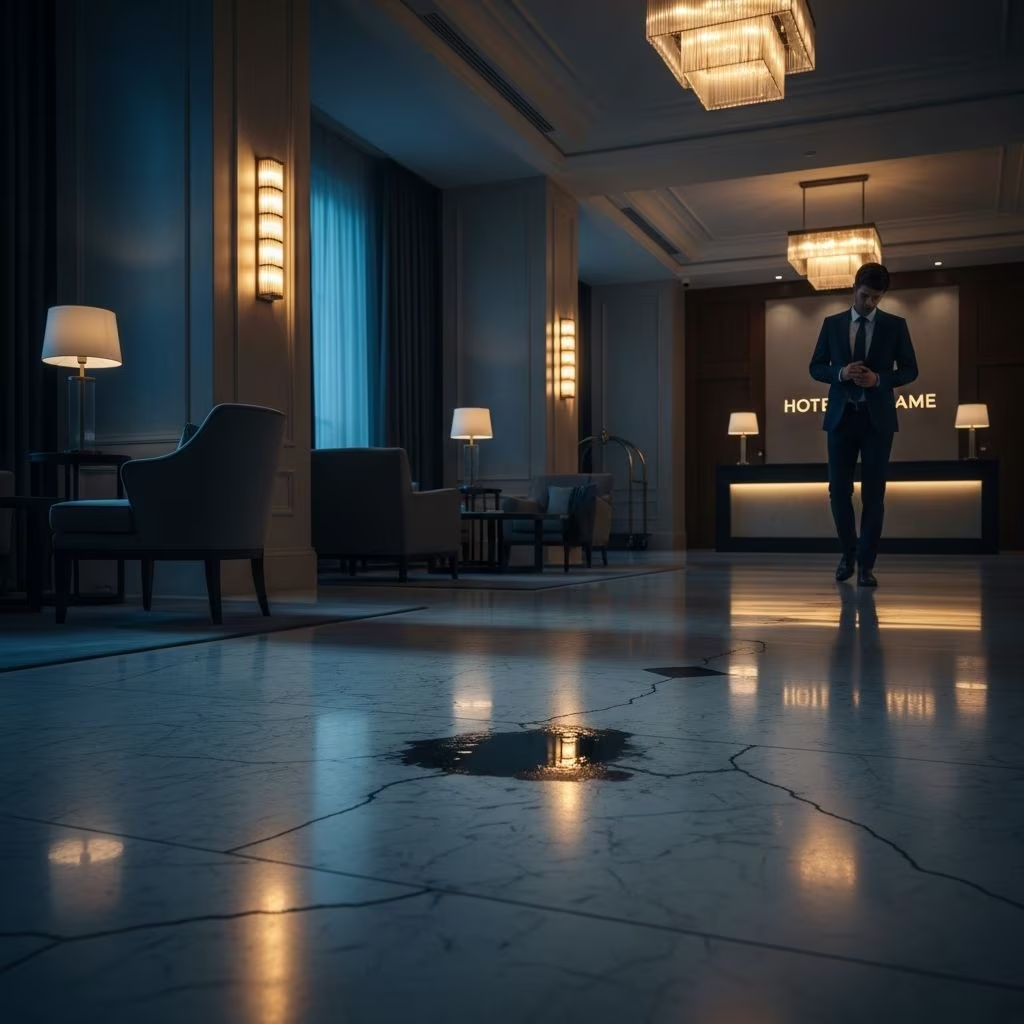
Hotels serve as temporary homes for millions of travelers each year, but when accidents occur on their premises, questions of legal responsibility arise. Under premises liability principles, hotel operators must ensure guest safety through reasonable measures. This article examines the circumstances under which hotels can be held accountable for injuries, the elements required to prove a claim, common incident types, and practical steps for pursuing justice.
The Legal Foundation of Hotel Responsibility
Premises liability law forms the backbone of hotel injury claims, requiring property owners to maintain safe conditions for invitees like paying guests. Hotels bear a heightened duty of care because guests rely on them for protection in unfamiliar surroundings. This obligation includes regular inspections, prompt hazard repairs, and adequate warnings about risks.
Negligence occurs when a hotel fails this duty, such as ignoring a spill or faulty lighting. To succeed in a claim, plaintiffs must demonstrate four key elements: duty, breach, causation, and damages. First, establish the duty—hotels universally owe guests a standard of reasonable care. Breach follows if evidence shows the hotel knew or should have known of a danger yet failed to act. Causation links the breach directly to the injury, while damages quantify losses like medical bills or pain.
Common Scenarios Triggering Hotel Accountability
Injuries at hotels often stem from preventable hazards. Here are prevalent cases where liability may apply:
- Slip-and-Fall Incidents: Wet floors without signs, uneven walkways, or loose rugs account for many claims. Hotels must clean spills promptly and inspect high-traffic areas.
- Inadequate Security: Assaults or thefts in poorly lit parking lots or unlocked areas can lead to liability if the hotel ignored prior crimes or failed to provide guards.
- Defective Equipment: Malfunctioning elevators, broken furniture, or pool barriers that fail safety checks expose hotels to suits.
- Room Hazards: Mold, pest infestations, or structural defects like crumbling balconies violate maintenance duties.
- Pool and Amenity Dangers: Unguarded hot tubs or slippery deck areas without railings pose risks, especially to families.
These scenarios highlight that liability hinges on foreseeability—hotels anticipate certain risks in hospitality settings and must mitigate them proactively.
How Duty of Care Differs by Visitor Status
Not all individuals on hotel property receive identical protection. Courts classify visitors to determine the owed duty:
| Visitor Type | Duty Owed | Examples |
|---|---|---|
| Invitees (Guests) | Highest: Inspect and warn of hidden dangers | Registered guests, diners at on-site restaurants |
| Licensees (Social Guests) | Moderate: Warn of known hazards | Friends visiting a guest |
| Trespassers | Lowest: Avoid willful harm | Unauthorized entrants |
Paying guests qualify as invitees, entitling them to the most stringent protections. Hotels must actively prevent foreseeable harms, unlike duties to casual visitors. This distinction often strengthens claims for registered occupants.
Proving Negligence: Evidence and Challenges
Building a strong case requires concrete proof. Plaintiffs should document the scene immediately: photograph hazards, obtain witness statements, and retain medical records. Surveillance footage from hotel cameras proves invaluable, as does maintenance logs showing ignored complaints.
Hotels often defend by claiming comparative negligence, arguing the guest contributed to the injury (e.g., ignoring a warning sign). Many states apply modified comparative fault, barring recovery if plaintiff fault exceeds 50% or reducing awards proportionally. For instance, if a guest is 30% at fault, compensation drops by that amount.
Statutes of limitations add urgency—typically 1-3 years from the incident, varying by state. Prompt action preserves evidence and meets deadlines.
Employee Actions and Vicarious Liability
Hotels face responsibility for staff misconduct under vicarious liability when acts occur within employment scope. A housekeeper ignoring a spill or a valet causing a crash implicates the employer, even without direct oversight. However, intentional crimes by rogue employees may not qualify unless the hotel enabled them through poor hiring.
Background checks and training mitigate risks. Failure to screen violent histories can compound liability in assault cases.
Potential Compensation in Hotel Injury Claims
Successful claimants recover economic and non-economic damages:
- Medical Expenses: Bills, therapy, surgeries, medications.
- Lost Income: Wages from missed work, reduced earning capacity.
- Pain and Suffering: Physical discomfort, emotional distress.
- Other Costs: Transportation, home modifications, punitive damages for gross negligence.
Awards vary widely; minor slips might yield thousands, while severe spinal injuries secure millions. Factors include injury permanence, life impact, and jurisdiction caps.
Navigating Claims: Steps After an Injury
- Seek Medical Care: Prioritize health; records support claims.
- Report Incident: Notify management in writing, request incident report.
- Gather Evidence: Photos, videos, contacts.
- Avoid Statements: Limit discussions with insurers; they seek low settlements.
- Consult Attorney: Experts evaluate viability, negotiate, litigate.
Insurance adjusters contact quickly, offering quick but undervalued payouts. Legal representation maximizes recovery, often on contingency—no win, no fee.
Frequently Asked Questions
Can hotels be sued for injuries in common areas like lobbies?
Yes, high-traffic zones demand rigorous maintenance; negligence there often leads to liability.
What if I was partially at fault for the accident?
Comparative negligence rules may reduce but not eliminate compensation in most states.
Does hotel liability cover off-site shuttles?
Potentially, if operated by the hotel under vicarious liability.
How long after injury can I file a claim?
State statutes vary (1-3 years); check local laws promptly.
Are chains liable for franchise-owned properties?
Depends on franchise agreement; corporate oversight may extend responsibility.
Regulatory Compliance and Prevention
Hotels must adhere to federal (OSHA), state, and local codes on fire safety, accessibility, sanitation. Violations, like blocked exits or unclean pools, bolster negligence claims. Proactive measures—daily audits, staff training, signage—reduce risks and demonstrate due diligence.
In summary, while hotels aren’t insurers of absolute safety, they must prioritize guest welfare. Injured parties armed with legal knowledge stand better chances of fair redress. Always prioritize professional advice tailored to specific circumstances.
References
- When Hotels Are Legally Liable for Injuries — Isenberg & Hewitt, PC. 2023. https://isenberg-hewitt.com/when-hotels-are-legally-liable-for-injuries/
- Duty of Care: When A Hotel Is Liable for Injuries — Dobberstein Law Firm. 2024. https://dobbersteinlaw.com/duty-of-care-when-a-hotel-is-liable-for-injuries/
- Can a Hotel Be Liable in a Personal Injury Claim? — Hollis Law Firm. 2023. https://hollislawfirm.com/hotel-be-liable-in-a-personal-injury-claim/
- Can a Hotel Be Liable in a Personal Injury Claim? — AllLaw. 2024-10-15. https://www.alllaw.com/articles/nolo/personal-injury/hotel-injury-claims.html
- Hotel Liability for Guest Injuries — Cartwright Law Firm. 2022-02-01. https://www.cartwrightlaw.com/blog/2022/february/hotel-liability-for-guest-injuries-injured-on-va/
- How Does Hotel Duty of Care Vary by Guest Type? — HS Injury Firm. 2024. https://hsinjuryfirm.com/blog/how-does-hotel-duty-of-care-vary-by-guest-type/