
Holiday Shopping Hazards: Injury Prevention & Recovery
Understanding Black Friday injuries, your rights, and steps to protect yourself during peak shopping seasons.
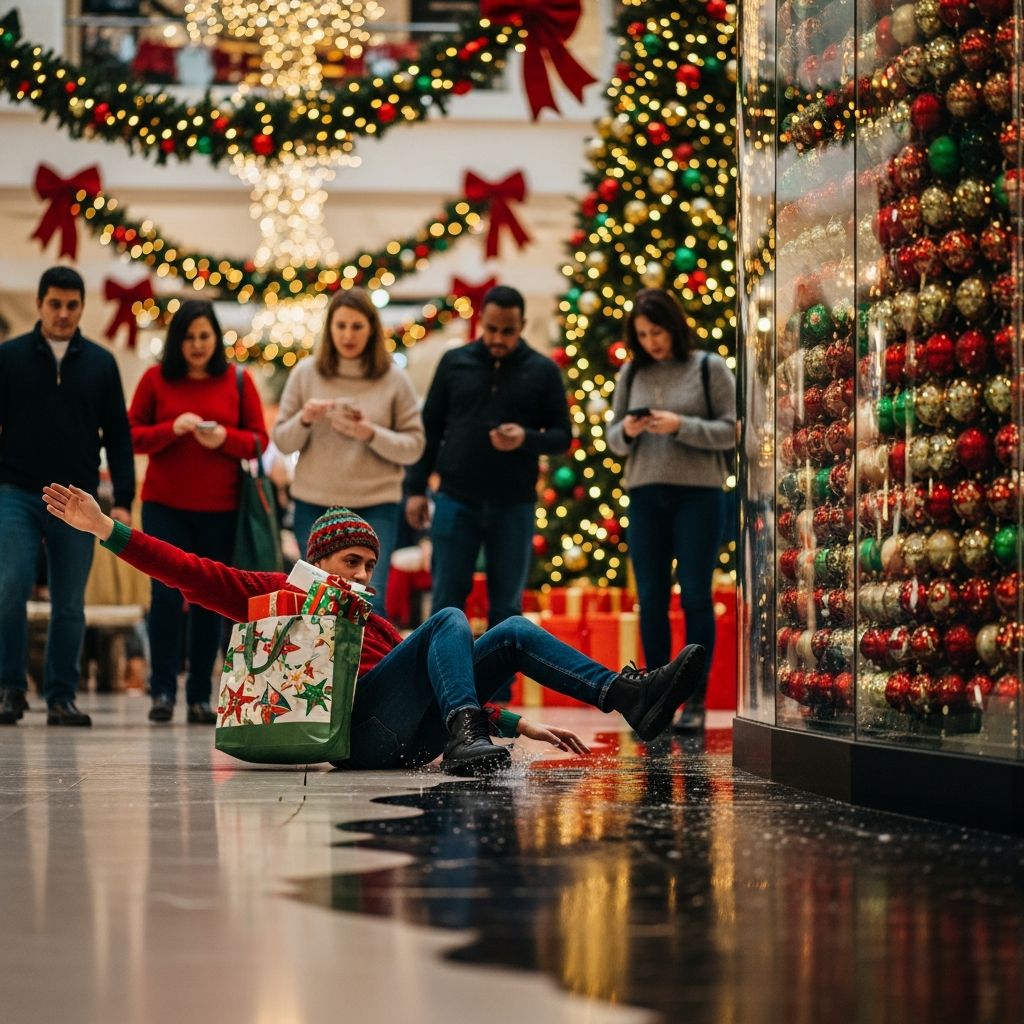
Understanding the Risks of High-Volume Shopping Events
Black Friday represents one of the most significant shopping events annually, with millions of consumers descending on retail locations to secure holiday deals. In 2024, approximately 126 million in-store shoppers participated in Black Friday weekend activities across the country. This massive influx of customers creates an environment where safety concerns escalate dramatically. The combination of crowded spaces, heightened urgency, inadequate store staffing, and minimal oversight creates a perfect storm for accidents and injuries. Understanding these risks is essential for both consumers and retailers who bear responsibility for maintaining safe shopping environments.
The Primary Categories of Holiday Shopping Injuries
Structural Fractures and Bone Damage
Among the most severe consequences of overcrowded shopping environments are broken bones and fractures. When thousands of shoppers navigate narrow aisles simultaneously, the potential for slip-and-fall accidents increases exponentially. The physical chaos can result in collisions between shoppers, forcing individuals to the ground with considerable force. Fractures commonly occur in the wrists, ankles, ribs, and legs when shoppers attempt to catch themselves during falls or are knocked down by other customers. The aftermath of bone injuries extends beyond the immediate pain—recovery often requires extended medical treatment, physical therapy, and prolonged absence from work. Elderly shoppers and those with pre-existing mobility issues face particularly elevated risks of sustaining serious fractures during these peak shopping periods.
Facial and Oral Trauma
The aggressive nature of holiday shopping can lead to significant facial injuries with long-term cosmetic and functional consequences. Broken noses, fractured cheekbones, and dental trauma frequently result from falls or being struck by other shoppers or merchandise. Cracked or knocked-out teeth require immediate dental intervention and can necessitate costly cosmetic restoration procedures. Lacerations to the face and head from contact with sharp objects, shopping cart edges, or pointed merchandise create additional complications. Unlike internal injuries that may heal without visible reminders, facial injuries often leave permanent scarring or require surgical intervention to restore normal appearance. These injuries can profoundly impact an individual’s self-confidence and quality of life, particularly when cosmetic procedures become necessary.
Traumatic Brain Injuries and Concussions
The jostling and shoving characteristic of crowded shopping events create conditions ripe for serious head trauma. When shoppers fall or are struck forcefully, the brain can shift or twist within the skull, resulting in concussions or more severe traumatic brain injuries. Falling merchandise, toppling display shelves, and heavy products represent additional hazards that can strike shoppers unexpectedly. Being kicked while lying on the ground or struck by shopping carts compounds the risk of head injuries. Concussions produce temporary disruptions in normal brain function, manifesting as confusion, memory problems, dizziness, and sensitivity to light and sound. More severe brain injuries can result in permanent cognitive changes, altered personality, chronic headaches, and long-term disability. The cumulative effects of multiple head impacts during a single shopping incident can escalate injury severity considerably.
Muscle, Ligament, and Connective Tissue Injuries
Soft tissue injuries represent a particularly insidious category of holiday shopping wounds because they frequently remain undetectable in the immediate aftermath of an incident. Bruises, sprains, strains, and whiplash develop gradually as inflammation increases over hours or days. During the immediate period following an injury, adrenaline and shock may mask the pain entirely, leading injured shoppers to believe they escaped unharmed. As swelling develops and inflammation progresses, pain intensifies substantially. These injuries affect muscles, ligaments, and tendons throughout the body, with neck and shoulder injuries being particularly common when shoppers are struck or pulled during crowded shopping chaos. Chronic pain can persist for weeks or months following the initial incident, significantly impacting daily functioning and work capacity.
Spinal Column and Back Injuries
The lower back bears enormous strain during holiday shopping, particularly when enthusiastic shoppers attempt to lift heavy merchandise without proper technique. Individuals often rely solely on adrenaline and enthusiasm rather than employing safe lifting practices, resulting in herniated discs, nerve damage, and vertebral misalignment. Herniated discs occur when the soft interior material of spinal discs ruptures through the outer layer, pressing against nerves and causing radiating pain throughout the lower body. Damaged nerves can produce numbness, tingling, and loss of sensation in the legs and feet. Falls and vehicle accidents during Black Friday shopping intensify spinal injuries dramatically. Severe spinal trauma can result in vertebral fractures or spinal cord damage sufficient to produce permanent loss of motor function or sensation below the injury site, potentially resulting in partial or complete paralysis. Recovery from serious back injuries often requires extensive rehabilitation and may result in permanent lifestyle modifications.
Environmental and Situational Risk Factors
Parking Area Hazards
Injuries frequently occur before shoppers even enter retail establishments. Parking lots on Black Friday transform into chaotic environments where vehicles circle endlessly seeking limited spaces. Pedestrian-vehicle accidents increase substantially as drivers prioritize finding parking over exercising caution around foot traffic. Winter weather conditions common to the Black Friday season create additional complications—snow and ice render parking surfaces slippery, and inadequate de-icing efforts by store management contribute to slip-and-fall accidents. Rushed shoppers navigate icy surfaces while carrying packages, creating unstable conditions that frequently result in serious falls. Additionally, aggressive competition for parking spaces occasionally escalates into confrontations between drivers, creating dangerous situations for nearby pedestrians.
Entrance Crowd Surges
The moment retail doors open on Black Friday frequently triggers dangerous crowd surges. Hundreds or thousands of shoppers converge simultaneously, creating crushing pressure as people attempt to enter narrow entranceways. This phenomenon has historically resulted in serious injuries and fatalities. The stampede mentality transforms ordinary shoppers into an uncontrollable mob where individual safety becomes secondary to accessing deals. People positioned near the front doors experience crushing pressure from behind, and those who fall risk being trampled by the forward momentum of the crowd. The psychological effect of perceived scarcity and time-limited deals intensifies these dangerous behaviors.
Hazardous Store Conditions
Retail environments on Black Friday operate with skeleton crews attempting to manage enormous customer volumes. Store maintenance suffers as employees focus on customer transactions rather than facility upkeep. Wet floors from melted snow and increased foot traffic go unmopped for extended periods. Merchandise spills from beverages and food products create slipping hazards that remain unaddressed. Poorly secured display structures tip over unexpectedly, and carelessly restocked shelves contain items positioned to fall when shoppers brush past them. Heavy boxes placed at heights where they can strike unsuspecting shoppers below represent serious fall hazards. Store management frequently fails to maintain adequate warning signs for hazardous conditions or deploy sufficient staff to monitor and remediate dangers.
Shopping Cart-Related Incidents
Shopping carts themselves become weapons during crowded shopping events. Heavy carts can strike shoppers, and improperly loaded carts tip over, spilling heavy merchandise onto people nearby. Shoppers using carts aggressively to navigate crowded aisles inadvertently injure others. The Centers for Disease Control identifies shopping cart injuries as a significant public health concern, with children particularly vulnerable to cart-related incidents. However, adult shoppers also sustain serious injuries from cart collisions, crushing injuries from falling carts, and lacerations from cart edges. Overcrowded conditions amplify these risks substantially.
Establishing Retailer Liability for Shopping Injuries
Retail establishments bear legal responsibility for maintaining reasonably safe shopping environments for their customers. To establish that a retailer bears liability for injuries sustained during shopping, specific elements must be demonstrated. First, evidence must establish that the store owner knew or should have known about a dangerous condition existing on the premises. Second, documentation must show that the store owner failed to conduct regular inspections of the facility or provided inadequate maintenance to address identified hazards. Third, it must be established that the shopper would not have been injured absent the dangerous condition. Fourth, a direct causal relationship must exist between the specific hazardous condition and the injury sustained. Finally, evidence of actual damages—medical expenses, lost wages, pain and suffering—must be presented. When retailers permit dangerous conditions to persist despite knowledge or reasonable awareness, they may be held financially accountable for resulting injuries.
Immediate Actions Following a Shopping Injury
Emergency Response Protocols
If you sustain a serious injury while shopping during Black Friday, your first priority must be obtaining appropriate medical care. For life-threatening emergencies, request that nearby individuals call emergency services immediately rather than attempting to leave the store or minimize the injury. Do not move if you suspect spinal injuries, serious head trauma, or fractures. Notify store management about the incident immediately, providing clear descriptions of what occurred and how the injury resulted from store conditions or other shoppers’ actions. Request that store employees document the incident in writing, creating an official record. If you experience a minor injury, seek medical evaluation promptly even if symptoms seem manageable initially—soft tissue injuries and internal injuries frequently worsen over time.
Documentation and Evidence Collection
Gather evidence at the injury scene before leaving the store. Photograph the specific location where the injury occurred, capturing hazardous conditions, poorly secured merchandise, wet floors, or other contributing factors. Take photographs of your injuries if they are visible. Collect contact information from witnesses who observed the incident—these individuals become critical in establishing what actually occurred. Obtain the store manager’s name and contact information, along with any incident report numbers or documentation the store creates. Retain all receipts, shopping records, and time-stamped information proving your presence in the store. This documentation becomes invaluable when pursuing injury claims.
Medical Documentation
Obtain comprehensive medical records documenting all injuries and treatments. Emergency department reports, imaging studies, physician notes, and diagnoses all contribute to establishing the nature and extent of your injuries. Preserve records of all medical expenses, including emergency care, specialist consultations, medications, physical therapy, and follow-up appointments. Document lost wages if injuries prevent you from working. Keep detailed records of pain levels, functional limitations, and how injuries impact daily activities. This medical documentation forms the foundation for calculating appropriate compensation.
Legal Remedies and Compensation Considerations
Injured shoppers may pursue legal action against retailers whose negligence contributed to their injuries. Successfully established negligence claims entitle injured parties to compensation for medical expenses—both current bills and reasonably anticipated future costs. Lost wages for time unable to work are recoverable. If injuries result in diminished earning capacity or long-term disability, compensation can address the difference between pre-injury and post-injury earning potential. Pain and suffering damages compensate for physical discomfort, emotional distress, and trauma. Cosmetic surgery expenses for facial injuries and reconstruction procedures may be covered. By holding retailers financially accountable for injuries resulting from negligent conditions, individual lawsuits also create incentives for retailers to implement stronger safety measures, potentially preventing future incidents.
Prevention Strategies for Safe Holiday Shopping
Personal Preparation
Reduce personal injury risk by avoiding peak shopping hours when crowds are most chaotic. Shop during mid-morning or mid-afternoon weekdays rather than early morning or evening peak times. Wear sturdy footwear with good traction to minimize slip-and-fall risks. Avoid carrying excessive packages that impair balance or vision. Remain alert to your surroundings rather than focusing exclusively on merchandise. Avoid confrontations with other shoppers, even when competition for items becomes intense.
Parking Lot Safety
Park in well-lit, visible areas with security presence when possible. Walk directly from your vehicle to the store entrance rather than wandering through parking areas. Be especially cautious when weather conditions create slippery surfaces. Allow extra time for navigation and movement to avoid rushing, which increases accident risk. Use designated walkways and crossings rather than cutting through traffic lanes.
In-Store Safety
Move deliberately through crowded aisles rather than rushing. Stay alert for falling merchandise, wet floors, and tripping hazards. Avoid reaching for items on high shelves where products may be unstable. Report hazardous conditions to store staff immediately. Use shopping carts properly to avoid tipping. Maintain a safe distance from other shoppers and avoid physical contact.
Frequently Asked Questions About Holiday Shopping Injuries
Q: What should I do if I slip and fall in a store during Black Friday?
A: Immediately notify store management of the incident. If injuries are significant, request emergency medical services. Collect contact information from witnesses, photograph the hazardous condition if possible, and document the incident details. Seek medical evaluation promptly and preserve all medical records and receipts for potential legal claims.
Q: Can I sue a retailer if I’m injured during a Black Friday stampede?
A: Potentially, yes. If the retailer failed to implement crowd control measures, did not hire adequate security personnel, or inadequately managed store capacity, legal liability may exist. You must establish that the retailer’s negligence directly caused your injuries and that you sustained quantifiable damages requiring compensation.
Q: How long do I have to file a personal injury claim?
A: Statutes of limitations vary by jurisdiction but typically range from two to four years from the date of injury. Contact an attorney promptly to ensure your claim is filed within applicable deadlines. Delayed action may result in forfeiting your right to pursue compensation.
Q: What compensation can I receive for a Black Friday injury?
A: Compensation may include medical expenses, lost wages, diminished earning capacity, pain and suffering, cosmetic surgery costs, and ongoing rehabilitation expenses. The amount depends on injury severity, documented damages, and the retailer’s degree of negligence or intentional misconduct.
Q: Should I accept a settlement offer from the retailer’s insurance?
A: Consult with a personal injury attorney before accepting any settlement. Initial offers frequently underestimate legitimate damages. An attorney can evaluate whether proposed settlements adequately compensate for all current and future injury-related expenses and losses.
References
- Top 5 Black Friday Injuries — Kibbey Wagner Law. Accessed April 2026. https://kibbeylaw.com/blog/top-5-black-friday-injuries/
- Most Common Black Friday Shopping Injuries — Phillips Law Firm (Justice For You). Accessed April 2026. https://www.justiceforyou.com/blog/most-common-black-friday-shopping-injuries/
- Common Black Friday Shopping Injuries and What You Can Do About Them — Camili & Capo, PA. Accessed April 2026. https://www.camililaw.com/blog/common-black-friday-shopping-injuries-and-what-you-can-do-about-them/
- Black Friday Shopping Injuries — Andres, Berger & Tran. Accessed April 2026. https://www.andresbergertran.com/blog/black-friday-injuries/
- Black Friday Injuries: How to Avoid Them — ER Injury Attorneys. Accessed April 2026. https://erinjuryattorneys.com/how-to-avoid-black-friday-injuries/
- Shopping Cart Related Injuries in Children — Nationwide Children’s Hospital. Accessed April 2026. https://www.nationwidechildrens.org/
- 6 Dangers of Black Friday Shopping and How to Avoid Them — Pisanchyn Law Firm. Accessed April 2026. https://pisanchynlawfirm.com/times-leader/blackfriday/
Similar Articles








Read full bio of Sneha Tete




