
Holiday Decor Liability: Risks and Legal Protections
Discover your legal responsibilities for holiday decorations and how to avoid liability for injuries caused by festive setups at home or business.
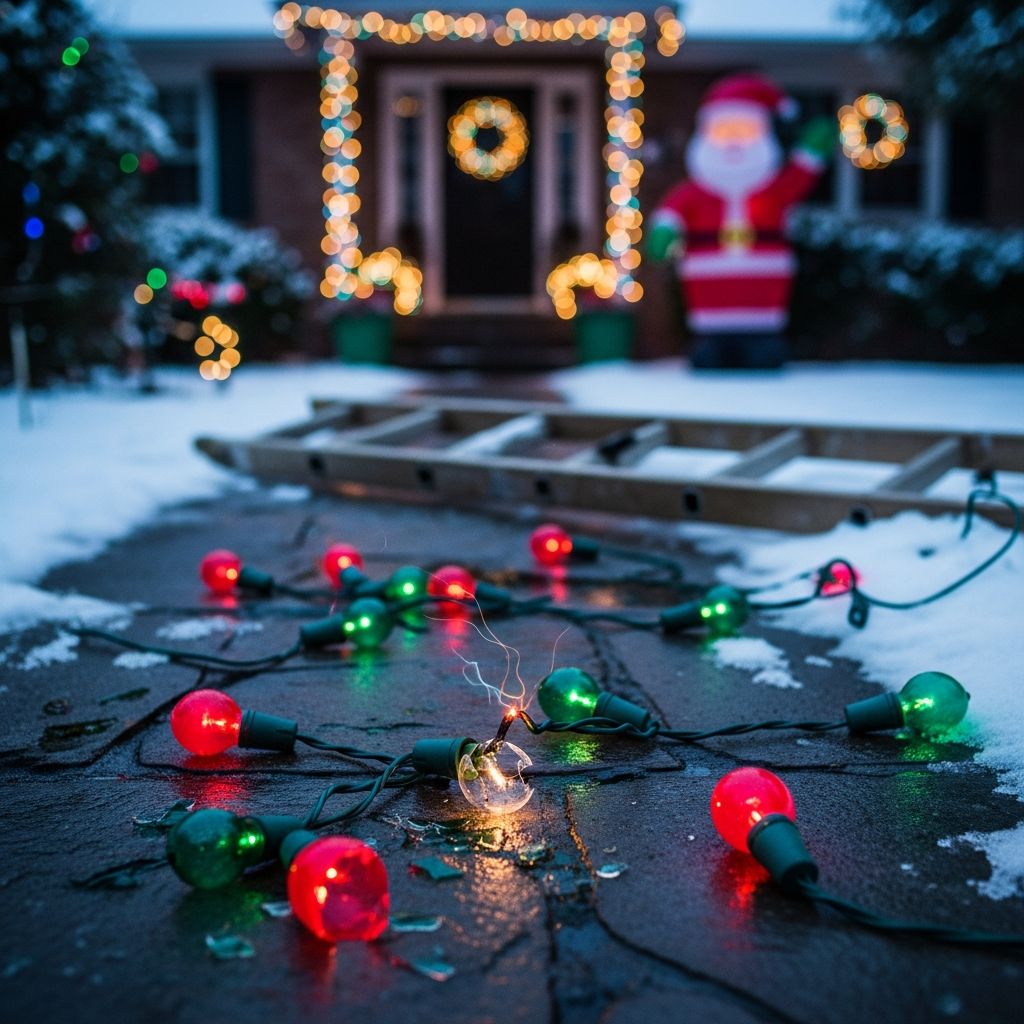
Setting up festive displays brings joy during holidays, but they can also create hidden dangers leading to injuries and legal claims. Property owners face potential liability under negligence and premises liability laws if decorations cause harm to visitors, guests, or passersby.
Understanding Legal Responsibilities for Festive Displays
Property owners, including homeowners, renters, and business operators, owe a
duty of care
to keep premises reasonably safe. This extends to temporary holiday setups like lights, inflatables, and garlands. Failure to address foreseeable risks can result in lawsuits for medical bills, lost income, and pain.Negligence occurs when someone breaches this duty, directly causing injury. For instance, unsecured overhead lights or unlit yard ornaments may trip pedestrians, establishing grounds for claims if harm follows.
Common Hazards Posed by Holiday Ornaments and Lights
Holiday setups often involve electrical components, climbing ladders, and cluttered walkways, amplifying accident risks. Key dangers include:
- Electrical faults: Overloaded circuits or frayed cords spark fires or shocks.
- Trip obstacles: Extension cords, loose tinsel, or lawn figures block paths.
- Falling objects: Poorly anchored wreaths or trees topple on guests.
- Ladder mishaps: Slips during installation cause fractures or concussions.
- Sharp elements: Broken ornaments lead to lacerations.
These issues affect homes, stores, and apartments, where common areas must remain hazard-free.
Premises Liability: Who Bears Responsibility?
**Premises liability** holds owners accountable for unsafe conditions they knew or should have known about. Guests at parties, delivery personnel, or neighbors qualify as invitees or licensees deserving protection.
| Party Involved | Potential Liability | Examples |
|---|---|---|
| Homeowners | High for private events | Unsecured garland on stairs causes elderly fall. |
| Businesses | Strict duty in public spaces | Dimly lit storefront inflatables trip shoppers. |
| Landlords | Common areas only | Unsafe hallway lights spark fire. |
| Event Hosts | Full control over venue | Overloaded outlets at parties. |
Landlords escape blame for tenant-specific decor inside units but must monitor shared spaces.
Product Defects in Festive Gear: Manufacturer Accountability
Not all risks stem from installation; faulty products trigger
product liability
claims. Defects fall into design flaws, manufacturing errors, or inadequate warnings.To succeed, injured parties prove: defect existence, proper use, direct causation, and damages like burns from overheating bulbs or falls from unstable inflatables.
- Retailer or maker pays if warnings were missing on high-voltage items.
- Preserve defective goods as evidence; report to authorities like CPSC.
Steps to Safeguard Against Claims
Proactive measures minimize lawsuits. Follow these guidelines:
- Inspect regularly: Check cords, anchors, and stability daily.
- Follow codes: Adhere to electrical limits and building standards.
- Illuminate paths: Add lights to reveal obstacles.
- Secure items: Weigh down luminaries; tie off hanging decor.
- Weather-proof: Remove or brace setups in storms.
- Use certified products: Choose UL-listed lights; avoid recalls.
Insurance like homeowners’ policies often covers claims, but exclusions apply to gross negligence.
Building a Strong Injury Claim
If hurt, act swiftly:
- Seek medical help; document all treatment.
- Photograph hazards, injuries, and scenes.
- Gather witness accounts and reports.
- Notify owners/manufacturers in writing.
- Consult attorneys experienced in these cases.
Statutes of limitations vary by state—typically 1-3 years—so file promptly.
Frequently Asked Questions
Can I sue a neighbor for decorations on their sidewalk?
Yes, if negligence like unlit obstacles caused your trip-and-fall under premises liability.
Does renters’ insurance cover decor-related suits?
Often yes for liability, but verify policy limits and exclusions.
What if a defective light starts a fire?
Pursue product liability against the maker; document defect and damages.
Are businesses more liable than homes?
Yes, due to higher invitee traffic and stricter duties.
How to prove causation in decor claims?
Link defect/condition directly to injury via photos, experts, and timelines.
State Variations in Holiday Safety Laws
Laws differ: California emphasizes premises duties rigorously, while Pennsylvania focuses on common-law negligence. Always check local codes for electrical and display rules.
In summary, festive cheer demands caution. By prioritizing safety, owners avoid costly litigation while enjoying the season.
References
- Personal Liability From Holiday Decorations: What You Need to Know — Oglaw.com. 2023. https://oglaw.com/blog/personal-liability-from-holiday-decorations/
- Are Defective Lights or Decorations Grounds for a Lawsuit? — Bullock Legal Group. 2025-12. https://www.bullocklegalgroup.com/blog/2025/december/holiday-decor-injuries-are-defective-lights-or-d/
- Holiday Decorations & Trip Injuries — Harker Injury Law. N.D. https://www.harkerinjurylaw.com/legal-guidance/holiday-decorations-trip-injuries/
- Premises Liability in Holiday Decor Accidents — LTKE Law. 2023-12. https://www.ltke.com/blog/2023/12/premises-liability-in-holiday-decor-accidents/
- Liability for Holiday Decorations and Outdoor Hazards — Dressler Law. N.D. https://www.dresslerlaw.com/our-blog/item/87-liability-for-holiday-decorations-and-outdoor-hazards.html?lang=en
- How to File a Claim for Defective Holiday Decorations — Drake Law Group. N.D. https://www.drakelawgroup.com/post/how-to-file-a-claim-for-defective-holiday-decorations
Similar Articles








Read full bio of Sneha Tete




