
Hiring Secret Shoppers: Legal Essentials
Master the legal requirements for hiring secret shoppers to boost customer service without compliance risks.
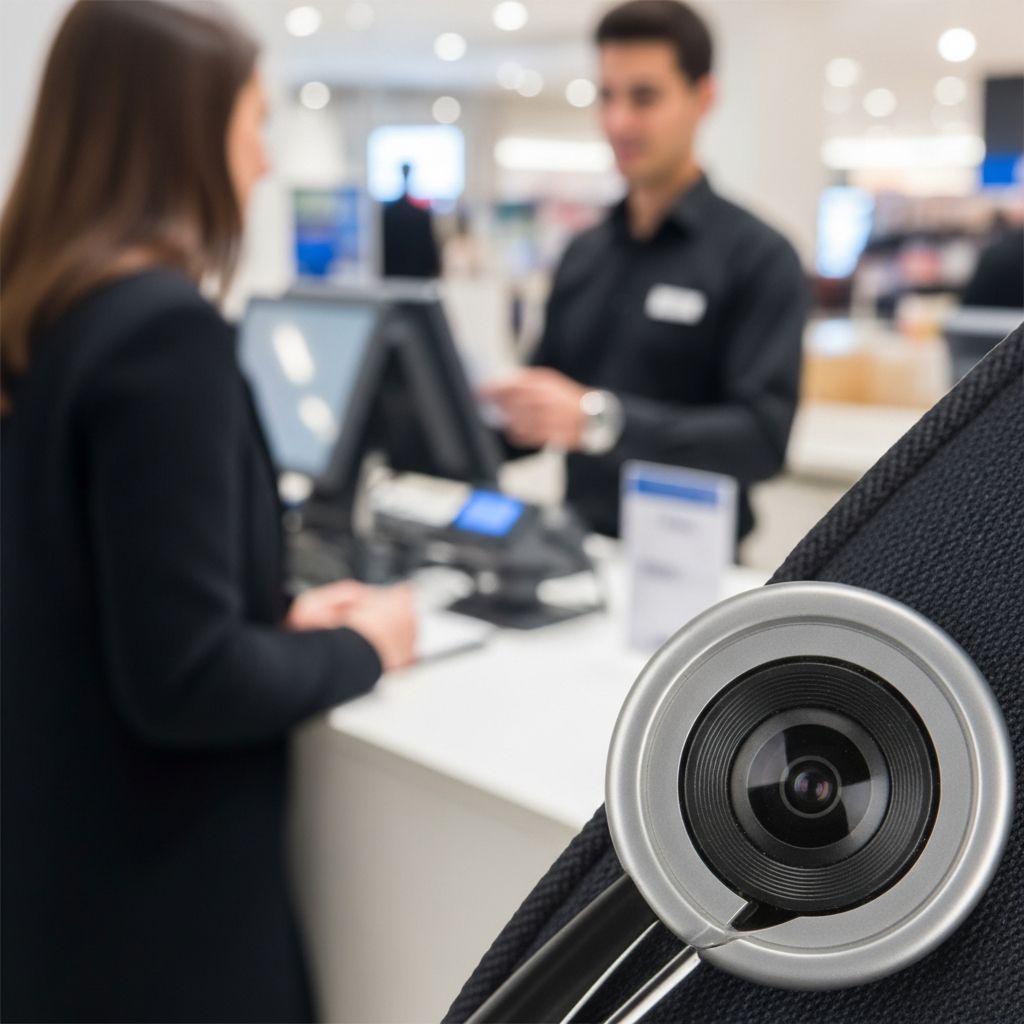
Secret shoppers, also known as mystery shoppers, provide businesses with unbiased feedback on customer service, compliance, and operational standards. Properly hiring them requires navigating privacy laws, employment classifications, and contractual protections to avoid legal pitfalls while maximizing value.
Understanding the Role and Benefits of Secret Shoppers
These evaluators pose as regular customers to assess staff interactions, store cleanliness, product knowledge, and adherence to protocols. In retail, hospitality, and convenience stores, they help identify training gaps and ensure compliance with sales restrictions on age-limited items like alcohol or tobacco.
Businesses gain actionable insights: unbiased evaluations reveal true customer experiences, preventing negative reviews and legal issues from non-compliance. Regular audits maintain brand consistency across locations and motivate employees through performance awareness.
Key Legal Frameworks Governing Mystery Evaluations
Compliance starts with recognizing core regulations. Privacy laws prohibit unauthorized data collection, while labor rules dictate contractor status. Fair reporting prevents defamation risks, and data security safeguards sensitive findings.
Privacy Protections for Customers and Staff
Shoppers must avoid capturing personal details of other patrons or recording private talks without permission. Focus evaluations on observable service behaviors using checklists. Businesses should inform employees generally about quality monitoring without specifying methods to preserve authenticity.
In jurisdictions with strict rules, like those under GDPR equivalents or U.S. state laws, consent is mandatory for any recordings. Best practice: Limit devices to text notes unless local statutes and business policies permit otherwise.
Employment Classification: Contractors vs. Employees
Most secret shoppers operate as independent contractors, handling their own taxes without benefits eligibility. Misclassification can trigger penalties; define roles clearly in agreements covering payment, duties, and independence.
Use written contracts outlining no supervision, flexible schedules, and self-provided tools to reinforce contractor status.
Selecting Reliable Secret Shopping Providers
Opt for established agencies with trained evaluators to ensure accurate, detailed reports. Reputable firms equip shoppers with protocols for tracking specifics like greetings, ID checks, and policy adherence.
Verify provider credentials: Check references, training programs, and compliance history. Avoid friends or acquaintances for objectivity; professionals deliver mature, sensible observations.
| Criteria | Why It Matters | Verification Steps |
|---|---|---|
| Reputation | Ensures training and reliability | Reviews, client testimonials |
| Training | Objective reporting skills | Request program details |
| Compliance Expertise | Legal adherence | Policy documents |
| Customization | Tailored to business needs | Sample reports |
Essential Contracts and Agreements
Non-disclosure agreements (NDAs) protect proprietary info like processes or competitor intel. Specify confidential elements, duration, and remedies for breaches; retain signed copies.
Independent contractor agreements detail scope, payment (often per assignment), reporting timelines, and dispute resolution. Include clauses for accurate, factual reporting to mitigate liability.
Background Checks and Vetting
For roles involving sensitive areas, conduct criminal checks compliant with anti-discrimination laws. Verify certifications like Healthcare Mystery Shopper or Retail Audit Professional via issuers.
- Confirm ID and qualifications directly.
- Administer NDAs during onboarding.
- Ensure discretion to represent brand positively.
Conducting Evaluations Compliantly
Design shops around objective metrics: Did staff request ID for restricted sales? Inspect validity? Refuse invalid ones?. Schedule across shifts for comprehensive coverage.
For compliance checks, use shoppers appearing underage to test protocols without deception beyond the role. Train on factual documentation: ‘No greeting within 30 seconds’ over subjective judgments.
Handling Reports and Employee Actions
Review findings holistically; avoid rash decisions like terminations based solely on one report, as this risks legal claims. Use data for training: Address patterns with group sessions or coaching.
Share anonymized insights team-wide to foster improvement without targeting individuals. Celebrate progress to sustain motivation.
Risks and How to Mitigate Them
Common pitfalls include privacy breaches, misclassification lawsuits, and inaccurate reports leading to wrongful actions. Mitigate with legal counsel review of agreements and processes.
- Privacy: No unauthorized recordings.
- Classification: Clear contractor terms.
- Bias: Objective standards only.
- Scams: Legitimate jobs never require upfront payments.
Industry-Specific Considerations
In convenience stores, focus on age-restricted sales compliance to preempt regulatory stings. Healthcare demands HIPAA-like privacy; banking requires financial regs training. Franchises ensure guideline adherence across sites.
Customize checklists: Upselling ethics, accurate info provision, ethical practices.
Frequently Asked Questions
Do employees need notice of secret shopping?
General quality monitoring disclosure suffices; specifics undermine effectiveness.
Can I fire staff based on a single report?
No—corroborate with training or multiple evals to avoid disputes.
What if recordings are needed?
Only with legal permission and consent; prefer notes.
How do I avoid contractor misclassification?
Use detailed agreements emphasizing independence.
Are background checks required?
Recommended for sensitive roles, done lawfully.
Implementing a Successful Program
Start small: Pilot with key locations, refine based on results. Integrate with training cycles for continuous improvement. Track ROI via service scores and compliance rates.
Long-term: Build internal capabilities or partner with agencies for scalability. Regular audits yield sustained customer satisfaction and risk reduction.
References
- The Legal Side of Mystery Shopping: Understanding the Rules and Regulations — Scout Insights. 2025-01. https://scoutinsights.com.au/2025/01/the-legal-side-of-mystery-shopping-understanding-the-rules-and-regulations/
- Secret Shopper Hiring Guide: Recruit Top Talent Fast — ZipRecruiter. Accessed 2026. https://www.ziprecruiter.com/hiring/how-to-hire/secret-shopper
- Prepare for Compliance Checks with Your Own Secret Shoppers — Ready Convenience. Accessed 2026. https://www.readyconvenience.com/articles/compliance-checks-convenience-stores/
- How To Effectively & Legally Implement Secret Shoppers To Improve Company Customer Service — CBS Minnesota. Accessed 2026. https://www.cbsnews.com/minnesota/news/how-to-effectively-legally-implement-secret-shoppers-to-improve-company-customer-service/
- Mystery Shopping & Compliance: Protecting your Business — Service Evaluation. Accessed 2026. https://serviceevaluation.com/blog/mystery-shopping-and-compliance-protecting-your-business/
- How to Hire Mystery Shoppers for Your Business — Workstream. Accessed 2026. https://www.workstream.us/hire/retail-mystery-shopper.html
- Mystery Shopping Scams — Federal Trade Commission (consumer.ftc.gov). Accessed 2026. https://consumer.ftc.gov/articles/mystery-shopping-scams
Similar Articles








Read full bio of medha deb




