
5 Signs You’re Not Efficient At Work And How To Fix Them Now
Discover subtle indicators that your work habits are undermining efficiency and real progress in your professional life.
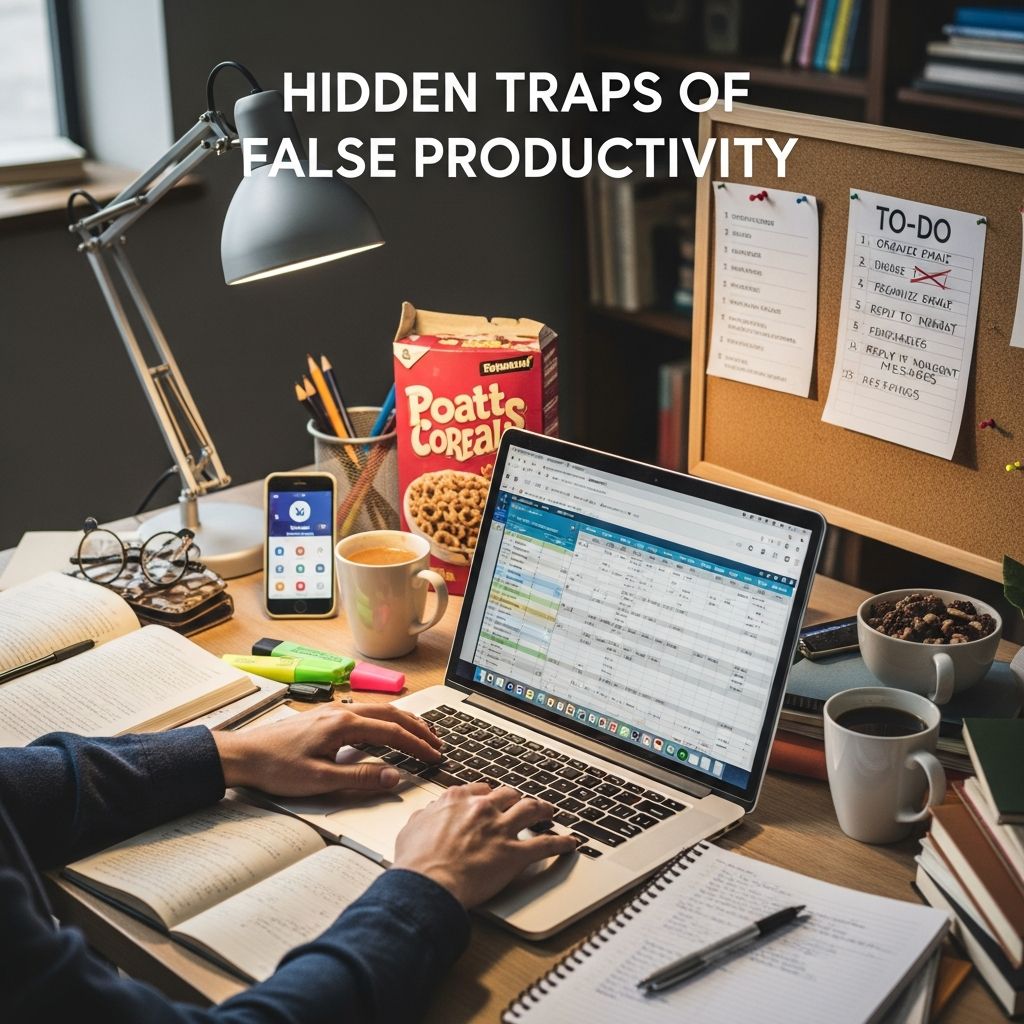
Many professionals believe they are highly efficient, yet subtle behaviors often reveal otherwise. Recognizing these patterns is the first step toward genuine improvement and sustainable success in demanding careers.
Why Self-Perceived Efficiency Often Misleads
Confidence in one’s productivity can be a double-edged sword. While it fuels motivation, overconfidence blinds individuals to inefficiencies that erode long-term performance. Studies from organizational psychology highlight how cognitive biases, such as the Dunning-Kruger effect, lead high performers to undervalue their strengths and strugglers to overestimate theirs. In professional settings, this manifests as unchecked habits that prioritize busyness over impact.
Leaders and employees alike fall into these traps, mistaking motion for progress. For instance, constant activity without strategic focus results in burnout rather than breakthroughs. Addressing this requires honest self-assessment and external feedback, transforming perceived productivity into measurable results.
Indicator 1: Endless Task Overload Without Completion
One clear marker of misguided efficiency is juggling too many tasks simultaneously, leading to perpetual incompletion. Professionals often pride themselves on multitasking, but research shows it reduces output by up to 40% due to context-switching costs. Instead of finishing high-priority items, they start new ones, creating a backlog that fosters stress.
- Daily Check: Review your task list at day’s end—if fewer than 3-5 major items are fully resolved, overload is likely the culprit.
- Root Cause: Poor prioritization stems from fearing ‘no’ or underestimating task complexity.
- Fix Strategy: Adopt the Eisenhower Matrix to categorize tasks by urgency and importance, delegating or eliminating the rest.
This habit not only hampers personal output but also impacts team dynamics, as unfinished work cascades delays. High achievers break this cycle by focusing on completion rates over initiation counts.
Indicator 2: Neglecting Feedback Loops
Another red flag is avoiding or ignoring performance input from colleagues and superiors. Those who think they’re efficient often dismiss constructive criticism as nitpicking, missing opportunities for refinement. According to former Microsoft HR VP Chris Williams, consistent negative or absent feedback signals underlying issues, such as missed deadlines or quality shortfalls.
| Feedback Type | What It Reveals | Actionable Response |
|---|---|---|
| Direct Criticism | Specific quality/timeliness gaps | Document patterns and seek training |
| Silence from Manager | Avoidance of tough talks | Initiate 1:1 check-ins proactively |
| Peer Withdrawal | Association risks | Observe peers’ methods and collaborate |
Embracing feedback transforms vulnerabilities into strengths. Smart professionals schedule regular reviews, treating them as calibration tools rather than judgments.
Indicator 3: Over-Reliance on Low-Value Activities
Spending excessive time on minor, non-impactful duties signals inefficiency masked as diligence. This includes endless email chains, unnecessary meetings, or perfectionism on trivial matters. True efficiency allocates 80% of effort to 20% of high-leverage tasks, per Pareto Principle applications in management.
- Email Trap: Checking inbox hourly fragments focus; batch it to 3 times daily.
- Meeting Bloat: If preparation exceeds value derived, decline or shorten.
- Perfection Pitfall: Apply 80/20 rule—good enough for low-stakes items frees time for game-changers.
Tracking time via apps reveals these leaks, allowing reallocation to strategic work that drives promotions and fulfillment.
Indicator 4: Chronic Busyness Without Strategic Progress
Appearing perpetually swamped often indicates flawed processes rather than workload. Peers who advance effortlessly while you grind signal a need for better systems. Williams notes that if tasks consume nights and weekends unlike colleagues, personal skill gaps or inefficiencies persist.
Signs include:
- Recurring ‘fires’ you alone extinguish, pointing to delegation aversion.
- High hours/low output ratio, versus peers’ balanced efficiency.
- Exhaustion without proportional recognition.
Counter this by mapping workflows, automating routines, and upskilling via company resources.
Indicator 5: Resistance to Intellectual Growth
Efficiency demands continuous learning, yet some stick to familiar routines, avoiding challenging material. Preferring simplistic content over substantive reads or discussions limits innovation. Intelligent professionals consume diverse inputs—books, podcasts, courses—that spark novel solutions.
Upgrade your inputs:
- Replace reality TV with industry TED Talks.
- Dedicate 20 minutes daily to peer-reviewed articles.
- Join cross-functional groups for fresh perspectives.
Building Authentic Efficiency Habits
Transitioning from false productivity involves deliberate practices. Start with a weekly audit: log activities, rate impact (1-10), and adjust. Delegate ruthlessly—empower teams to own tasks, fostering growth all around.
Incorporate rest: Science from the American Psychological Association links recovery to peak performance, countering the ‘always-on’ myth. Tools like Pomodoro (25-min focus bursts) sustain energy without burnout.
Finally, celebrate micro-wins: Completing a project milestone reinforces positive loops, building momentum toward mastery.
Frequently Asked Questions (FAQs)
What if my manager gives no feedback?
Proactively request it during 1:1s, using specific examples like ‘How can I improve deliverable quality?’ Silence often masks issues—address head-on.
Is multitasking ever efficient?
Rarely; studies show it boosts error rates by 50%. Single-task for depth and speed.
How do I prioritize better?
Use Eisenhower Matrix: Urgent/Important grid to focus, delegate, or delete.
Why am I always busy but unproductive?
Busyness ≠ progress. Audit time sinks and automate/delegate low-value work.
Can overwork signal poor performance?
Yes, per HR experts—if peers finish faster, seek training or process tweaks.
This comprehensive guide empowers you to dismantle productivity illusions. Implement one change weekly for compounding gains, elevating your career trajectory sustainably.
References
- 7 Signs You’re Not As Smart As You Think You Are — Lifehack.org. 2015-06-15. https://www.lifehack.org/articles/productivity/7-signs-youre-not-smart-you-think-you-are.html
- How to Tell If You’re Bad at Your Job, Per Ex-Microsoft VP of HR — Business Insider. 2024-10-01. https://www.businessinsider.com/microsoft-hr-performance-signs-bad-at-job-2024-10
- 3 Signs You’re Not As Reliable As You Think You Are At Work — Employee Redefined. 2023-05-12. https://www.employeeredefined.com/3-signs-youre-not-reliable-at-work/
- Multitasking Impairs Cognitive Performance — American Psychological Association. 2022-03-10. https://www.apa.org/news/press/releases/2022/03/multitasking-impairs-performance
- The Eisenhower Matrix: Prioritization Tool — Harvard Business Review. 2024-01-15. https://hbr.org/2024/01/the-eisenhower-matrix
Similar Articles








Read full bio of Sneha Tete




