
Hidden Dangers in Your Next Rideshare Trip
Uncover the overlooked safety, privacy, and liability threats lurking in popular rideshare apps like Uber and Lyft that every passenger must know.
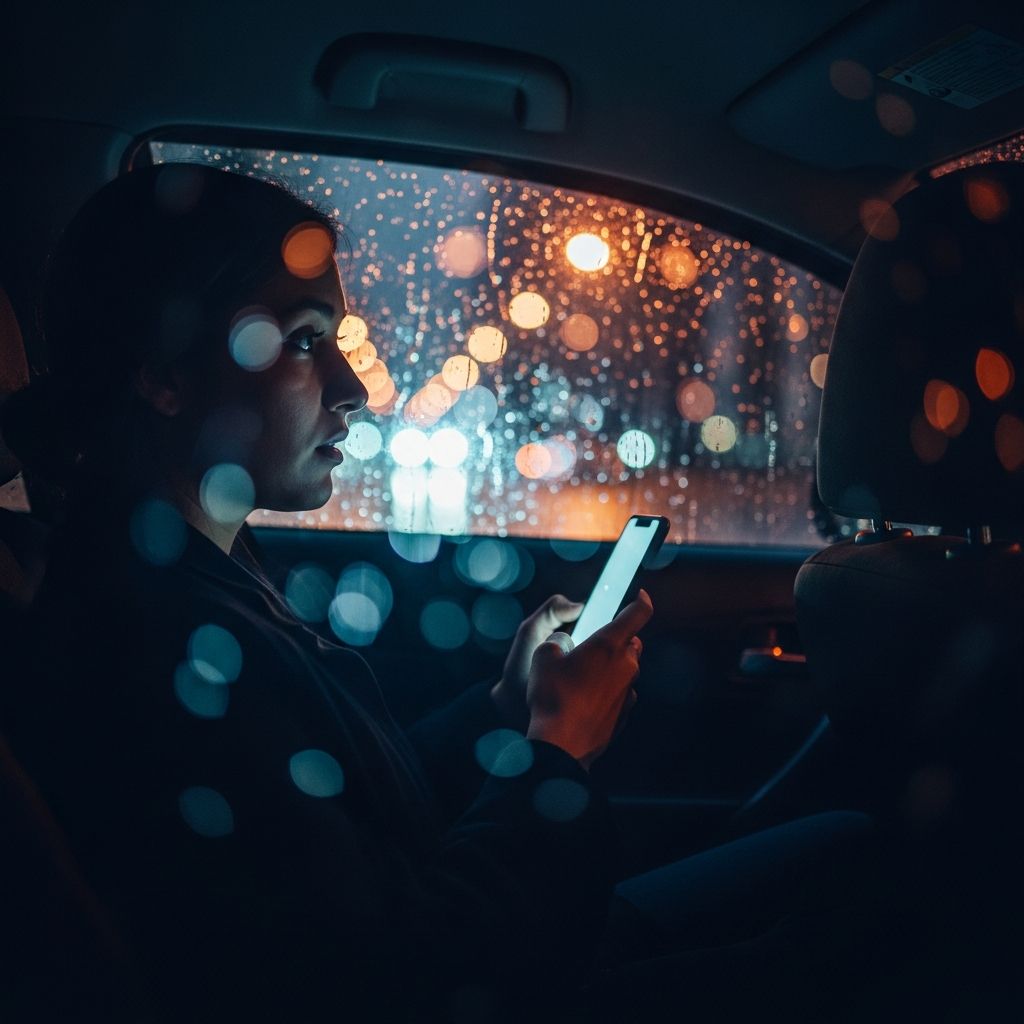
Rideshare platforms have transformed urban mobility, offering on-demand transport at the tap of a screen. Yet beneath this convenience lie substantial risks that passengers often overlook, ranging from violent crimes to data vulnerabilities and financial surprises. This article delves into these threats, drawing on official reports and expert analyses to equip you with knowledge for safer rides.
Understanding the Rideshare Revolution and Its Shadows
The proliferation of apps like Uber and Lyft has outpaced traditional taxis in many cities, providing flexibility and affordability. However, the independent contractor model introduces vulnerabilities. Drivers, classified as gig workers, undergo background checks, but these are not always comprehensive, allowing problematic individuals to slip through.
Uber’s own 2022 U.S. Safety Report reveals that while 99.9% of trips are incident-free, the remaining fraction includes thousands of serious issues, underscoring that even low percentages translate to real harm when scaled to billions of rides.
Physical Safety Threats: Assaults and Fatalities on the Rise
The most alarming dangers involve personal violence. Uber documented 998 sexual assaults in 2020 and 2,826 in 2019, with physical assaults causing 20 fatalities between those years—15 riders and 5 drivers. Lyft reported 23 fatal physical assaults from 2020-2022.
These incidents highlight failures in prevention. A 2018 investigation found 103 Uber drivers and 18 Lyft drivers accused of sexual abuse in the U.S. over four years. Features like ride-sharing with strangers, intended to cut costs, may exacerbate risks by introducing unknown parties.
Real-World Tragedies and Systemic Gaps
High-profile cases amplify concerns. In 2019, Samantha Josephson was murdered by a fake Uber driver, exposing flaws in vehicle verification—no unique PINs or robust ID checks were mandated. Recent events, like Uber drivers aiding anti-Semitic attacks in Amsterdam by tracking locations, show evolving misuse of app data.
Government scrutiny, via the U.S. GAO’s 2024 report (GAO-24-106742), criticizes inconsistent regulations on driver vetting and incident response, noting company measures fall short.
Privacy and Data Vulnerabilities Exposed
Rideshares collect sensitive data: names, locations, payment details, and even social media links. Drivers see passenger names, pickups, and drop-offs, enabling stalking if misused.
For businesses using Uber for Business, integration risks corporate networks to malware and data theft. A 2017 Appthority report flagged Uber’s removal of SSL encryption, heightening man-in-the-middle attacks. Location tracking persists, mapping user patterns vulnerable to hackers.
| Risk Type | Description | Potential Impact |
|---|---|---|
| Data Collection | Names, locations, payments tracked continuously | Stalking, identity theft |
| Network Integration | Business accounts link to apps | Corporate breaches, malware |
| Encryption Lapses | Historical lack of SSL | Data interception |
Driver Vetting: A Weak Link in the Chain
Background checks are standard but limited. Uber avoids fingerprinting or in-person interviews, relying on database scans that miss offenses. Lyft mandates TLC licensing with fingerprinting in NYC, but nationally, gaps persist.
Critics advocate in-car cameras for deterrence and evidence, though privacy and costs delay adoption. Real-time monitoring and stricter oversight are recommended.
- Common Vetting Shortfalls: No fingerprints, incomplete criminal history reviews.
- Consequences: Repeat offenders accessing passengers.
- Solutions: Mandatory PINs, enhanced checks, cameras.
Financial Pitfalls and Hidden Expenses
Beyond safety, costs surprise users. Surge pricing spikes fares during peaks, while fees for cancellations, cleaning, or long trips add up.
| Fee Type | Trigger | Average Impact |
|---|---|---|
| Surge Pricing | High demand | 2-5x base fare |
| Cancellation | User or driver cancels | $5-10 penalty |
| Cleaning | Mess in vehicle | $20-150 |
| Rural/Long Trips | High mileage | Extra per mile |
Legal Recourse: Know Your Rights as a Rider
Terms of service outline company obligations for screening and safety, but liability often shifts to users or drivers. Victims pursue claims against platforms for negligent hiring. Read policies carefully—consequences for breaches determine fault.
In assaults, evidence from apps aids lawsuits, but gaps in reporting hinder justice. Consult attorneys specializing in rideshare incidents for compensation.
Proven Strategies to Minimize Rideshare Risks
Empower yourself with precautions:
- Verify vehicle details: plate, model, driver photo before entry.
- Share trip live with trusted contacts.
- Use emergency buttons; call 911 if uneasy.
- Avoid solo rides late; opt for premium services.
- Check ratings; cancel low-rated drivers.
- Stay sober; impairment increases vulnerability.
Companies offer safety tools like PIN verification in some areas—enable them.
Frequently Asked Questions (FAQs)
Are rideshares safer than taxis?
Not necessarily; while apps provide tracking, vetting inconsistencies lead to comparable or higher assault rates per reports.
What if I’m assaulted in an Uber?
Report via app immediately, preserve evidence, seek medical care, and contact law enforcement. Pursue legal action against driver and company.
Do background checks prevent all risks?
No; they miss some records, especially without fingerprints.
Can companies be held liable for driver crimes?
Yes, under negligent hiring theories if vetting failed.
How to avoid surge pricing?
Travel off-peak, use schedules, or walk short distances.
Looking Ahead: Calls for Industry Reform
Despite improvements like emergency features, lobbying stalls mandates for cameras, universal PINs, and federal standards. Riders must stay vigilant amid regulatory lags. By understanding these dangers, you can navigate rideshares more securely.
References
- The Sneaky Dangers Of Ride-Sharing Apps Like Uber — Explore.com. 2023. https://www.explore.com/1520635/hidden-dangers-ride-sharing-apps-uber/
- Uber for Business: More Dangerous Than We Realized — Risk & Insurance. 2017-08. https://riskandinsurance.com/uber-for-business-critical-risks-to-consider-before-requesting-a-ride/
- The Hidden Dangers of Rideshare Apps – A Decade Later — Joseph Steinberg. 2024. https://josephsteinberg.com/the-hidden-dangers-of-rideshare-apps-a-decade-later-lobbying-and-inaction-continue-to-threaten-our-safety/
- The Unknown Risks of Using Rideshares — MAS Law. 2025-04. https://www.mas.law/blog/2025/april/the-unknown-risks-of-using-rideshares/
- Uber Unsafe: The Hidden Dangers of Ride-Sharing — Survivor Lawyer. N/A. https://survivorlawyer.com/sexual-assault/situations-settings/transportation-travel/rideshare-services/uber-un-safe-the-hidden-dangers-of-ride-sharing/
- How Safe Are You When You Use Uber? — Lawsuit Legal News. N/A. https://www.lawsuitlegalnews.com/news/how-safe-are-you-when-you-use-uber/
- Uber’s US Safety Report — Uber. 2022. https://www.uber.com/us/en/about/reports/us-safety-report/
Similar Articles








Read full bio of medha deb




