
Halloween Safety: Essential Tips To Keep Kids And Adults Safe
Essential strategies to protect families during Halloween festivities from accidents, traffic risks, and hidden dangers.
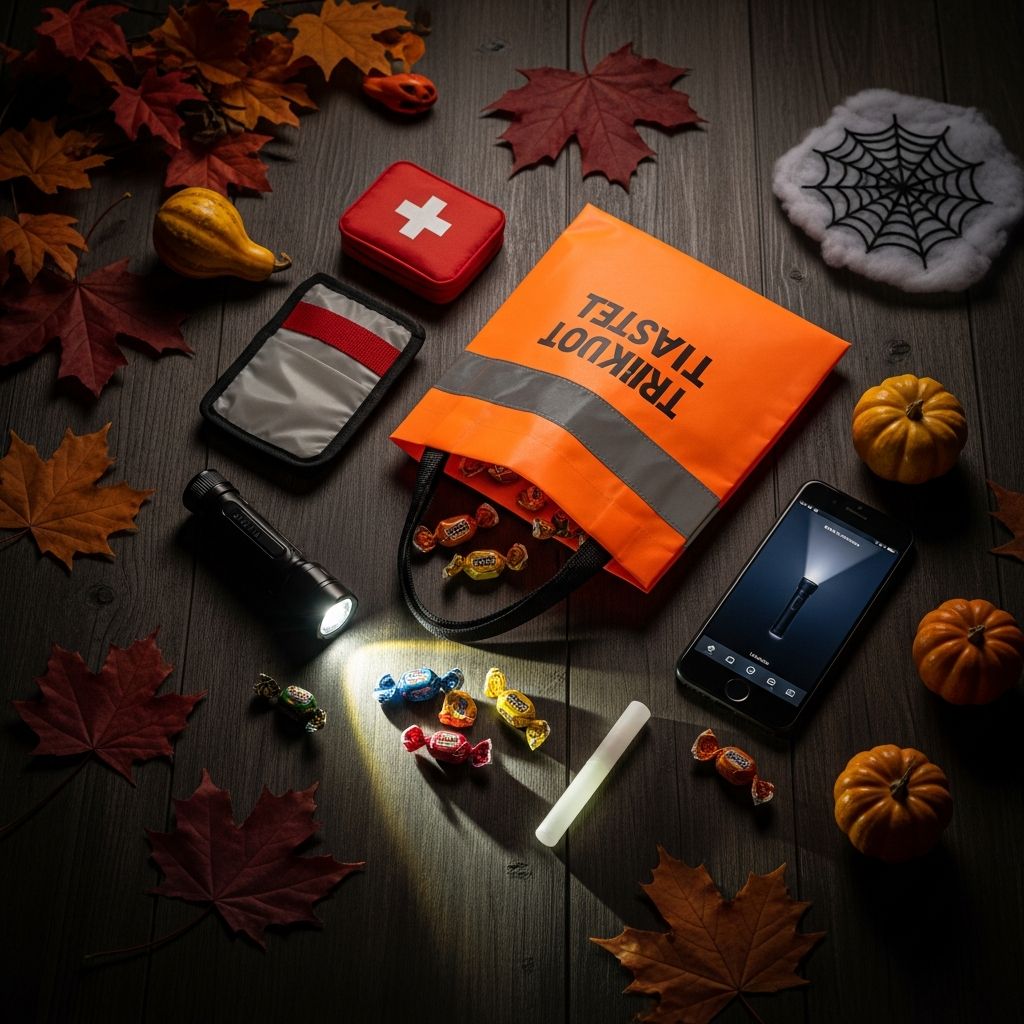
Halloween brings excitement with costumes, candy, and neighborhood adventures, but it also heightens risks of injuries from falls, traffic collisions, fires, and stranger encounters. Pediatric organizations report heightened pediatric emergency visits on this holiday due to pedestrian accidents and costume-related mishaps. This guide outlines practical measures to safeguard children and adults alike.
Designing Secure Costumes for Nighttime Fun
Costumes enhance the holiday spirit but can lead to trips, poor visibility, or fire exposure if not planned carefully. Opt for outfits in light colors like white or neon to stand out against darkening evenings. Attach reflective tape to hems, sleeves, and bags to catch vehicle headlights from afar.
Avoid full-face masks that block peripheral vision; choose hypoallergenic face paint tested on a small skin patch first. Remove all makeup before bedtime to prevent irritation. Steer clear of oversized, trailing fabrics or high heels that cause stumbles, especially on uneven paths.
- Select flame-resistant materials for wigs, beards, and garments to reduce burn risks near decorations.
- Replace sharp props like swords with soft, flexible alternatives.
- Ensure shoes fit properly over costume footwear for stable walking.
For toddlers, use strollers or wagons to contain movement and boost visibility. These adjustments minimize common pitfalls while preserving creative expression.
Mastering Safe Trick-or-Treating Routes
Pedestrian incidents peak on Halloween, with children twice as likely to suffer vehicle strikes compared to average days. Younger kids under 12 require adult supervision at all times; older ones should group up with a buddy system and predefined routes.
Stick to familiar neighborhoods, well-lit streets, and homes with porch lights on. Carry flashlights or glow sticks for dual-purpose illumination and signaling. Cross only at corners with signals, looking both ways—even for turning cars—and never dart mid-block.
| Age Group | Recommended Supervision | Visibility Tools |
|---|---|---|
| Under 12 | Adult accompaniment | Flashlight, reflective gear |
| 12-15 | Group with buddies | Glow sticks, phone check-ins |
| 16+ | Planned route, curfew | Reflective tape, group travel |
Set firm return times and teach emergency dialing to 911. Avoid entering homes or cars for treats, reporting suspicious activity immediately. Earlier community events align with bedtimes, reducing fatigue-related errors.
Securing Your Property for Visitors
Homeowners play a vital role by eliminating hazards that ensnare costumed guests. Clear porches, yards, and walkways of hoses, toys, bikes, wet leaves, and stray pumpkins to thwart trips.
Illuminate entryways with fresh bulbs and motion lights; sweep steps for debris. Secure pets indoors or leashed to prevent jumps or bites amid the chaos. Position decorations away from paths, favoring battery lights over open flames near doorways.
- Inspect extension cords to avoid overloads from festive displays.
- Keep jack-o’-lanterns on stable surfaces, distant from fabrics.
- Welcome only planned guests if hosting parties.
These preparations create inviting yet risk-free environments, cutting slip-and-fall claims common post-Halloween.
Driver Vigilance During Peak Hours
Motorists encounter surging pedestrian traffic, especially at dusk when visibility drops. The National Highway Traffic Safety Administration urges scanning roadsides, medians, and curbs for darting figures. Reduce speed in residential zones—slower paces save lives amid surprises.
Enter/exit driveways cautiously, yielding to walkers. Discourage novice drivers from roads during trick-or-treat windows; watch extra for dark-clad children. Spot impaired drivers? Report to authorities promptly.
For party hosts, designate sober drivers, collect keys, offer rideshares or overnight stays, and stock non-alcoholic drinks. Proactive habits prevent the majority of avoidable crashes.
Smart Pumpkin and Decoration Practices
Carving traditions spark creativity but harbor knife injuries—over 50% affect hands annually per safety data. Assign adults this task; engage kids in painting or sticker designs with non-toxic supplies.
Flame hazards from candles ignite costumes or dry decor; the National Fire Protection Association notes seasonal spikes in such blazes. Swap for LED teasers or glow sticks inside carved pumpkins, keeping them clear of walkways and flammables.
Store tools safely post-carving and monitor extension usage to forestall electrical faults.
Thorough Candy Inspection Protocols
Eager hands grab treats en route, but post-sort scrutiny averts tampering or allergies. Discard unwrapped, homemade, or suspicious items showing tears, holes, or odd colors.
For young ones, purge hard candies, gum, peanuts, and mini-toys posing choke threats. Scan labels for allergens; join initiatives like Teal Pumpkin for nut-free alternatives such as rings or glow trinkets. Portion sweets to dodge tummy woes, prioritizing dental health.
Party Hosting and Alcohol Management
Indoor gatherings amplify fun but risk overindulgence. Hosts must prioritize guest safety by monitoring intake, providing ample water and snacks. Plan transportation: taxis, sober shuttles, or spare rooms ensure no one drives buzzed.
- Limit entry to known invitees; supervise costumes near flames.
- Stock varied beverages, including mocktails.
- End events timely to respect neighborhood quiet hours.
Responsible stewardship curbs DUIs and injuries, preserving holiday memories.
Frequently Asked Questions
What if a child gets lost during trick-or-treating?
Stay put if safe, or head to a lit home for adult help. Use cell phones for location sharing; dial 911 if needed, providing landmarks.
Are glow sticks safer than flashlights?
Both excel—glow sticks offer hands-free glow, flashlights light paths. Combine for optimal effect.
How to handle food allergies on Halloween?
Pre-check hauls, discard risks, seek allergy-safe options via community pledges.
Should teens trick-or-treat alone?
No—groups with routes, check-ins, and curfews are ideal; avoid isolated spots.
What about pet costumes?
Ensure comfort, no vision blocks; skip outings, keep indoors supervised.
Implementing these measures fosters joyful, incident-free Halloween rituals. From visible attire to alert driving, collective caution transforms potential perils into pure delight.
References
- Halloween Fun & Safety Tips for Kids of All Ages — American Academy of Pediatrics. 2023-10-01. https://www.healthychildren.org/English/safety-prevention/all-around/Pages/Halloween-Safety-Tips.aspx
- Halloween Safety Tips for Families to Stay Safe — Physicians Premier. 2024-10-15. https://mdpremier.com/halloween-safety-tips-for-families-to-stay-safe/
- Keep Your Child Safe: Halloween — New York Department of State. 2023-10-20. https://dos.ny.gov/keep-your-child-safe-halloween
- 10 Halloween Safety Tips — Mass General Brigham. 2024-10-10. https://www.massgeneralbrigham.org/en/about/newsroom/articles/halloween-safety-tips
- Simple Steps for an Extra Safe Halloween — National Safety Council. 2024-10-05. https://www.nsc.org/community-safety/safety-topics/seasonal-safety/autumn-safety/halloween
- Halloween Safety Tips: Costumes, Candy, and Colored Contact Lenses — U.S. Food and Drug Administration. 2023-10-25. https://www.fda.gov/consumers/consumer-updates/halloween-safety-tips-costumes-candy-and-colored-contact-lenses
- Halloween Safety Tips for Drivers, Pedestrians, More — National Highway Traffic Safety Administration. 2024-10-01. https://www.nhtsa.gov/halloween-safety-tips
Similar Articles








Read full bio of Sneha Tete




