
Halloween Liability Safeguards for Homeowners
Essential strategies to shield your home from Halloween mishaps, injuries, and costly legal claims this spooky season.
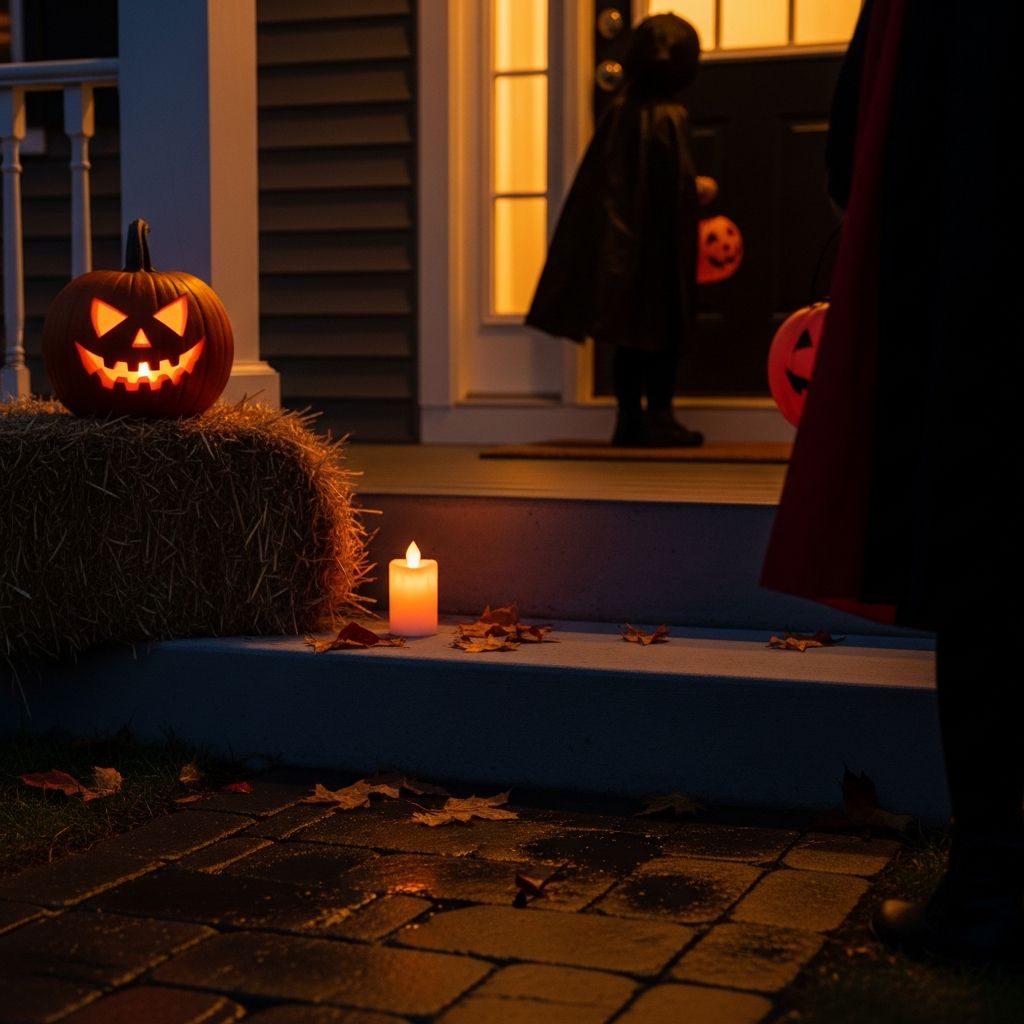
Halloween brings joy with costumes, candy, and community gatherings, but it also heightens risks of accidents on your property. Homeowners face increased foot traffic from trick-or-treaters, parties, and decorations, potentially leading to slips, falls, pet incidents, or property damage. Understanding premises liability—where property owners can be held responsible for injuries due to unsafe conditions—is crucial. This guide outlines proactive measures to reduce these risks, ensuring a safe celebration without legal repercussions.
Understanding Premises Liability on All Hallows’ Eve
Premises liability laws hold property owners accountable for maintaining safe environments for visitors. On Halloween, categories of visitors expand: invitees (like party guests), licensees (trick-or-treaters approaching your door), and trespassers (pranksters). Injuries from uneven paths, poor lighting, or unsecured pets can result in claims for medical expenses, lost wages, and pain and suffering.
Common scenarios include a child tripping on extension cords for fog machines or a guest slipping on wet leaves near your porch. Courts assess whether you knew or should have known about the hazard and failed to address it. Statistics show pedestrian accidents spike on Halloween, with increased emergency visits reported by health authorities.
Property Preparation: Fortifying Your Grounds Against Hazards
Start with a thorough inspection of your yard, driveway, and entryways. Clear debris like fallen branches, hoses, or toys that could cause trips. Repair cracked sidewalks or loose steps before dusk falls.
- Illuminate Pathways: Install motion-activated lights or solar-powered lanterns along walkways. Well-lit areas reduce visibility errors, a leading cause of falls.
- Secure Decorations: Anchor inflatables, webs, and props to prevent them from toppling in wind or startling visitors.
- Weather-Proof Surfaces: Sweep away leaves and ice; apply non-slip treatments to ramps or stairs if rain is forecast.
Table of Common Property Hazards and Fixes:
| Hazard | Risk Level | Prevention Step |
|---|---|---|
| Dark Walkways | High | Add LED lights and reflectors |
| Extension Cords | Medium | Tape down or use cord covers |
| Uneven Ground | High | Fill potholes; mark obstacles |
| Loose Rugs/Mats | Medium | Remove or secure with tape |
These steps not only prevent injuries but also demonstrate due diligence if a claim arises.
Managing Pets During Peak Trick-or-Treat Hours
Pets often react unpredictably to costumes, masks, and noise. A friendly dog might snap if frightened by a ghoul outfit. Keep all animals indoors, away from the front door. Use baby gates or crates to contain them.
- Post “Beware of Dog” signs if pets are visible from outside.
- Avoid letting pets roam unsupervised, even in fenced yards where children might climb.
- For multi-pet homes, designate a quiet room with familiar comforts to minimize stress.
Should an incident occur, homeowners insurance typically covers dog bites under liability provisions, but prevention is preferable to payouts.
Hosting Parties: Navigating Alcohol and Guest Safety
Halloween parties amplify risks, especially with alcohol. Social host liability laws in many states hold you responsible if an impaired guest causes harm after leaving. Monitor intake and offer non-alcoholic options.
- Arrange rideshares or designate drivers; never allow intoxicated guests to drive.
- Limit servings and stop alcohol service if someone appears overserved.
- Ensure indoor spaces are clutter-free, with clear paths to exits.
Consider noise ordinances—loud music might attract unwanted attention or complaints. For larger gatherings, an umbrella policy extends liability beyond standard homeowners coverage.
Fire Safety and Decoration Best Practices
Jack-o’-lanterns and fog machines add atmosphere but pose fire threats. Opt for LED lights inside pumpkins; real flames near dry leaves or cornstalks can ignite quickly.
- Space decorations to avoid overcrowding entry points.
- Use flame-retardant materials for costumes and props.
- Have fire extinguishers handy and know your home’s evacuation routes.
National Fire Protection Association guidelines emphasize keeping open flames at least three feet from anything combustible.
Insurance Review: Your First Line of Defense
Before October 31st, contact your agent to confirm liability limits—standard policies offer $100,000 to $300,000, but Halloween crowds may warrant more. Umbrella policies provide millions in extra protection for under $200 annually.
- Review exclusions: Some policies limit coverage for intentional acts or certain dog breeds.
- Document your property’s pre-Halloween condition with photos.
- Understand deductibles and what triggers a claim.
Proactive coverage checks bring peace of mind amid the festivities.
Trick-or-Treater and Family Protection Tips
For families participating, fit costumes allow easy movement; add reflective tape for visibility. Adults should accompany young children and stick to familiar neighborhoods.
- Use makeup over masks for better peripheral vision.
- Inspect candy for tampering.
- Drive slowly; pedestrians increase dramatically on Halloween.
Communities with organized events reduce street risks—check local listings.
Frequently Asked Questions
Does homeowners insurance cover Halloween injuries?
Yes, liability coverage often handles guest injuries from covered perils like slips, subject to policy limits and exclusions.
What if a trespasser gets hurt on my property?
Duty of care is lower for trespassers, but attractive nuisances (like unsecured pools) can still create liability.
Should I buy extra insurance for a big party?
An umbrella policy is recommended for events with alcohol or many guests to bridge coverage gaps.
Are there laws about serving alcohol at home parties?
Social host laws vary by state; serving minors or overserving adults can lead to dram shop liability.
How can I prove I maintained a safe property?
Photos, witness statements, and maintenance records strengthen your defense in claims.
Community and Vandalism Prevention
Post-Halloween vandalism spikes; deter it with timers on lights and cameras. Join neighborhood watches to patrol after trick-or-treating. Motion-sensor systems illuminate potential hotspots, discouraging mischief.
By fostering a vigilant community, risks drop collectively. Report suspicious activity promptly.
References
- Halloween Insurance Tips! Not Tricks! — South Carolina Department of Insurance. 2023-10-01. https://doi.sc.gov/992/Halloween-Insurance-Tips-Not-Tricks
- Halloween Safety Tips — Travelers Insurance. 2024-10-01. https://www.travelers.com/resources/home/safety/halloween-safety-tips
- Halloween safety tips with home insurance advice — American Family Insurance. 2024-10-01. https://www.amfam.com/resources/articles/at-home/halloween-and-homeowners-insurance
- Homeowners and Halloween: How to Prevent Liability Scares — Ansay & Associates. 2023-10-15. https://www.ansay.com/resources/homeowners-and-halloween-how-to-prevent-liability-scares/
- Halloween Safety Tips with a Side of Insurance Wisdom — DF Murphy. 2024-09-20. https://www.dfmurphy.com/blog/halloween-safety-tips-with-a-side-of-insurance-wisdom/
Similar Articles








Read full bio of medha deb




