Halloween brings excitement with costumes, candy, and community festivities, but it also heightens injury risks. Each year, thousands of emergency room visits stem from preventable accidents during trick-or-treating and related activities. By implementing thoughtful precautions, families can enjoy the holiday securely. This guide outlines key strategies focusing on costumes, visibility, supervision, traffic awareness, home setups, food safety, and emergency readiness, drawing from health experts and safety organizations.
Selecting Secure and Practical Costumes
Costumes define Halloween fun, yet poorly designed ones lead to slips, vision issues, and burns. Prioritize outfits that balance creativity with safety to avoid mishaps.
- Opt for properly sized garments: Ensure hems reach mid-calf or above to prevent dragging and tripping on sidewalks or uneven paths.
- Select flame-retardant fabrics: Check labels for treatments that resist ignition near jack-o’-lanterns or candles, a common burn source.
- Choose makeup over masks: Non-toxic face paints allow clear peripheral vision, unlike full masks that obscure sightlines and increase collision risks.
- Incorporate flexible props: Swords or wands should bend easily, minimizing poke injuries during playful interactions.
Comfortable, familiar shoes trump character-specific footwear. Sneakers provide traction and ankle support for hours of walking, reducing sprain chances on dewy grass or curbs.
Boosting Visibility in the Night
Dusk falls early on Halloween, turning streets into low-light zones where pedestrians vanish to drivers. Enhancing detectability slashes accident probabilities dramatically.
- Attach reflective materials: Sew or stick tape on backs, arms, and bags; it glows under headlights, alerting motorists from afar.
- Equip with light sources: Flashlights, glow sticks, or LED clips illuminate paths ahead and signal positions to vehicles.
- Favor light hues: Bright oranges, whites, or yellows stand out against darkening backgrounds better than dark blacks or greens.
Drivers should activate full headlights, slow at intersections, and avoid distractions like phones to spot darting figures promptly.
Mastering Traffic Navigation Rules
Pedestrian-vehicle collisions peak on Halloween, often fatally for children distracted by candy hauls. Structured movement keeps everyone on course.
| Safe Practice | Risk Avoided | Implementation Tip |
|---|---|---|
| Stick to sidewalks | Trips in yards or roads | Use driveways properly; avoid cutting corners |
| Face oncoming traffic | Blindside surprises | Walk road edges without sidewalks |
| Cross at signals | Sudden vehicle turns | Look both ways; hold hands in groups |
| No running between houses | Impulsive dashes | Set a steady walking pace |
Group trick-or-treating amplifies safety; pairs or families spot hazards collectively and reinforce rules like pausing at streets.
Supervision and Route Planning Essentials
Adult oversight transforms chaotic outings into controlled adventures, especially for young ones. Pre-plan routes through familiar, populated neighborhoods.
- Target illuminated zones: Lit porches signal welcoming homes; dark ones may hide obstacles or pets.
- Review emergency contacts: Teach 911 use and share cell numbers for quick reunions if separated.
- Set candy rules upfront: No eating until inspected at home prevents immediate tummy troubles or tampering oversights.
For teens venturing solo, map predefined paths with check-in times and buddy systems to maintain accountability.
Securing Home and Yard for Visitors
Hosts play a pivotal role by eliminating environmental traps. A tidy, visible property welcomes guests without incident.
- Sweep walkways clear: Remove leaves, hoses, or toys that cause slips on damp surfaces.
- Illuminate entry points: Motion lights or porch bulbs guide feet safely to doors.
- Secure pets indoors: Excited dogs may lunge, startling or nipping costumed strangers.
Position treats in easy-reach bowls, avoiding deep porches with steps that invite stumbles in the excitement.
Pumpkin Preparation Without the Perils
Carving icons like jack-o’-lanterns accounts for numerous lacerations annually. Safer methods preserve fingers alongside festive spirits.
- Use specialized tools: Kits with serrated scoops and saws slice precisely without slipping like chef knives.
- Stabilize surfaces: Flat, dry counters prevent rolling pumpkins and blade mishaps.
- Assign age-appropriate tasks: Kids paint, sticker, or hollow with spoons while adults handle cuts.
- Opt for LED inserts: Battery lights eliminate open-flame fire risks inside carved shells.
Work in well-lit areas with first-aid kits nearby for inevitable minor nicks.
Smart Candy Handling Protocols
Post-trick-or-treat bounty inspection guards against allergens, tampering, and digestive woes. Moderation extends the joy beyond one night.
- Inspect wrappers closely: Discard torn, homemade, or unfamiliar brands; check for punctures.
- Screen for young eaters: Remove hard candies or gums posing choke threats to toddlers.
- Portion daily intake: Limit to handfuls, followed by brushing to fend off cavities from sugars.
Combine treats with water or healthy snacks to balance indulgences and monitor for reactions like nut allergies.
Building Emergency Preparedness Habits
Despite precautions, surprises occur. Readiness ensures swift, calm responses.
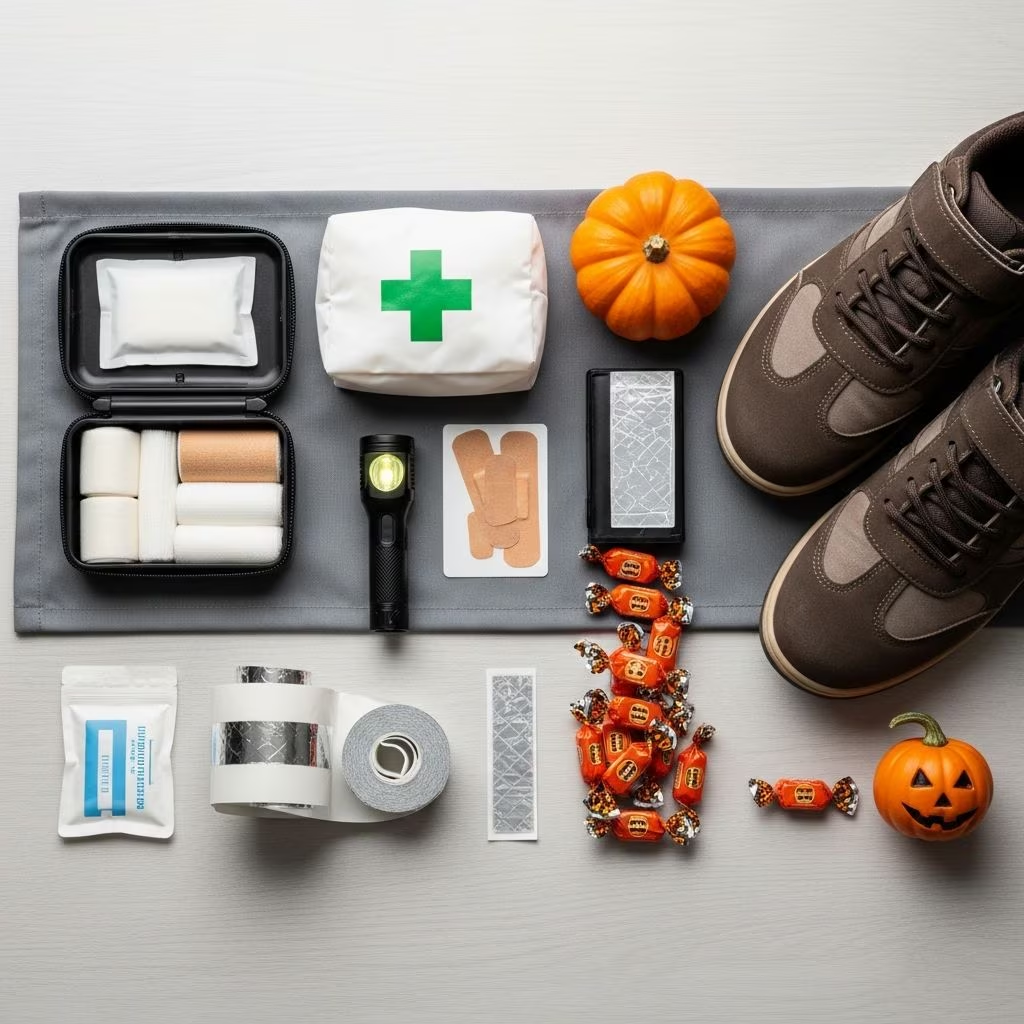
- Carry essentials: Bandages, antiseptics, phones charged for calls or photos of injuries.
- Know symptoms: Watch for concussions from falls, like dizziness or vomiting, warranting medical checks.
- Practice drills: Role-play lost-child reunions at a landmark before heading out.
Inform neighbors of group plans for communal vigilance.
Frequently Asked Questions (FAQs)
What if my child insists on a long cape costume?
Hem it shorter or pin up excess fabric securely. Pair with lights for visibility, prioritizing mobility over perfection.
Are glow sticks safe for all ages?
Yes, but supervise toddlers; breakage releases non-toxic fluid that’s irritating if swallowed—rinse eyes or skin immediately if contact occurs.
How do I handle group trick-or-treating logistics?
Assign a lead adult, set speed rules, and use walkie-talkies or apps for larger parties to stay connected.
What’s the biggest pumpkin carving risk?
Knife slips on unstable pumpkins; use kits and adult supervision exclusively for blades.
Should drivers alter routes on Halloween?
Yes, anticipate crowds, drive 10-15 mph slower, and yield to pedestrians proactively.
Adopting these measures fosters memorable, injury-free Halloweens. Share tips within communities to amplify collective safety.
References
- Halloween Safety Tips for Trick or Treaters of All Ages — American Red Cross. 2025-10-01. https://www.redcross.org/about-us/news-and-events/news/2025/halloween-safety-tips-for-trick-or-treaters-of-all-ages.html
- 10 trick-or-treating safety tips — Children’s Hospital of Orange County (CHOC). 2023-10-20. https://health.choc.org/ten-trick-treating-safety-tips/
- Halloween Safety Tips | Injury Prevention — Cincinnati Children’s Hospital Medical Center. 2024-09-15. https://www.cincinnatichildrens.org/service/c/ccic/injury-prevention/halloween-safety
- 10 Halloween safety tips: All treats, no tricks — Baylor Scott & White Health. 2024-10-25. https://www.bswhealth.com/blog/10-tips-for-halloween-safety-all-treats-no-tricks
- Avoid a Scary Visit to the ER with 7 Tips for Safe Trick-or-Treating — HCA Healthcare Today. 2016-10-31. https://hcahealthcaretoday.com/2016/10/31/avoid-a-scary-visit-to-the-er-with-7-tips-for-safe-trick-or-treating/