
Gym Injury Lawsuits: Key Facts and Legal Options
Discover when you can pursue legal action against gyms, trainers, or fitness brands for injuries caused by negligence or faulty equipment.
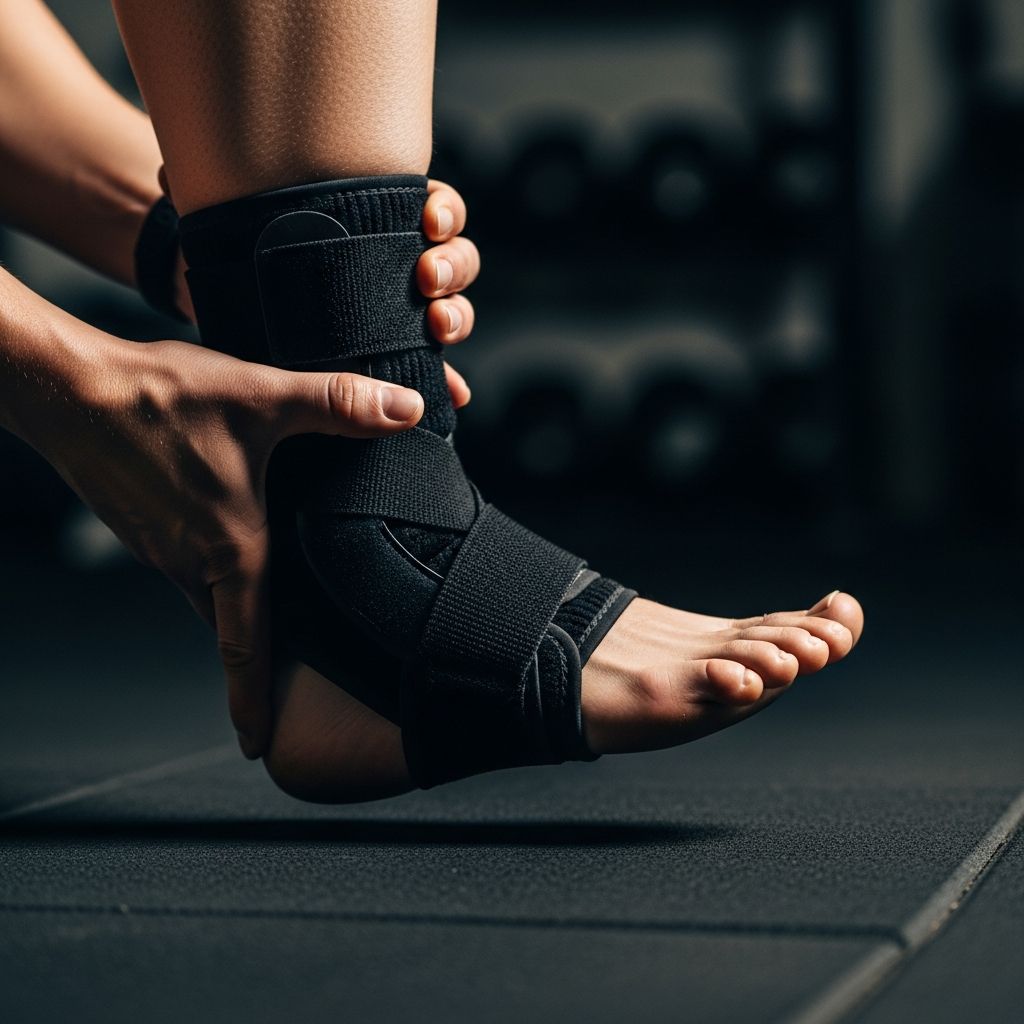
Gyms and fitness centers attract millions seeking health improvements, yet injuries occur frequently, with over 4 million emergency room visits yearly from exercise-related incidents. When negligence contributes, affected individuals may have grounds for lawsuits against facilities, trainers, or equipment providers. This article explores liability principles, common injury causes, legal strategies, and recovery paths.
Understanding Liability in Fitness Environments
Fitness venues owe patrons a duty of reasonable care to prevent foreseeable harms. This includes maintaining safe equipment, training staff adequately, and supervising areas properly. Breaches leading to injuries can form the basis of negligence claims.
Personal trainers, whether employees or contractors, must possess qualifications like certifications and tailor programs to clients’ abilities. Pushing beyond safe limits or ignoring medical histories can trigger liability.
Proving Negligence: Essential Elements
To succeed in a gym injury lawsuit, plaintiffs must establish four key negligence components:
- Duty of Care: Gyms and trainers have an obligation to ensure safety through proper maintenance, instructions, and hazard warnings.
- Breach: Failure to uphold this duty, such as ignoring frayed cables or providing incorrect form guidance.
- Causation: Direct link between the breach and injury, e.g., a snapped cable striking a user.
- Damages: Quantifiable losses like medical costs, wage loss, or pain.
Courts apply comparative negligence in many states, reducing awards based on plaintiff fault but not barring claims entirely.
Common Scenarios Leading to Claims
Injuries arise from diverse sources in fitness settings. Below is a table summarizing frequent cases and potential liable parties:
| Incident Type | Description | Potential Liability |
|---|---|---|
| Equipment Failure | Frayed cables, loose parts, or malfunctioning machines | Gym for poor maintenance; manufacturer for defects |
| Trainer Error | Improper technique instruction or excessive loads | Trainer or gym if supervised |
| Slip-and-Fall | Wet floors, scattered weights, or spills | Facility for inadequate cleaning/supervision |
| Overcrowding | Collisions in busy areas without controls | Gym management |
These incidents highlight how everyday oversights escalate into serious harms, from sprains to spinal damage.
Navigating Liability Waivers and Defenses
Most memberships require waivers assuming inherent workout risks. These protect against ordinary negligence but fail against gross negligence—reckless disregard for safety—or intentional acts.
For instance, a waiver cannot shield a gym knowingly operating broken gear. Courts scrutinize waiver language; ambiguous terms favor injured parties. Trainers’ separate contracts may include similar clauses, but negligence voids them.
Assumption of risk doctrine applies when participants voluntarily engage in known dangers, yet it yields to proven facility faults.
Types of Compensation Available
Successful claims yield economic and non-economic damages:
- Economic: Hospital bills, therapy, lost income, future care costs.
- Non-Economic: Pain, suffering, emotional distress like anxiety or PTSD from traumatic events.
- Punitive: Rare, for egregious conduct like hiding known defects.
Emotional impacts, including insomnia or lost life enjoyment, qualify if tied to negligence.
Immediate Actions Post-Injury
Swift responses preserve claims:
- Seek medical evaluation promptly, even for minor-seeming issues.
- Report to staff, insisting on an incident form with details and witnesses.
- Photograph equipment, scenes, and injuries.
- Collect witness contacts.
- Avoid signing new documents or admitting fault.
Delays weaken cases, as facilities may argue injuries stemmed elsewhere.
Targeting the Right Defendant
Determine responsibility:
- Gym: Premises liability for facility issues.
- Trainer: Professional negligence if independent.
- Both: If trainer employed; gyms often vicariously liable.
- Manufacturer: Product defects in gear.
Review contracts for arbitration clauses mandating non-court resolution.
Challenges in Pursuing Claims
Defendants leverage waivers, risk assumptions, and comparative fault. Proving gross negligence requires strong evidence like prior complaints or maintenance logs. Trainer suits complicate with contractor status.
Time limits (statutes of limitations) vary by state—typically 1-3 years—urging quick action.
Protective Measures for Fitness Professionals
Trainers mitigate risks via certifications, client screenings, clear communications, insurance, and hazard protocols. Document sessions to refute misrepresentation claims.
Frequently Asked Questions
Can I sue despite signing a gym waiver?
Yes, waivers do not cover gross negligence, defective equipment, or intentional harm. Courts invalidate overbroad protections.
What if I contributed to my injury?
Comparative negligence reduces but does not eliminate recovery in most states.
How much are gym injury settlements worth?
Varies widely; minor cases yield thousands, severe ones millions, based on damages proven.
Should I sue the trainer or the gym?
Depends on employment status; gyms often liable for staff actions.
Do I need a lawyer for a gym injury claim?
Highly recommended; they navigate waivers, gather evidence, and maximize compensation.
Conclusion: Empowering Informed Decisions
Gym injuries demand careful legal evaluation. While waivers pose hurdles, negligence opens recovery doors. Consult experienced attorneys promptly to assess viability and safeguard futures.
References
- Will it be right for me to sue LA Fitness/trainer? — Avvo Legal Answers. Accessed 2026. https://www.avvo.com/legal-answers/will-it-be-right-for-me-to-sue-la-fitness-trainer–1308470.html
- Injured at a gym or fitness center? How to file a lawsuit — Shouse Law Group (YouTube). Accessed 2026. https://www.youtube.com/watch?v=xFCae7Th_BY
- Gym Injury Lawsuits: We Can Do the Heavy Lifting — Morgan & Morgan. 2024-12-20. https://www.forthepeople.com/blog/gym-injury-lawsuits-we-can-do-heavy-lifting/
- Injured At The Gym: Should I Sue the Gym or the Personal Trainer? — Smiley Law Firm. Accessed 2026. https://www.smileylaw.com/injured-at-the-gym-should-i-sue-the-gym-or-the-personal-trainer/
- When Can You Sue Your Gym for Equipment Injuries? — Wooten, Kimbrough, Damaso, and Dennis, P.A. Accessed 2026. https://whkpa.com/sue-gym-equipment-for-injuries/
- Common Lawsuits Personal Trainers Face — NACAMS. Accessed 2026. https://nacams.org/blog/common-lawsuits-personal-trainers-face/
- Fitness Trainers: How To Avoid Liability Landmines — Sadler Sports Insurance. Accessed 2026. https://www.sadlersports.com/blog/fitness-trainers-avoid-liability-landmines/
Similar Articles








Read full bio of medha deb




