Nursing homes serve as vital care environments for elderly individuals requiring assistance with daily activities. However, these facilities sometimes witness preventable injuries stemming from inadequate oversight, understaffing, or substandard maintenance. Understanding these risks empowers families to advocate effectively for their loved ones. This comprehensive guide details the primary injury types, their origins, identification methods, and protective measures.
Understanding Risks in Long-Term Care Settings
Elderly residents often face heightened vulnerability due to age-related frailties like weakened bones, reduced mobility, and chronic conditions. Data indicates substantial prevalence: for instance, falls affect nearly 75% of residents annually, contributing to around 1,800 deaths each year. Pressure injuries impact 2% to 28% of residents, per CDC estimates. These statistics highlight the urgency of vigilance.
Neglect manifests through environmental hazards, insufficient staff training, or improper protocols. Federal regulations exist, yet enforcement varies, leading to disparities in care quality. Families must monitor closely, as early detection can avert escalation.
Top Injuries from Falls and Resulting Trauma
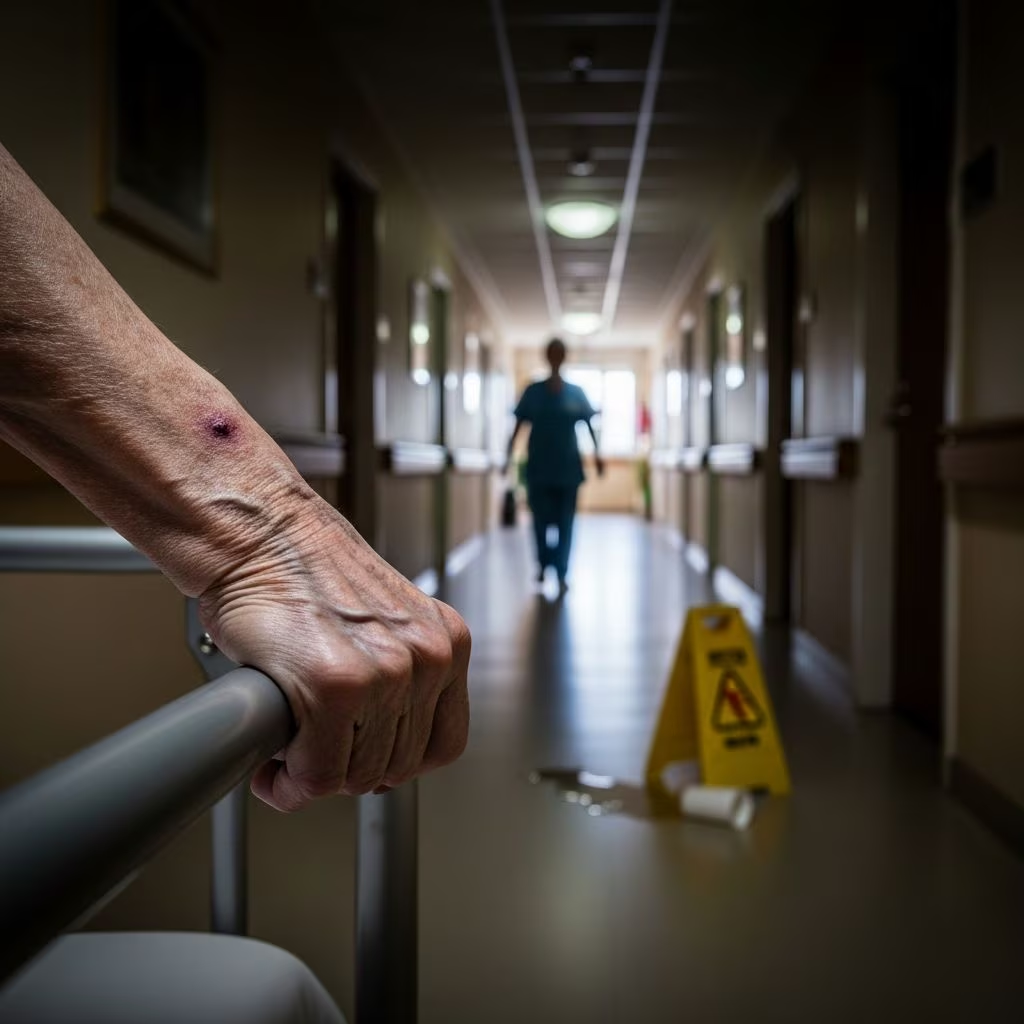
Falls represent the foremost threat, often triggered by slippery surfaces, dim lighting, cluttered walkways, or absent supervision. Residents with mobility aids or cognitive impairments face amplified dangers. Consequences range from minor bruises to catastrophic outcomes.
- Hip and Pelvic Fractures: Brittle bones in seniors shatter easily, demanding surgical intervention and extended rehabilitation. Recovery proves arduous, with many never regaining full independence.
- Head Injuries and Concussions: Impacts can induce traumatic brain injuries (TBIs), manifesting as confusion, behavioral shifts, or emotional volatility. Undetected TBIs worsen prognosis.
- Spinal and Back Damage: Tumbles may compress vertebrae, causing chronic pain or paralysis in severe instances.
Preventive steps include installing grab bars, ensuring non-slip flooring, and conducting regular risk assessments. Staff should assist transfers and monitor high-risk individuals.
Pressure Ulcers: The Silent Toll of Immobility
Bedsores, or pressure ulcers, arise when prolonged pressure restricts blood flow to skin over bony prominences like heels, sacrum, or hips. Neglect in repositioning residents every two hours fosters these wounds, which progress from redness to deep tissue necrosis if ignored.
A study notes 11% prevalence, frequently on heels or sacrum. Untreated ulcers invite bacterial invasions, potentially fatal for compromised immune systems. Stages include:
| Stage | Description | Treatment Needs |
|---|---|---|
| 1 | Skin redness, intact but tender | Pressure relief, moisturizing |
| 2 | Blister or shallow open sore | Wound dressings, infection checks |
| 3 | Deep crater into fat layer | Debridement, antibiotics |
| 4 | Exposes muscle/bone, high infection risk | Surgery, long-term care |
Mitigation demands routine turning schedules, specialized mattresses, and nutritional support rich in protein and vitamins.
Fractures and Skeletal Harm Beyond Falls
Broken bones extend beyond falls, sometimes from mishandled transfers or bedrail entrapment. Common sites: arms, legs, spine, pelvis. Elderly healing slows, elevating complication risks like pneumonia from immobility.
Understaffing leaves residents unassisted during bed-to-chair moves, amplifying perils. Premises liability applies when hazardous conditions persist. Surgical pins, plates, or casts follow, but mortality rates climb post-hip fracture.
Infections: Complications from Open Wounds
Infections complicate many injuries, entering via bedsores, cuts, or fractures. Poor hygiene, unclean facilities, or delayed care accelerates sepsis, a systemic response potentially leading to organ failure.
Symptoms: fever, swelling, pus, foul odors. Vulnerable residents suffer rapid deterioration. Cleanliness protocols, sterile handling, and prompt treatment are essential.
Restraint-Related Damages: Physical and Chemical
Though regulated, restraints persist as last-resort measures. Physical types (belts, vests) cause bruises, abrasions, nerve compression. Chemical variants (sedatives) induce oversedation, respiratory issues, heightened fall risks.
Federal guidelines limit use; many states impose stricter rules. Alternatives like alarms or padded environments prove safer.
Medication Mishaps and Overmedication
Errors in dosing or administration yield overdoses, adverse reactions, or interactions. Symptoms: dizziness, falls, respiratory depression. Proper training and double-checks prevent these.
Malnutrition and Dehydration Effects
Often overlooked, these weaken residents, promoting dizziness and falls. Signs: weight loss, dry mouth, lethargy. Regular meals, fluid monitoring, and dietary oversight counter this.
Bedrail and Equipment Hazards
Intended for safety, bedrails entrap or prompt climbs leading to falls. Gaps between rail and mattress asphyxiate. Modern designs and assessments minimize risks.
Spotting Warning Signs of Neglect
Families should watch for:
- Unexplained bruises or welts
- Sudden weight changes
- Declining hygiene
- Behavioral withdrawal
- Frequent, undocumented incidents
Regular visits, reviewing records, and communicating with staff aid detection.
Prevention Strategies for Safer Facilities
Effective protocols encompass:
- Staff training on mobility assistance
- Risk-specific care plans
- Environmental audits
- Family involvement in oversight
- Technology like sensors and cameras
Legal Recourse for Victims
When negligence causes harm, compensation covers medical bills, pain, lost quality of life. Statutes of limitations apply; consult attorneys specializing in elder law promptly. Evidence like photos, medical logs, witness accounts strengthens cases.
Frequently Asked Questions (FAQs)
What causes most nursing home falls?
Unsafe floors, poor lighting, lack of supervision, and resident weakness from malnutrition.
How can bedsores be prevented?
Frequent repositioning, pressure-relieving devices, and skin inspections.
Are restraints allowed in nursing homes?
Only as last resorts under strict federal and state rules.
What should I do if I suspect neglect?
Document everything, notify administrators, contact ombudsman, and seek legal advice.
Can families sue for nursing home injuries?
Yes, for negligence-proven cases, pursuing damages via personal injury claims.
References
- Common Types of Nursing Home Injuries — Lanzone Morgan, LLP. N/A. https://lanzonemorgan.com/nursing-home-injuries/
- 8 Common Injuries Caused By Nursing Home Abuse — Law Offices of Dean H. Freeman. N/A. https://www.lawofficesofdeanhfreeman.com/8-common-injuries-caused-by-nursing-home-abuse/
- Common Injuries Associated with Nursing Home Falls — Kadzai Law Group. N/A. https://www.kadzailawgroup.com/chicago-injury-attorney/what-are-the-most-common-injuries-associated-with-nursing-home-falls
- What Are the Most Common Injuries Sustained in Nursing Homes? — Stone Injury Lawyers. N/A. https://www.stoneinjurylawyers.com/faqs/most-common-nursing-home-injuries/
- Nursing Home Injuries – Learn About Different Types of Injuries — Nursing Home Abuse Center. N/A. https://www.nursinghomeabusecenter.com/nursing-home-injuries/
- Most Common Types of Nursing Home Abuse Injuries — Greenslade Cronk. 2025-12. https://www.greensladecronk.com/blog/2025/12/most-common-types-of-nursing-home-abuse-injuries/
- The 3 Most Common Nursing Home Injuries — John Risvold. N/A. https://www.johnrisvold.com/the-3-most-common-nursing-home-injuries/