
Found a Lost Phone? Understanding Your Legal Rights
Discover what the law actually says about keeping found phones and your obligations as a finder.
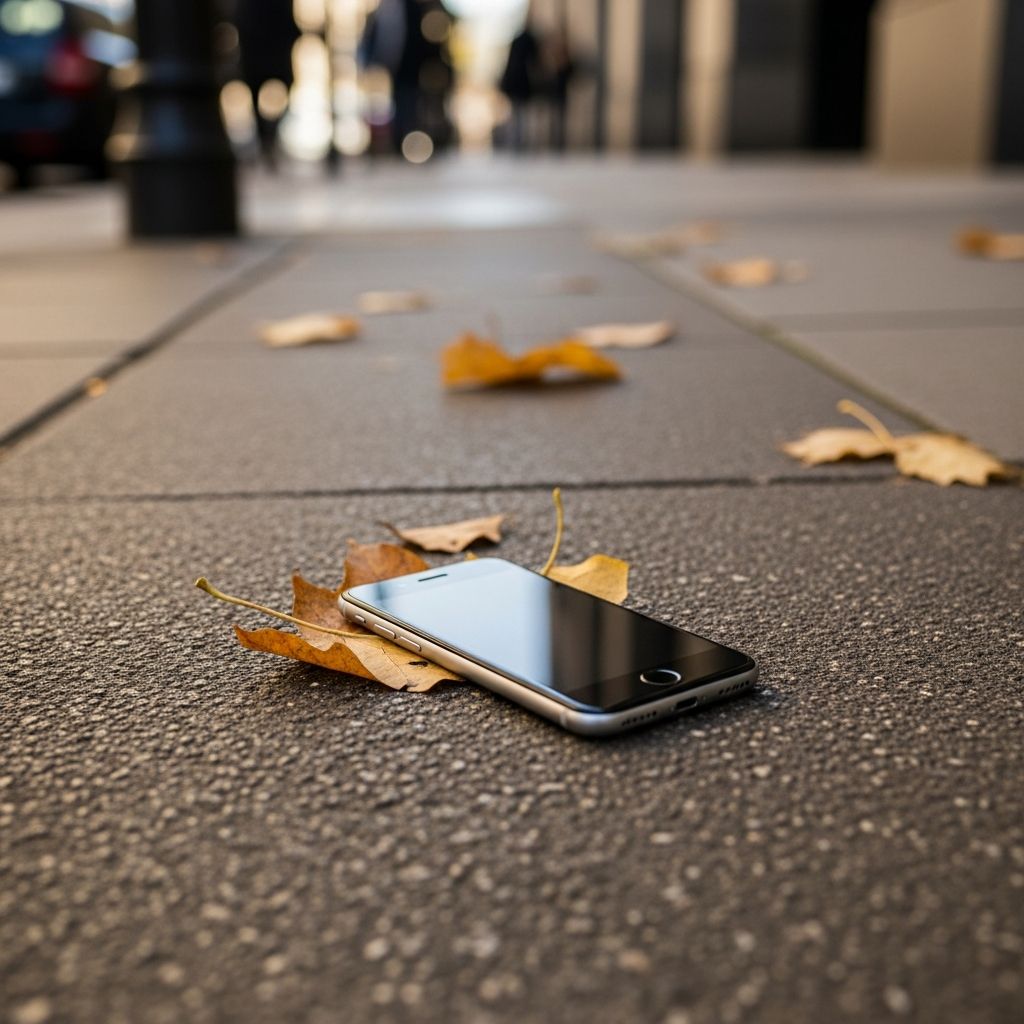
The Playground Myth That Could Cost You
Most people learned the phrase “finders, keepers” as children, believing it granted them ownership rights over any item they discovered. However, this playground principle has no basis in law. In reality, finding property does not automatically grant you the legal right to keep it, especially when that property is a smartphone. What many people don’t realize is that keeping a found phone could expose you to serious criminal liability, including misdemeanor theft charges, fines, and potential jail time.
The legal landscape surrounding found property is complex and varies by jurisdiction, but the fundamental principle remains consistent across most U.S. states: if you find property that can reasonably be traced back to its owner, you have a legal obligation to make a good-faith effort to return it. Failing to do so can result in criminal charges for theft, conversion, or unlawful appropriation of property.
Why Smartphones Present a Unique Legal Problem
Cell phones occupy a peculiar position in property law because they contain multiple layers of identifying information and personal data. Unlike many lost items, a smartphone typically contains contact information, identification documents, emergency contacts, and other traceable details that make locating the owner relatively straightforward. This accessibility to owner information actually strengthens the legal case against someone who chooses to keep a found phone.
Courts have consistently ruled that the presence of identifying information on a device demonstrates that the property is not abandoned and that the owner can be readily identified. This distinction is critical because it eliminates one of the few defenses available to someone accused of keeping lost property—the claim that they reasonably believed the item was abandoned.
State Laws and Criminal Penalties
Different states approach lost property crimes with varying degrees of severity. Some jurisdictions have explicit statutes that classify keeping lost property as theft, while others rely on broader theft or conversion laws to prosecute such offenses. Understanding your state’s specific legal framework is essential if you find yourself in possession of a lost phone.
In states like California, there are statutes that expressly classify keeping lost property as a criminal offense. While such laws may not be frequently enforced, they represent a serious legal risk that shouldn’t be underestimated. Texas law ties the severity of theft charges to the value of the property involved. A smartphone valued between $750 and $2,500 could result in a Class A misdemeanor charge, carrying penalties of up to one year in county jail and fines up to $4,000.
One documented case illustrates the real-world consequences of this offense. A Texarkana man was convicted of theft after taking a Samsung Galaxy S9 valued at approximately $792. He received a 180-day jail sentence, demonstrating that courts take these offenses seriously and are willing to impose substantial penalties even for first-time offenders.
Understanding Theft Through “Conversion”
Legal professionals often refer to keeping found property as “conversion,” which is a civil and sometimes criminal wrong that occurs when someone intentionally exercises dominion over someone else’s property in a manner inconsistent with the owner’s rights. When you find a phone and decide to keep it for yourself, you are committing conversion.
The critical element in conversion cases is intent. Prosecutors must demonstrate that you intended to permanently deprive the owner of the phone. This is why the manner in which you handle the device matters significantly. Simply keeping the phone without attempting to return it can be interpreted as evidence of this intent. Additionally, if you reset the phone, remove the SIM card, change passwords, or otherwise modify the device, these actions further demonstrate your intention to appropriate it as your own property.
The Importance of Property Condition and SIM Card Removal
When legal authorities examine a case involving a found and retained phone, they pay close attention to the condition in which the device was maintained. Evidence suggesting that you deliberately altered or damaged the phone—such as resetting it to factory settings, removing the SIM card, or attempting to bypass security features—can be used against you in court.
In the Texas case mentioned earlier, the appeals court specifically noted that the phone was returned in reset mode with the SIM card missing. These modifications were cited as clear evidence that the defendant had unlawfully appropriated the phone rather than simply finding it. Such actions demonstrate a deliberate attempt to sever the connection between the device and its rightful owner, which significantly strengthens a theft prosecution.
Valuation and Sentencing Considerations
The monetary value of a found phone directly influences the severity of potential criminal charges. Most modern smartphones carry retail values ranging from $600 to $1,200 or higher, placing them squarely in the category of property that triggers serious criminal liability. Unlike minor shoplifting or petit larceny statutes that apply to items worth less than $50, a smartphone theft charge typically falls under felony or high-level misdemeanor statutes.
Prosecutors establish phone valuation through expert testimony from law enforcement or retail specialists who can provide the retail value at the time the device was lost. This valuation then determines the degree of the theft charge and the range of permissible sentences. Understanding the relationship between property value and criminal penalties is crucial for anyone who has found a phone and is considering whether to return it.
Abandoned Property: A Limited Defense
One potential legal defense in lost property cases involves establishing that the property was genuinely abandoned rather than merely lost. The distinction is important: a lost item is property that the owner did not intentionally leave behind and wishes to recover, while abandoned property is intentionally discarded with no expectation of recovery. However, courts set an extremely high bar for proving abandonment, particularly with smartphones that contain identifying information.
For property to qualify as abandoned, there must be clear evidence that the owner deliberately relinquished all rights to it. A phone simply left on a bus seat, a bench, or in a public location does not meet this standard. The mere fact that the owner is not physically present and holding the device does not indicate abandonment. Courts have consistently held that nothing short of explicit evidence of the owner’s intent to abandon the property will support this defense.
What You Should Do When You Find a Phone
Immediate Steps
- Do not attempt to unlock the phone or access its contents beyond what is necessary to identify the owner
- Do not remove the SIM card or attempt to reset the device
- Keep the phone in the same condition as you found it
- Look for identifying information such as emergency contact labels or ICE (In Case of Emergency) entries
Returning the Phone
- If the phone is still powered on, attempt to call the “Mom” or “Home” contact if available
- Check the home screen or lock screen for owner identification or contact information
- If you found the phone in a commercial establishment (restaurant, store, airport), turn it in immediately to the lost and found
- Contact local police and provide them with the phone; most jurisdictions maintain procedures for handling found property
- If you identified the owner through contact information, attempt to reach them directly
Law Enforcement and Lost Property Procedures
Many people assume that police departments eagerly accept found property, but the reality is more complicated. Some law enforcement agencies maintain strict policies about accepting found phones and electronic devices due to concerns about data privacy and liability. However, this does not absolve you of your legal responsibility to attempt returning the device.
If police refuse to accept the phone, you should ask for documentation of their refusal and maintain records of your good-faith effort to return it. You might then explore alternative options, such as contacting the cellular service provider listed on any billing information you can access, or attempting to return it to the location where you found it for their lost and found department.
The Exception: Unclaimed Property After a Waiting Period
One important exception to the general rule involves property that genuinely remains unclaimed after a reasonable period. In most jurisdictions, if you turn a found phone over to authorities or a business’s lost and found, and it remains unclaimed for a specified period (typically 30 to 90 days depending on local law), you may have legal rights to claim ownership. However, this only applies if you can document that you made a good-faith effort to return the item and followed all applicable procedures.
Even with this exception, you must have evidence of your good-faith efforts. Keeping a phone you found at a park or on the street and waiting several months before claiming you now own it will not meet this standard and could still result in criminal charges if the owner eventually tracks down the device through the cellular provider.
Frequently Asked Questions
Q: If I find a phone with no identifying information, can I keep it?
A: Even if the screen is locked and you cannot immediately identify the owner, you should still turn it over to police or the business where you found it. The lack of visible identification does not mean the phone is abandoned or that the owner cannot be identified through cellular provider records.
Q: What if I find a phone and the owner doesn’t want it back?
A: If you successfully contact the owner and they explicitly state they don’t want the phone back, get this in writing or have witnesses present. Even then, you should direct them to contact their cellular provider or simply destroy the device rather than assuming ownership.
Q: Can I sell a found phone?
A: Selling a found phone is almost certainly theft in most jurisdictions. You would be converting it for your own financial benefit, which is precisely the conduct that criminal statutes prohibit.
Q: How long should I wait before I can legally keep a found phone?
A: Jurisdiction-specific timeframes vary, but generally apply only to property formally turned over to authorities. Simply waiting with a phone you found does not establish ownership.
Protecting Yourself: The Ethical and Legal Case
Beyond the legal ramifications, returning a found phone aligns with basic ethical principles and the reality of how important these devices have become in modern life. A smartphone often contains irreplaceable data, family photos, important documents, and personal information that cannot be recovered if the device is permanently lost. The emotional relief a phone owner experiences when recovering a lost device far outweighs any inconvenience you experience in returning it.
Additionally, treating found property with the care you would want extended to your own possessions creates a reciprocal social contract. You may one day find yourself in the position of having lost something valuable, and the actions you take regarding found property today may influence how others treat your property tomorrow.
References
- Is it illegal to keep a LOST phone? — Avvo, Legal Answers. 2024. https://www.avvo.com/legal-answers/is-it-illegal-to-keep-a-lost-phone–1977839.html
- Taking a “Missing” Cell Phone Can Land You in Serious Legal Trouble — Tad A. Nelson, Law Offices of Tad Nelson & Associates. 2024. https://tadlaw.com/blog/taking-a-missing-cell-phone-can-land-you-in-serious-legal-trouble/
Similar Articles








Read full bio of Sneha Tete




