
Food Poisoning Claims: Hospitalization Not Required
Discover if hospitalization is needed to pursue compensation for food poisoning and learn how to build a strong legal case effectively.
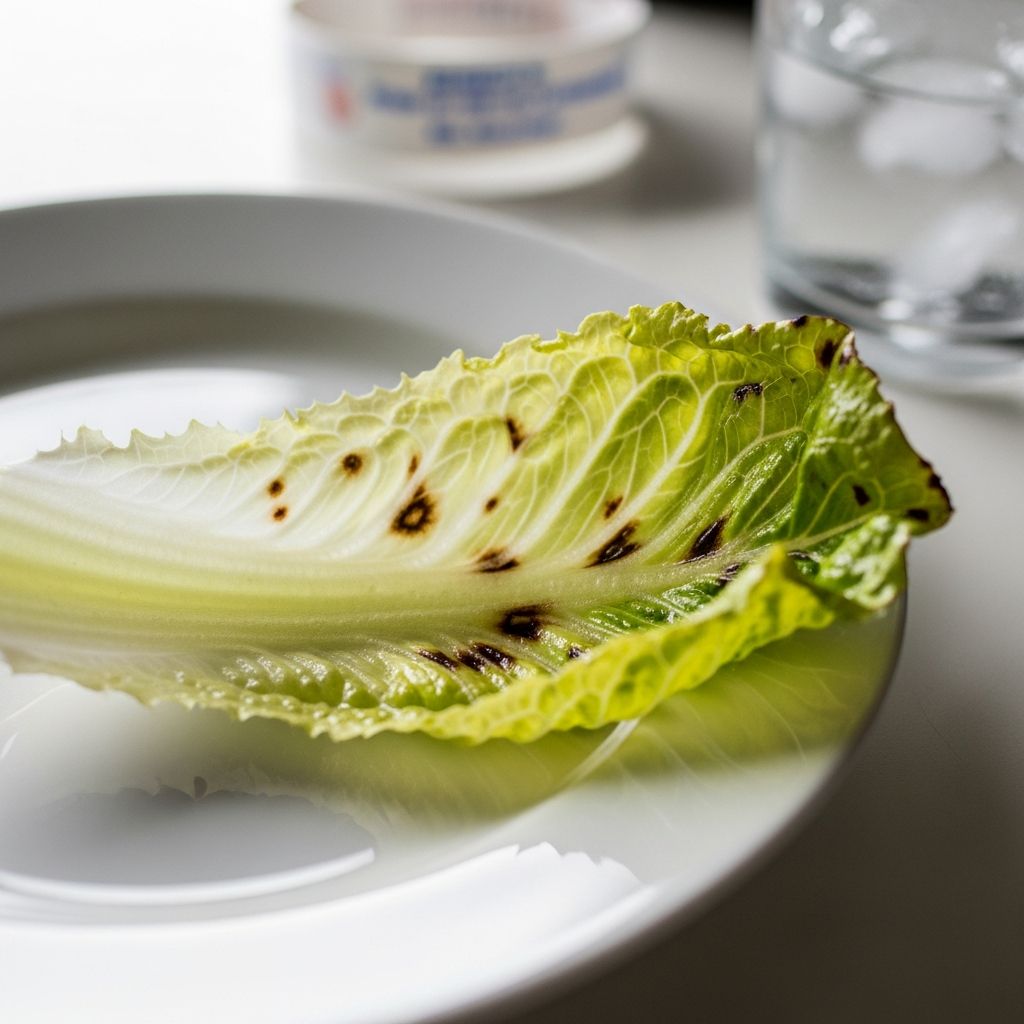
Victims of foodborne illnesses can pursue legal compensation even without hospitalization, as long as they demonstrate negligence, causation, and measurable damages through alternative evidence like medical records and witness statements. This article explores the legal landscape, evidence strategies, and practical steps for building a viable claim.
Understanding Foodborne Illness and Legal Liability
Foodborne illnesses arise from consuming products tainted with bacteria like Salmonella or E. coli, viruses, parasites, or toxins, often due to improper handling, undercooking, or contamination during preparation. Restaurants, grocery stores, and manufacturers owe customers a duty of care to provide safe food, which includes adhering to hygiene standards and storage protocols.
A breach occurs when these entities fail in their responsibilities, such as serving undercooked meat or ignoring expiration dates. To succeed in a claim, plaintiffs must link this breach directly to their symptoms, proving the contaminated food caused the illness via timing of onset matching pathogen incubation periods.
Is Hospitalization a Prerequisite for a Lawsuit?
No, hospitalization is not mandatory to file a food poisoning lawsuit. While severe cases involving dehydration, bloody stools, high fever over 100.4°F, or neurological symptoms often lead to hospital visits for documentation and treatment, milder cases treated at clinics or home can still qualify for compensation.
Medical attention remains crucial regardless, as it generates records confirming the pathogen and ruling out other causes. Urgent care visits provide lab tests like stool samples identifying specific bacteria, strengthening causation arguments without overnight stays.
- Seek prompt evaluation at a doctor’s office or clinic for diagnosis.
- Request stool, blood, or vomit tests to pinpoint the contaminant.
- Document all symptoms, onset time, and consumed foods precisely.
Courts prioritize evidence of harm over treatment venue, allowing claims based on lost wages, medication costs, and pain even from outpatient care.
Essential Evidence to Support Your Claim
Robust proof distinguishes winnable cases. Collect multifaceted documentation linking your illness to the source.
| Evidence Type | Description | Importance |
|---|---|---|
| Medical Records | Diagnosis, lab results, doctor’s notes on pathogens like E. coli | Proves illness existence and food link |
| Purchase Proof | Receipts, credit card statements, photos of packaging | Establishes consumption source and timing |
| Witness Accounts | Statements from diners with similar symptoms or staff on conditions | Corroborates outbreak patterns |
| Health Reports | Department investigations, inspection violations | Demonstrates negligence |
| Financial Docs | Bills, wage statements, expense logs | Quantifies damages |
Preserve leftovers for independent testing, especially in product liability against manufacturers. Recalls or outbreak alerts from agencies bolster claims by showing widespread issues.
Types of Compensation Available
Successful claimants recover economic and non-economic damages. Economic cover tangible losses; non-economic address intangible suffering.
- Medical Expenses: ER fees, doctor visits, tests, prescriptions, even future care for complications like kidney issues.
- Lost Income: Wages from missed work, reduced productivity; self-employed track via logs.
- Pain and Suffering: Compensation for physical discomfort, emotional distress, lifestyle disruptions.
- Other Costs: Transportation to appointments, childcare during recovery, home care aids.
Average settlements vary: minor cases yield $10,000-$50,000; severe with hospitalization exceed $100,000, per case analyses. Multi-victim outbreaks amplify individual awards via pattern evidence.
Steps to Take Immediately After Suspecting Food Poisoning
- Preserve Symptoms Log: Note onset, duration, severity; photograph vomit/stools if safe.
- Seek Medical Help: Visit clinic for testing; inform doctor of suspected source.
- Gather Source Evidence: Save receipts, packaging, menus; identify batch numbers.
- Report Incident: Notify restaurant/manager, local health department promptly for investigation.
- Document Impact: Track daily effects on work, activities; obtain employer letters.
- Consult Attorney: Experienced counsel within statutes (1-3 years typically) to evaluate viability.
Early action prevents evidence degradation and triggers official probes aiding your case.
Proving Negligence in Restaurants vs. Manufacturers
Restaurant claims focus on hygiene lapses like cross-contamination or sick employees. Evidence includes witness statements on unclean conditions or health inspection violations.
Product claims target processing defects; retain packaging for lab analysis matching your pathogen to recalled lots. Expert testimony from epidemiologists explains contamination pathways.
Defendants may argue post-sale mishandling (e.g., improper reheating); counter with precise timelines and lab confirmation.
Challenges in Non-Hospitalized Cases
Without inpatient records, insurers challenge severity, claiming symptoms were minor or unrelated. Overcome by:
- Detailed personal journals correlating meal to illness.
- Cluster evidence from others affected similarly.
- Expert affidavits affirming pathogen-food nexus.
Outbreaks simplify proof via public health data; isolated incidents demand stronger personal evidence.
Common Food Poisoning Pathogens and Incubation
| Pathogen | Common Sources | Incubation (Hours) | Symptoms |
|---|---|---|---|
| Salmonella | Poultry, eggs, produce | 12-72 | Diarrhea, fever, cramps |
| E. coli | Undercooked beef, veggies | 1-10 days | Bloody diarrhea, dehydration |
| Norovirus | Shellfish, salads | 12-48 | Vomiting, nausea |
| Listeria | Dairy, deli meats | Days-weeks | Fever, muscle aches; severe in vulnerable |
Matching symptom onset to these timelines fortifies causation.
Frequently Asked Questions (FAQs)
What if I didn’t see a doctor—can I still sue?
It’s harder without medical proof, but detailed symptom logs, witness corroboration, and expert opinion may suffice for minor claims. Always seek evaluation.
How long after eating can I get sick?
Varies by pathogen: hours for toxins, days for bacteria. Log timing precisely.
Can I sue a grocery store for packaged food?
Yes, if lab tests link product contamination; recalls strengthen cases.
What if multiple people got sick?
Class actions or joint claims amplify leverage via pattern evidence.
Do I need a lawyer for food poisoning claims?
Recommended for complex evidence gathering, negotiations; contingency fees minimize risk.
Long-Term Health Risks and Future Claims
Some recover fully, but others face chronic issues like irritable bowel syndrome or renal damage, justifying future care compensation. Track ongoing symptoms for amended claims.
Children, elderly, pregnant individuals face heightened risks, potentially increasing awards.
References
- Compensation for Food Poisoning Without a Hospital Visit? — OFT Food Safety & Injury Lawyers. 2023. https://www.oftlaw.com/blog/can-i-get-compensation-for-food-poisoning-if-i-didnt-go-to-the-hospital/
- Suing for Food Poisoning in Pennsylvania: Proving Your Case — Brandon J. Broderick. 2024. https://www.brandonjbroderick.com/pennsylvania/suing-food-poisoning-pennsylvania-proving-your-case
- Navigating Personal Injury Claims for Food Poisoning Cases — Emerson Straw. 2023. https://emersonstraw.com/blog/navigating-personal-injury-claims-for-food-poisoning-cases/
- How Do You Win a Food Poisoning Lawsuit? — Huffman & Huffman. 2024. https://www.huffmanhuffman.com/blog/personal-injury/how-do-you-win-a-food-poisoning-lawsuit/
- Food Poisoning Lawsuit Guide — TorHoerman Law. 2024. https://www.torhoermanlaw.com/can-you-sue-for-food-poisoning/
- Food Poisoning at a Restaurant or Grocery Store? You May Be Able… — Shouse Law Group (YouTube Transcript). 2023. https://www.youtube.com/watch?v=zVC0DHyj1x8
Similar Articles








Read full bio of medha deb




