
When To Get A Flu Shot: Expert Timing Guide For 2025 Protection
Discover optimal flu vaccination windows, why late shots still protect, and legal protections for health choices during flu season.
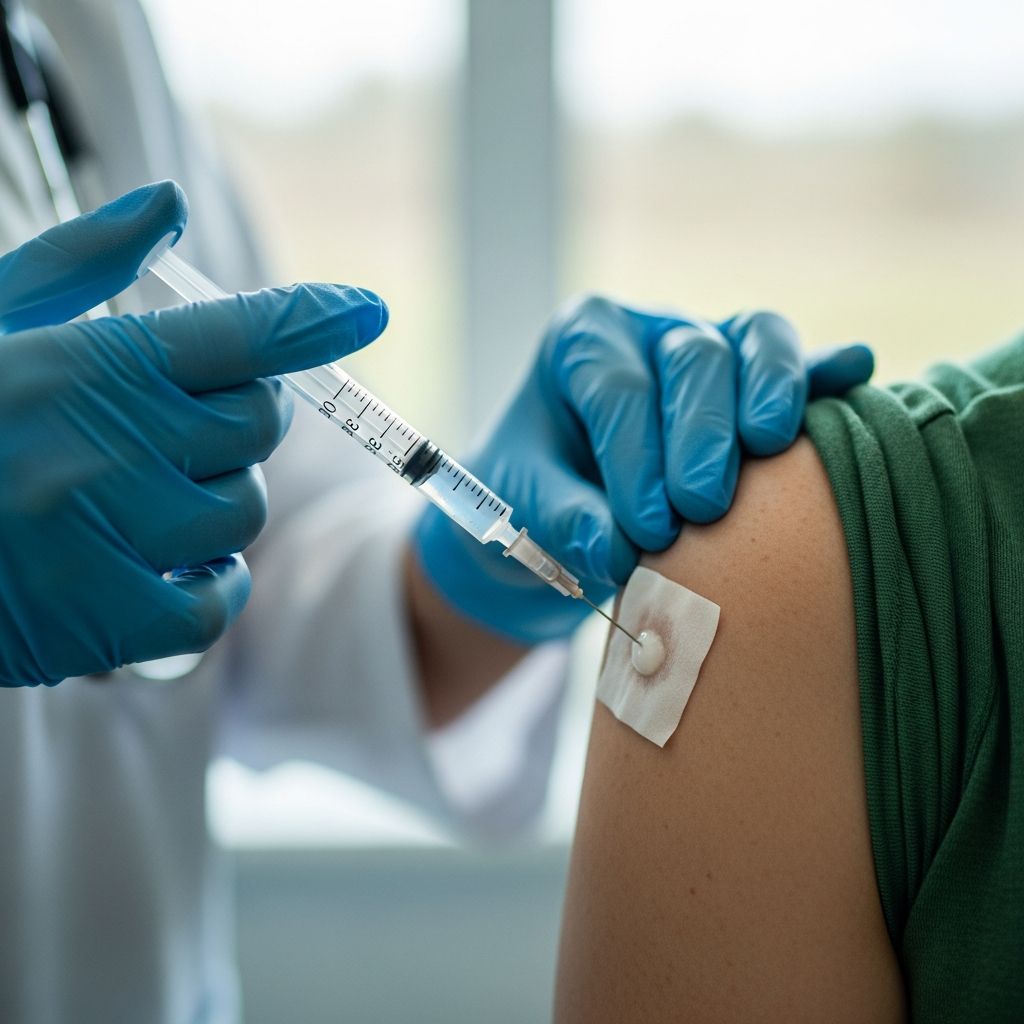
Influenza remains a significant public health concern annually, affecting millions and leading to numerous hospitalizations. Understanding when to get vaccinated is crucial for personal and community protection. While early fall is ideal, vaccination benefits persist throughout the season.
Understanding Flu Season Dynamics
Flu season in the United States typically spans from October to May, with peak activity occurring between December and February. This variability means protection timing must align with local circulation patterns. The influenza virus doesn’t adhere to a rigid calendar, allowing for flexible vaccination strategies.
Factors influencing season length include regional weather, travel patterns, and viral strains. For instance, southern states may see earlier onsets, while northern areas experience prolonged activity into spring. Monitoring local health department reports helps tailor personal vaccination decisions.
Optimal Vaccination Windows Explained
The Centers for Disease Control and Prevention (CDC) recommends receiving the flu vaccine by the end of October. This timing allows approximately two weeks for the body to develop full immunity, coinciding with rising flu cases.
- Late September to Early October: Provides peak coverage through winter highs, minimizing immunity waning.
- Mid-October Deadline: Ensures protection before widespread transmission.
- Avoid July-August for Most: Immunity may decline by peak season, except for specific groups like young children needing two doses.
For older adults, late September shots optimize long-term efficacy, as protection can diminish over months.
Benefits of Early Vaccination
Early shots build antibodies before exposure risks escalate. This is particularly vital for high-risk populations, including seniors over 65, pregnant individuals, and those with chronic conditions. Studies show vaccinated individuals experience milder symptoms and reduced hospitalization rates.
| Group | Recommended Timing | Key Benefit |
|---|---|---|
| Adults 65+ | Late Sept/Early Oct | Sustained protection against severe outcomes |
| Children <9 (first vaccine) | As soon as available | Two-dose schedule completion |
| Pregnant Women | Any trimester, early ok | Protects mother and newborn |
| General Population | By end of Oct | Aligns with season start |
Is Late Vaccination Still Worth It?
Absolutely. Even in January or later, shots offer substantial benefits if flu circulates locally. The vaccine targets multiple strains, providing defense against ongoing threats. Late recipients often avoid illness during secondary waves or report less severe cases.
CDC emphasizes: as long as viruses are active and vaccines available, vaccination reduces risks of complications, even post prior infection. Providers continue offering shots through May in many areas.
Effectiveness of Flu Vaccines Over Time
Flu vaccines are trivalent or quadrivalent, matching predicted strains. Efficacy ranges from 40-60% in good match years, significantly lowering severe disease odds. Immunity wanes gradually, but late shots still confer 2-3 months of robust protection during remaining season peaks.
- Prevents infection in ~50% of cases.
- Reduces hospitalization by 40%.
- Lowers mortality risk in vulnerable groups.
For travelers, late shots are essential due to year-round global flu activity.
High-Risk Groups and Special Considerations
Certain populations benefit most from prompt or flexible vaccination:
- Seniors: High-dose or adjuvanted vaccines recommended for enhanced response.
- Children: Annual shots from 6 months; two doses if naive.
- Healthcare Workers: Protect patients by vaccinating early.
- Chronic Illness Patients: Flu exacerbates conditions like asthma, diabetes.
Pregnant women safe anytime; nasal spray options for 2-49 year olds without contraindications.
Overcoming Common Vaccination Barriers
Myths deter many: “I never get flu” or “Vaccine causes flu.” Reality: Vaccines can’t cause influenza (inactivated or recombinant). Side effects mild, like soreness. Access issues? Pharmacies, workplaces, clinics abound.
Cost rarely a barrier; most insurance covers, including Medicare. Free clinics via health departments for uninsured.
Workplace and Legal Protections for Flu Shots
Employers may mandate shots for safety, but accommodations exist under ADA for medical/religious exemptions. Refusal without exemption risks unpaid leave during outbreaks. OSHA guidelines prioritize worker health, supporting vaccination programs.
Schools often require proof for attendance; non-compliance leads to exclusion policies. Parents should check state laws varying by region.
Frequently Asked Questions
Can I get a flu shot if I’ve already had the flu this season?
Yes, vaccines protect against multiple strains; prior illness doesn’t confer full immunity.
Is it safe to get a flu shot in February?
Yes, flu persists into spring; late shots reduce remaining risks.
What if I’m allergic to eggs?
Egg-free options like recombinant vaccines available.
Do I need a flu shot every year?
Yes, due to strain changes and waning immunity.
Can children get the nasal spray vaccine?
Approved for ages 2-49 without high-risk conditions.
Steps to Get Vaccinated Today
1. Check local pharmacy stock via apps.
2. Consult doctor for high-risk advice.
3. Verify insurance coverage.
4. Monitor CDC flu tracker for activity.
5. Encourage family vaccination.
Community-wide uptake lowers transmission, protecting even unvaccinated via herd immunity.
References
- When Should I Get My Flu Shot? A Guide for Older Adults — National Council on Aging. 2023. https://www.ncoa.org/article/when-should-i-get-my-flu-shot-a-guide-for-older-adults/
- Is It Too Late to Get a Flu Shot? — GoodRx. 2024-10-15. https://www.goodrx.com/conditions/flu-vaccination/is-it-too-late-to-get-a-flu-shot
- Is it too late to get a flu shot this season? — Tufts Medicine. 2024. https://www.tuftsmedicine.org/about-us/news/it-too-late-get-flu-shot-season-what-know-during-flu-surge
- Is It Too Late for the Flu Vaccine? — Nemours KidsHealth. 2023. https://kidshealth.org/en/parents/late-flu-shot.html
- How Late Before it’s too Late to Get a Flu Shot? — Catholic Health. 2023. https://www.chsbuffalo.org/blog/too-late-flu-shot/
- It’s Not Too Late to Get the Flu Shot — Georgia Coastal Health District. 2023. https://coastalhealthdistrict.org/5675-2/
- Who Needs a Flu Vaccine — Centers for Disease Control and Prevention (CDC). 2025-08-01. https://www.cdc.gov/flu/vaccines/vaccinations.html
Similar Articles








Read full bio of medha deb




