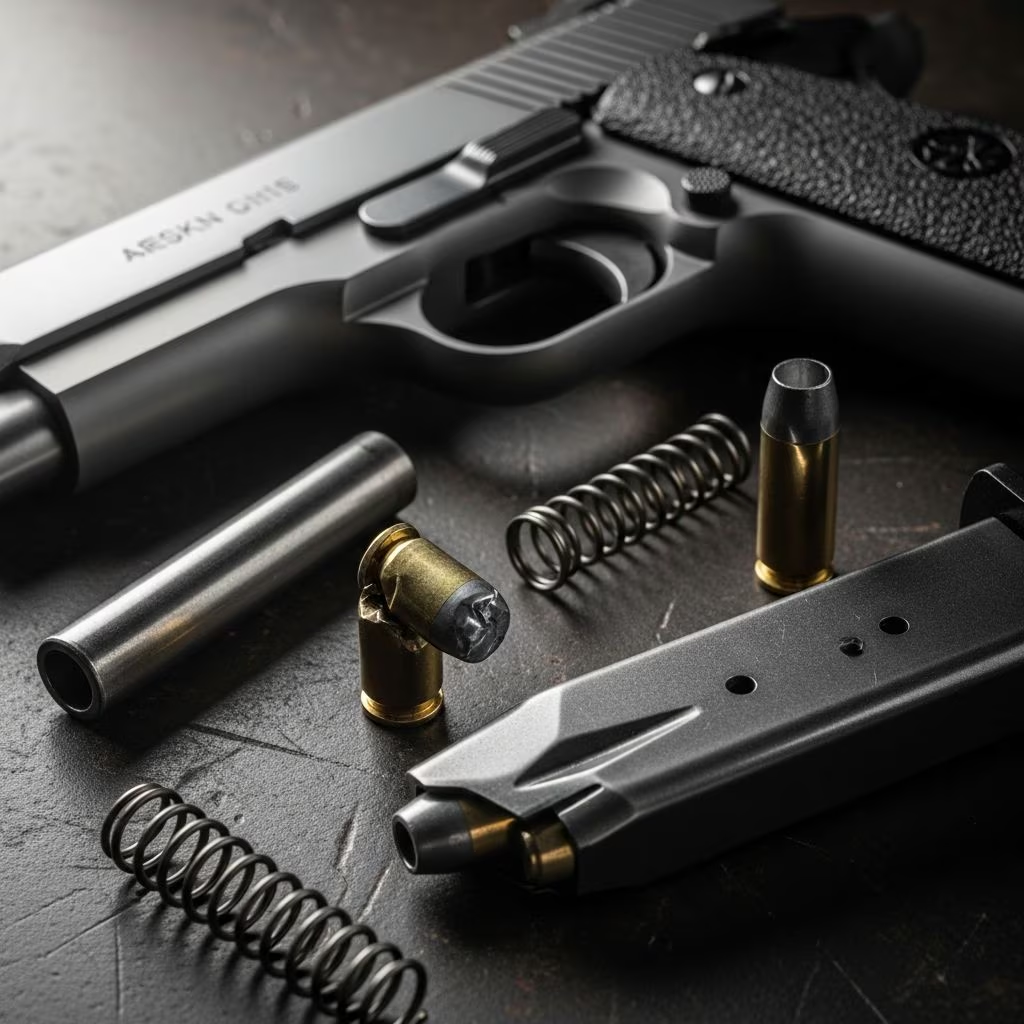
Firearms are engineered for reliability, yet malfunctions occur due to mechanical wear, ammunition flaws, or operator errors. These disruptions can range from minor inconveniences to life-threatening emergencies, potentially leading to severe injuries or legal complications. Understanding these issues empowers owners to respond effectively and minimize harm.
Understanding Why Guns Malfunction
Gun failures stem from three primary sources: mechanical degradation, user-induced problems, and defective cartridges. Mechanical issues arise when components like springs weaken or dirt accumulates, impeding smooth operation. User errors, such as inadequate grip or improper handling, disrupt the recoil cycle essential for semi-automatic function. Ammunition defects, including faulty primers or underpowered loads, further exacerbate risks. Regular inspection and maintenance are crucial to mitigate these factors.
Critical Malfunction Types and Fixes
Recognizing and addressing malfunctions swiftly is key to safety. Below, we detail prevalent issues, their symptoms, causes, and step-by-step remedies.
1. No Bang: Failure to Fire
This occurs when the trigger pull yields only a click, with no discharge. Causes include dud primers, light strikes from worn firing pins, or improper round seating. Keep the muzzle pointed safely for at least 60 seconds to account for hang fires—delayed ignitions. Tap the firearm’s base firmly (function check), rack the slide to eject the faulty round, and chamber a fresh one. Persistent issues signal deeper mechanical faults requiring professional service.
2. Stuck Casing: Failure to Eject (Stovepipe)
A spent casing rises vertically, blocking the ejection port—like a pipe in a stove. Limp wristing (weak grip), dirty extractors, or weak recoil springs contribute. Perform a tap-rack-bang drill: tap the magazine base, rack the slide forcefully to clear the obstruction, then assess and fire if safe. Cleanliness and firm grip prevent recurrence.
3. Round Refusal: Failure to Feed
The top round fails to chamber, often jamming against the barrel hood. Magazine spring weakness, rough feed ramps, or mismatched ammo are culprits. Remove the magazine, rack the slide multiple times to clear, reload with quality ammunition, and reinsert. Test with different ammo to isolate the issue.
4. Double Trouble: Double Feeds
Two rounds attempt chambering simultaneously, stalling the action. Faulty magazines, sticky extractors, or excess lubrication cause this. Lock the slide back, remove the magazine, depress the slide stop to let rounds drop free, then reload singly. Inspect magazines for damage.
5. Silent Bullet: Squib Loads
The most perilous failure—a projectile lodges in the barrel after partial powder burn, unseen. Firing again builds catastrophic pressure, risking barrel rupture and shrapnel injuries. Listen for weak reports or recoil; never fire again without visual barrel inspection using a flashlight or rod. Cease shooting immediately and disassemble safely.
6. Unintended Shots: Slam-Fire and Hammer FollowThe gun discharges without trigger input, often from bolt slamming a round or worn disconnectors. This can lead to out-of-control firing or unsafe muzzle direction. Halt all action, unload fully, and seek gunsmith repair. Newer firearms aren’t immune; test-fire cautiously.Quick Diagnostic Table
| Symptom | Possible Cause | Immediate Action |
|---|---|---|
| Click, no fire | Dud primer/light strike | Wait 60s, tap-rack-bang |
| Casing upright in port | Stovepipe/limp wrist | Tap magazine, rack slide |
| Round noses against barrel | Feed failure | Strip magazine, clear chamber |
| Two rounds jamming | Double feed | Lock slide, remove mag/rounds |
| Weak pop, no recoil | Squib load | STOP! Inspect barrel |
| Fires without trigger | Slam-fire | Unload, inspect mechanism |
This table provides at-a-glance troubleshooting for range or defensive scenarios.
Preventing Malfunctions Through Maintenance
Proactive care averts most issues. Disassemble post every 500 rounds: scrub bore, feed ramp, and chamber with solvent; lubricate sparingly; replace springs every 3,000-5,000 cycles. Store ammo dry, avoiding reloaded or surplus unless vetted. Grip firmly during firing—’limp wristing’ plagues novices. Dry-fire practice builds muscle memory without wear.
- Cleaning Kit Essentials: Bore snake, brushes, patches, CLP solvent.
- Inspection Points: Extractor claws, magazine lips, recoil springs.
- Ammo Selection: Match factory loads to firearm specs; avoid +P in non-rated guns.
The Injury Toll of Gun Malfunctions
Beyond jams, failures injure via explosions (squibs), unintended discharges (slam-fires), or user panic. Barrel bursts propel fragments at lethal speeds; out-of-battery detonations mimic grenades. U.S. Consumer Product Safety Commission data logs thousands of annual firearm-related ER visits, many malfunction-tied. Victims suffer lacerations, fractures, vision loss, or worse.
Long-term, survivors face nerve damage, PTSD, or disability. Children and bystanders amplify tragedy—secure storage is non-negotiable.
Legal Recourse for Malfunction Injuries
Injury from defective guns or ammo opens liability doors. Product liability claims target manufacturers for design flaws (e.g., weak extractors) or failures to warn. Negligence suits hit ranges or instructors for poor training. Evidence is pivotal: photos, witness accounts, expert ballistics reports. Statutes of limitations vary—consult counsel promptly. Settlements cover medicals, lost wages, pain.
Defenses invoke misuse, but proven defects shift blame. Recall histories bolster cases; track via CPSC.
Training and Best Practices
Enroll in NRA or USCCA courses emphasizing malfunction drills. Range time hones tap-rack-bang under stress. Buddy systems catch errors. For concealed carry, prioritize compact pistol reliability tests.
- Practice ‘speed reloads’ post-clearance.
- Simunition training mimics real failures safely.
- Annual gunsmith checks for high-use arms.
Frequently Asked Questions (FAQs)
What should I do first during any malfunction?
Keep the muzzle pointed in a safe direction, remove finger from trigger, and assess without panic.
How do I spot a squib load quickly?
Note abnormal light report, minimal recoil, or smoke from chamber—never rechamber without barrel check.
Can reloaded ammo cause more malfunctions?
Yes, inconsistent charges risk squibs or weak cycling; stick to commercial for reliability.
Is limp wristing only a beginner issue?
No, fatigue or injury affects anyone; maintain two-handed, high grip always.
When to retire a firearm after repeated jams?
If cleaning/ammo swap fails thrice, professional inspection—don’t risk lives.
Advanced Troubleshooting for Experts
Chronograph ammo for velocity; under 800 fps flags squib risk. Microscope extractor wear. Torque specs on recoil springs prevent binding. Custom mags solve feeding quirks in competition guns.
For AR platforms, gas system tweaks cure overgassing-induced stovepipes. Suppressors demand hotter loads to cycle reliably.
Emerging Tech in Firearm Safety
Smart guns with chamber sensors alert via app to squibs or unloaded states. Biometric triggers cut unintended fires. AI diagnostics in ranges flag patterns pre-failure. Adoption lags, but innovation promises safer ownership.
References
- 6 Types of Handgun Malfunctions and How to Troubleshoot Them — Wing Tactical. 2023-05-15. https://www.wingtactical.com/blog/6-types-of-handgun-malfunctions-and-how-to-troubleshoot-them/
- How to Fix 4 Common Gun Malfunctions Fast — Blue Alpha Belts. 2024-02-20. https://www.bluealphabelts.com/how-to-fix-4-common-gun-malfunctions/
- Firearm malfunction — Wikipedia (citing primary firearm safety standards). 2025-10-01. https://en.wikipedia.org/wiki/Firearm_malfunction