
Felons and Muzzleloaders: Legal Rights Explained
Navigate the complex laws on felons owning and using muzzleloading firearms across U.S. states and federal guidelines.
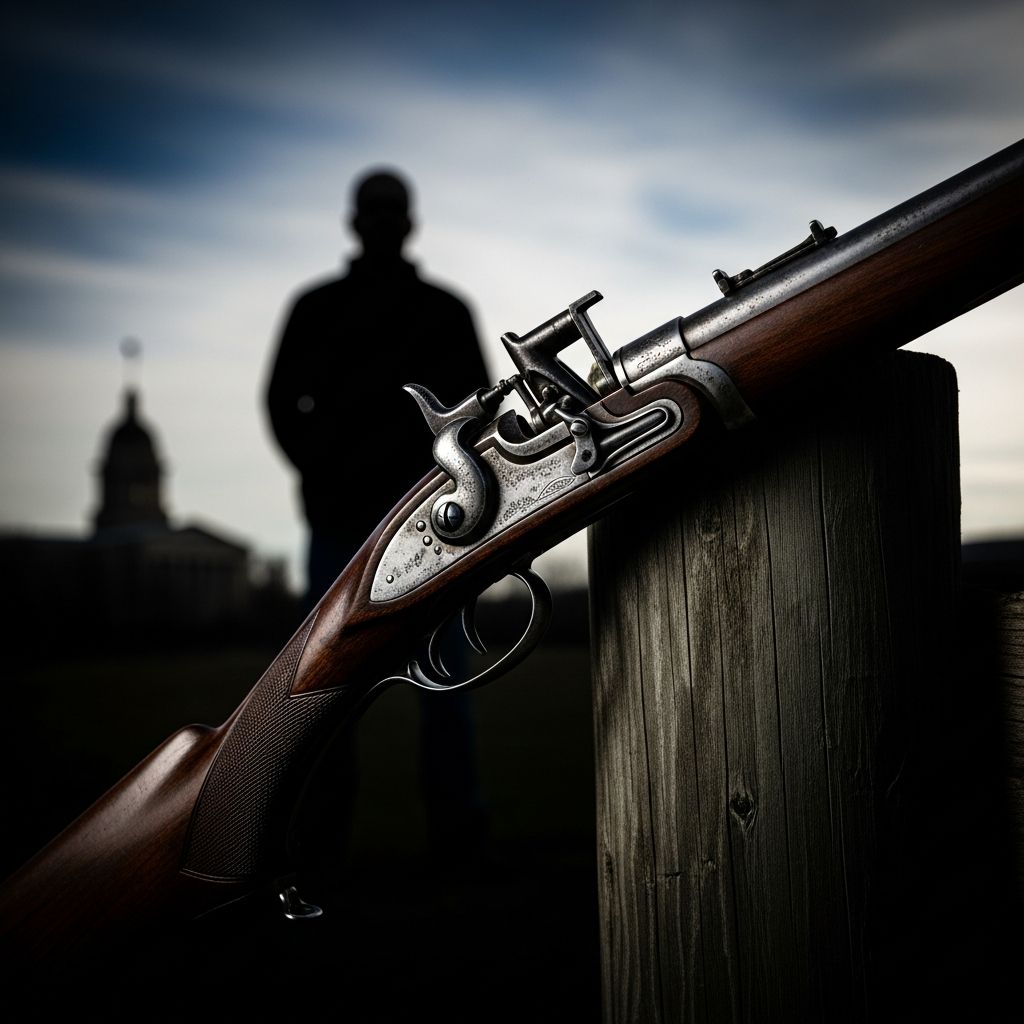
Convicted felons face significant restrictions on firearm possession under U.S. law, but muzzleloading guns—often powered by black powder—present unique considerations. Federal statutes provide exemptions for certain antique types, yet state regulations create a patchwork of rules that demand careful navigation. This article delves into the distinctions, offering clarity on ownership, hunting, and pathways to regain rights.
Understanding Federal Firearm Prohibitions for Felons
The foundation of felon firearm restrictions stems from the Gun Control Act of 1968 (GCA), which bars individuals with felony convictions from possessing or receiving most firearms and ammunition. This prohibition targets ‘prohibited persons,’ a category that includes felons, to promote public safety.
However, the GCA carves out exceptions for antique firearms, defined in 18 U.S.C. § 921(a)(16). These include muzzleloading rifles, shotguns, or pistols designed for black powder or substitutes that cannot use fixed ammunition. Such weapons fall outside the standard ‘firearm’ definition, potentially allowing felon possession if they strictly meet criteria.
Not all muzzleloaders qualify. The Bureau of Alcohol, Tobacco, Firearms and Explosives (ATF) classifies some modern replicas or those with convertible features—like replaceable barrels or frames from conventional guns—as regulated firearms. Prohibited persons cannot acquire these from licensed dealers, who must conduct background checks via ATF Form 4473 and the National Instant Criminal Background Check System (NICS).
| Category | Federal Status for Felons | Key Criteria |
|---|---|---|
| Standard Firearms | Prohibited | Uses fixed ammunition |
| Antique Muzzleloaders | Permitted | Black powder only, no fixed ammo capability |
| Modern Replicas/Converts | Prohibited | ATF-classified as firearms |
This table summarizes core federal distinctions, emphasizing the need to verify a muzzleloader’s classification before possession.
State Variations in Muzzleloader Regulations
While federal law sets a baseline, states hold authority to impose stricter controls, leading to diverse outcomes for felons and muzzleloaders. Some align with federal exemptions; others treat all muzzleloaders as firearms.
- Texas: Aligns closely with federal law, exempting antique black powder guns from the ‘firearm’ definition under state statutes. Felons may possess qualifying muzzleloaders.
- California: Enforces broad prohibitions; felons cannot possess muzzleloaders without rights restoration, viewing them as firearms regardless of type.
- Ohio: Classifies all muzzleloaders as firearms, barring felons even if federally exempt.
- Florida: Permits antique muzzleloaders for felons whose civil rights are restored; modern ones remain off-limits.
- Colorado: Federal exemptions may apply, but local rules require verification; possession often feasible for antiques.
- Oklahoma: Treats modern muzzleloaders as firearms, prohibiting felon use without clear antique exemptions.
These examples highlight the necessity of state-specific research. A muzzleloader legal in one jurisdiction could trigger felony charges in another.
Hunting with Muzzleloaders: Felon Considerations
Muzzleloader hunting seasons attract enthusiasts for their traditional appeal, but felons must confirm legality beyond ownership. Federal public lands follow GCA rules, allowing antique use, but state wildlife agencies enforce additional restrictions.
In permissive states like Texas, felons can hunt with qualifying black powder arms during designated seasons. Conversely, strict states like California ban participation outright. Even where permitted, hunters need valid licenses, which felonies may complicate.
Safety protocols remain universal: proper loading, ventilation, and adherence to bag limits. Felons should document their weapon’s antique status to avoid enforcement errors during field checks.
Pathways to Restore Firearm Rights
Felons seeking broader access pursue rights restoration, varying by jurisdiction. Federal bans persist unless convictions are pardoned, expunged, or civil rights reinstated without firearm caveats.
State processes include:
- Automatic restoration post-sentence for non-violent felonies in some areas.
- Petitions to courts or governors, requiring waiting periods, fees, and good conduct proof.
- Pardons, which may lift federal prohibitions if explicit.
For example, North Carolina allows restoration for non-violent felons via statutory processes under N.C. Gen. Stat. §§ 14-404 and others, provided no ongoing prohibitions apply. Success reinstates hunting and ownership rights, but interstate travel with firearms demands reciprocity checks.
Alternatives for Felons in Hunting and Sport Shooting
Where muzzleloaders are inaccessible, felons explore non-firearm options:
- Bow and Arrow: Widely permitted; compound, recurve, or longbows suit big game.
- Crossbows: Legal in most states for hunting, offering accuracy for those with physical limitations.
- Air Rifles/Pneumatics: High-powered models rival muzzleloaders for small game, exempt from GCA.
- Atlatls/Spears: Primitive tools legal in select seasons, preserving traditional ethos.
These maintain outdoor engagement without legal risks, often with dedicated seasons.
Practical Advice for Compliance and Risk Avoidance
To stay lawful:
- Consult ATF classifications for specific models.
- Review state statutes via official wildlife or justice department sites.
- Secure written legal opinions from attorneys specializing in firearms law.
- Avoid possession near prohibited items like fixed ammunition.
- Carry documentation of antique status during use.
Enforcement varies; what one officer deems compliant, another may not. Ignorance offers no defense against possession charges, which carry severe penalties including extended incarceration.
Frequently Asked Questions (FAQs)
Can felons own black powder muzzleloaders federally?
Yes, if classified as antiques under 18 U.S.C. § 921(a)(16)—black powder only, no fixed ammo. Modern replicas often do not qualify.
Does every state allow felons to hunt with muzzleloaders?
No; permissions depend on state law. Texas permits antiques, while California prohibits all.
How do felons restore gun rights?
Through pardons, expungements, or state restoration petitions post-sentence. Processes vary widely.
Are there safe hunting alternatives for felons?
Yes, bows, crossbows, and air rifles are typically allowed across states.
What if a muzzleloader can convert to fixed ammo?
It is considered a firearm under ATF rules, prohibiting felon possession.
References
- Legal FAQs: Can a person with a felony conviction own a black powder gun? — State Law Library of Texas. Accessed 2026. https://www.sll.texas.gov/faqs/black-powder-gun-felony/
- Can a Felon Hunt with a Muzzleloader? Understanding the Legal Landscape — BattlBox. Accessed 2026. https://www.battlbox.com/blogs/hunting/can-a-felon-hunt-with-a-muzzleloader-understanding-the-legal-landscape
- Top 10 Frequently Asked Firearms Questions and Answers — Bureau of Alcohol, Tobacco, Firearms and Explosives (ATF). 2016 (authoritative ATF guidance). https://www.atf.gov/media/25456/download
- Can I Own or Possess a Firearm If I’ve Been Convicted of a Felony? — King Law Offices. Accessed 2026. https://kinglawoffices.com/blog/can-i-own-or-possess-a-firearm-if-ive-been-convicted-of-a-felony
Similar Articles








Read full bio of medha deb




