
Faith Healers and Criminal Accountability
Exploring when spiritual healing practices lead to criminal charges, balancing religious freedom with child welfare and public safety.
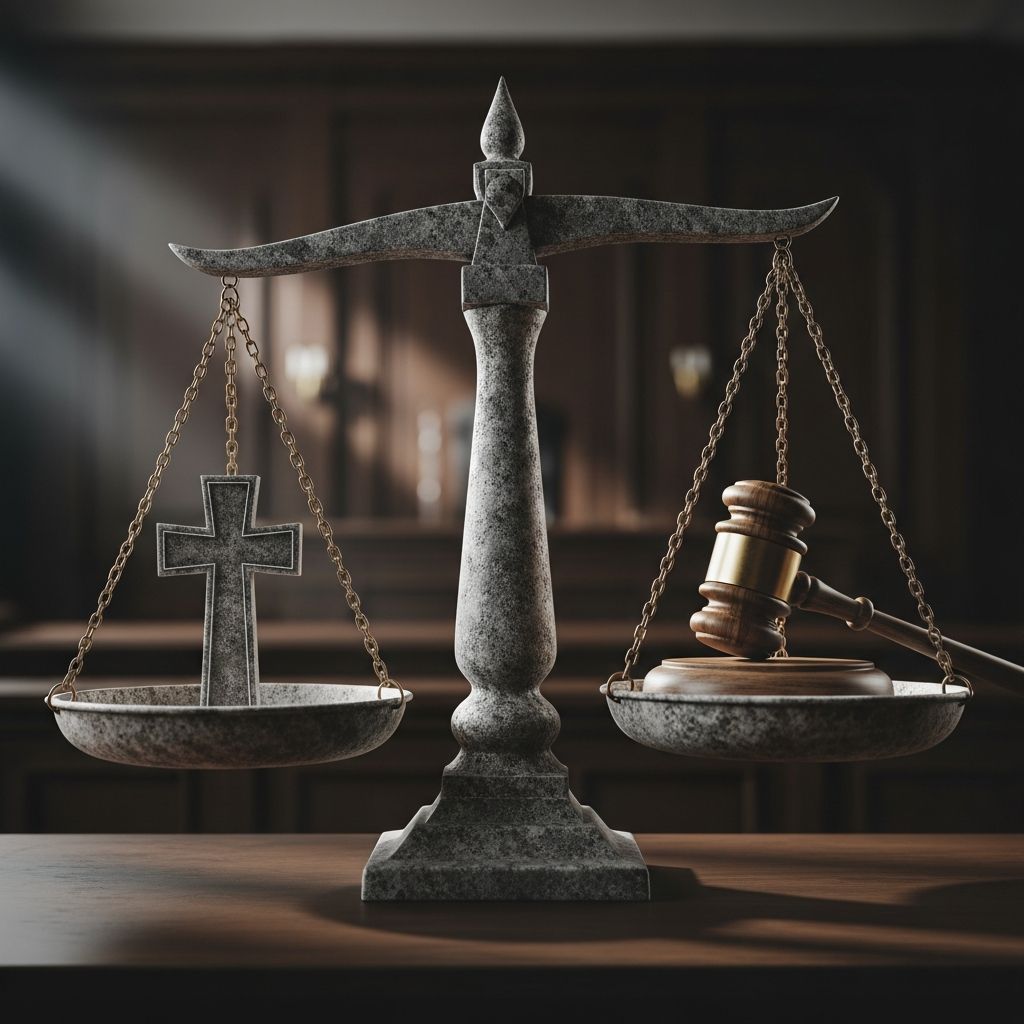
Faith healing, the practice of invoking spiritual intervention to cure illnesses, occupies a contentious space in modern legal systems. While rooted in deeply held religious convictions, it frequently collides with state mandates for medical care, particularly when vulnerable individuals like children suffer harm. Courts must navigate First Amendment protections for religious exercise against compelling interests in public health and child safety. This article dissects the potential for criminal charges against faith healers, highlighting pivotal precedents, statutory frameworks, and ongoing debates.
Historical Roots of Faith Healing Conflicts
The tension between spiritual remedies and legal accountability dates back over a century. Early 20th-century cases established foundational distinctions between pure prayer-based healing and actions resembling unlicensed medicine. For instance, courts differentiated faith practitioners who relied solely on prayer from those incorporating physical remedies, which triggered medical licensing requirements.
In landmark rulings, judges ruled that exclusive use of prayer constituted religious practice, exempt from physician licensure laws. However, any deviation—such as diagnosing conditions, charging fees, or applying herbal concoctions—reclassified the activity as medical practice, subjecting healers to criminal penalties for operating without credentials. This binary framework persists, influencing prosecutions today.
Distinguishing Religious Practice from Medical Intervention
Central to liability is whether a faith healer’s methods cross into regulated territory. Pure spiritual ministration, involving only prayer and faith, typically shields practitioners from unlicensed practice charges. Courts emphasize that such acts embody free exercise of religion, not professional healthcare delivery.
Conversely, combining prayer with tangible treatments invites scrutiny. Historical examples include cases where healers used patented medicines or homemade liniments alongside invocations, leading to convictions for practicing medicine without a license. Appellate decisions affirmed that these hybrids exceed religious bounds, mandating compliance with state medical boards. Modern interpretations similarly probe for diagnostic language or fee structures that mimic clinical services.
- Pure faith healing: Prayer alone – generally protected.
- Hybrid approaches: Prayer + physical aids – risks unlicensed practice charges.
- Diagnostic elements: Identifying symptoms as disease – treated as medical diagnosis.
Criminal Risks for Parents Choosing Faith Over Medicine
Parents forgoing conventional treatment for children in favor of spiritual healing face heightened scrutiny. All states criminalize child neglect or endangerment, but until recent reforms, many offered religious exemptions shielding faith-based decisions from prosecution—even fatal ones.
Pre-1974, few statutes explicitly excused faith healing in neglect cases. Federal incentives via the Child Abuse Prevention and Treatment Act (CAPTA) prompted 47 states to adopt exemptions by 1990, tying funding to such provisions. These clauses often absolved parents who provided ‘spiritual treatment’ through accredited practitioners, regardless of outcomes.
High-profile tragedies spurred backlash. In Wisconsin, parents convicted of reckless homicide after their diabetic daughter’s death from untreated illness highlighted exemption flaws. Oregon saw acquittals turned convictions on lesser charges when faith healing failed a toddler.
Key Court Cases Shaping Prosecutions
Judicial precedents illustrate evolving standards. In Employment Division v. Smith (1990), the U.S. Supreme Court clarified that neutral, generally applicable laws—like child neglect statutes—do not violate Free Exercise unless targeting religion specifically. This curtailed defenses relying solely on spiritual beliefs.
| Case | Jurisdiction | Outcome | Key Holding |
|---|---|---|---|
| Wisconsin v. Parents (Diabetic Child) | Wisconsin | Guilty: Reckless Homicide | Exemption did not cover death-causing neglect |
| Oregon Followers of Christ Case | Oregon | Mixed: Acquittal on Manslaughter, Conviction on Mistreatment | No exemption for fatal outcomes post-1998 reforms |
| Crane v. Faith Healer | General Precedent | No Licensing Required | Prayer alone is religion, not medicine |
| People v. Vogelgesang | New York | Guilty: Unlicensed Practice | Patent meds + prayer = medicine |
These rulings underscore case-by-case fact-finding: juries assess if ‘faith healing’ masks neglect or unlicensed practice.
State Variations in Religious Exemptions
Exemption landscapes differ sharply. By the 1980s, most states rewarded CAPTA compliance with broad shields, but post-1983 federal changes and child death scandals prompted repeals. Massachusetts eliminated its clause after a Supreme Court ruling deemed it unconstitutionally vague for implying immunity from homicide liability.
Oregon’s pre-1998 blanket protection for manslaughter evaporated amid Followers of Christ fatalities. Today, remaining exemptions are narrower, often limited to non-life-threatening conditions or requiring court intervention. No state fully immunizes parents from prosecution if spiritual choices cause death.
- Repealed states (e.g., Oregon, Massachusetts): Full criminal exposure.
- Retained but limited: Apply only to minor ailments.
- Federal overlay: CAPTA now conditions funds on reporting faith neglect as abuse.
Constitutional Tensions and Free Exercise Limits
The First Amendment protects beliefs but not actions endangering others. Smith established that child welfare laws apply neutrally, overriding religious objections unless statutes discriminate. Public health precedents, like Jehovah’s Witnesses’ blood transfusion refusals, affirm state’s parens patriae role over minors.
Scholars argue exemptions undermine child protections, rewarding lethal dogma with impunity. Policymakers face pressure to standardize: fully repeal for equity or refine for constitutionality.
Liability Frameworks for Faith Healers
Beyond parents, practitioners risk charges. Negligence suits falter if no medical duty exists, but criminal unlicensed practice thrives on hybrid methods. Proposals advocate tort standards akin to drugless healers (e.g., chiropractors), imposing care duties where expertise is claimed.
Fact-specific inquiries dominate: Does the healer diagnose? Charge fees? Use remedies? Affirmative answers trigger liability. Ethical healers document spiritual-only approaches to mitigate risks.
Modern Challenges and Policy Reforms
Contemporary cases, like Tennessee’s neglect prosecution of a minister advising against tumor treatment, test boundaries. Groups like Followers of Christ persist, prompting calls for federal intervention.
Healthcare providers must report suspected faith neglect. Policymakers debate: enhance exemptions for adult autonomy or prioritize child mandates? Data shows faith healing yields worse pediatric outcomes, fueling abolition movements.
Frequently Asked Questions (FAQs)
Can faith healers be prosecuted for unlicensed medical practice?
Yes, if they diagnose, prescribe remedies, or charge fees beyond pure prayer, courts treat it as medicine requiring licensure.
Do religious exemptions protect parents whose child dies from untreated illness?
No, most states have repealed or limited such shields; neutral neglect laws apply regardless of faith.
What role does the First Amendment play?
It safeguards beliefs but not harmful actions; Smith (1990) permits prosecution under general welfare statutes.
Have states reformed exemption laws due to child deaths?
Yes, reforms in Oregon, Massachusetts, and others followed fatalities, narrowing or eliminating protections.
Are faith healers civilly liable for bad outcomes?
Rarely, absent medical claims; courts view prayer as religion, not negligence.
Broader Implications for Religious Freedom
(Expanded discussion: Balancing act continues. While adults may choose spiritual paths, minors invoke state intervention. Future litigation may challenge remnants under equal protection, arguing disparate impacts on faith communities. Legislative trends favor child safety, with CAPTA evolutions mandating neglect classifications. Ethical healers adapt by disclaiming medical roles explicitly. Public discourse weighs tolerance against preventable tragedy, urging informed consent and oversight without infringing core tenets.)
This comprehensive view reveals faith healing’s legal peril: profound freedoms tempered by accountability imperatives. As cases accumulate, clarity emerges—spiritual solace cannot eclipse evidence-based care duties.
References
- In God We Trust: Faith Healing Subject to Liability — Journal of Contemporary Health Law and Policy. 1998. https://scholarship.law.edu/cgi/viewcontent.cgi?article=1341&context=jchlp
- Criminal Liability in Faith Healing — Minnesota Law Review. 1955. https://scholarship.law.umn.edu/cgi/viewcontent.cgi?article=1913&context=mlr
- Faith Healing and the Law — Pew Research Center. 2009-08-31. https://www.pewresearch.org/religion/2009/08/31/faith-healing-and-the-law/
- The Constitutionality of Spiritual Healing Exemptions to Child Medical Neglect Laws — Journal of Law and Politics, University of Richmond. 2004. https://scholarship.richmond.edu/cgi/viewcontent.cgi?article=1150&context=jolpi
- Thorny Legal Issues in Faith Healing Cases — CBS News. 2009-05-11. https://www.cbsnews.com/news/thorny-legal-issues-in-faith-healing-cases/
- Faith-Based Medical Neglect: for Providers and Policymakers — PMC/NCBI. 2020. https://pmc.ncbi.nlm.nih.gov/articles/PMC7545013/
Similar Articles








Read full bio of Sneha Tete




