
Estate Planning for Digital Assets: Trusts Essentials
Secure your online presence after death: Why trusts are vital for websites, social media, and digital legacies in modern estate planning.
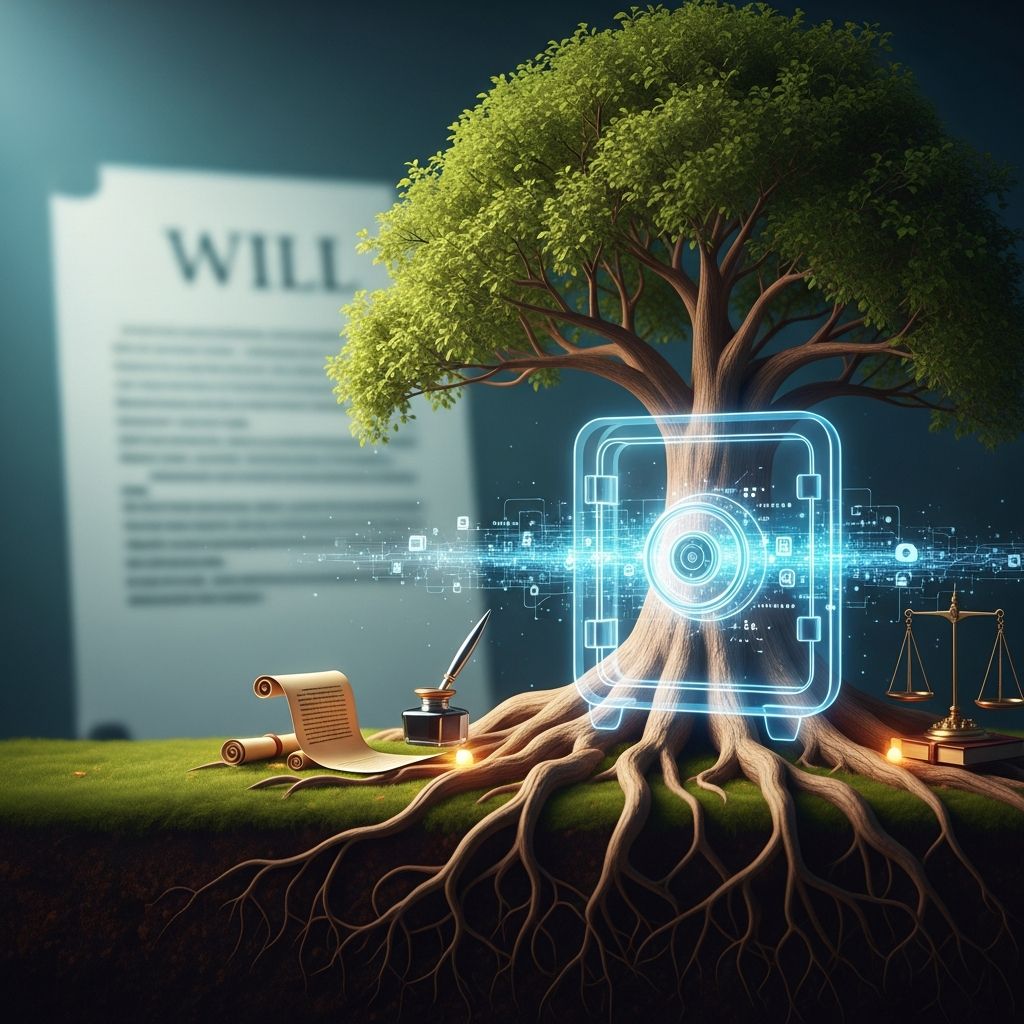
In today’s interconnected world, your digital footprint—spanning websites, social media profiles, blogs, and online accounts—holds significant personal, financial, and sentimental value. Without proper planning, these assets can become inaccessible or lost upon your passing, leaving heirs frustrated and your legacy vulnerable. Trusts offer a powerful solution to manage and transfer these digital assets securely, privately, and according to your wishes.
Understanding Digital Assets in Modern Life
Digital assets encompass any online property with value, including domain names, hosted websites, social media accounts (like Facebook, Instagram, Twitter), email accounts, cryptocurrency wallets, streaming subscriptions, and even virtual goods in games. According to the Federal Trade Commission, millions of Americans die each year without addressing these, leading to locked accounts and unclaimed value worth billions.
Consider a small business owner with a revenue-generating blog or e-commerce site: without estate directives, platforms’ terms of service often prevent transfer, resulting in shutdowns. Personal accounts hold irreplaceable memories—family photos on Instagram or lifelong emails—that families struggle to access due to password protections and legal restrictions.
- Financial digital assets: Domains, blogs, affiliate sites generating income.
- Sentimental digital assets: Social profiles, photo libraries, message histories.
- Practical digital assets: Subscriptions, cloud storage, online banking portals.
Planning for these requires recognizing their unique nature: they’re intangible, governed by private company policies rather than traditional property laws.
Why Traditional Wills Fall Short for Online Assets
A standard will lists physical possessions but rarely accounts for digital specifics. Courts may not enforce access to private platforms, and probate processes expose assets publicly, risking privacy breaches or hacking. Probate can take 6-18 months, during which accounts may auto-delete per terms like Google’s inactivity policy.
| Asset Type | Will Limitations | Trust Advantages |
|---|---|---|
| Social Media | Public disclosure; platform denial | Private transfer; customized instructions |
| Websites/Domains | Delayed access; value loss | Immediate trustee control; monetization continuity |
| Crypto/Emails | Encryption barriers | Secure key handover; perpetual management |
Trusts bypass probate, operating immediately and confidentially, ideal for sensitive digital realms.
Types of Trusts Tailored for Digital Legacies
Revocable Living Trusts: Flexibility First
A revocable living trust lets you retain control during life, naming successors for seamless transition. Fund it by transferring digital asset titles—domains via registrars, account authorizations via letters. Upon incapacity or death, trustees access via provided credentials, avoiding court intervention.
Irrevocable Trusts: Asset Protection Powerhouse
For high-value sites or privacy-focused individuals, irrevocable trusts shield assets from creditors. Once funded, assets are legally separate, with trustees managing monetization or memorialization per your terms.
Testamentary Trusts: Will-Activated Digital Guardians
Created via will but activated post-probate, these suit simpler estates. They direct digital handling but lack probate speed.
Combine with a pour-over will to capture overlooked assets into the trust.
Step-by-Step: Setting Up a Digital Asset Trust
- Inventory Assets: List all accounts, URLs, logins, 2FA details in a secure digital vault like LastPass or encrypted drive. Use tools like Digital Asset Keeper spreadsheets.
- Choose Trustee: Select tech-savvy, trustworthy individuals or professionals. Co-trustees balance skills.
- Draft Trust Document: Work with estate attorneys specializing in digital law. Include clauses for account closure, content archiving, or perpetual maintenance.
- Fund the Trust: Retitle domains, assign social media powers-of-attorney, notify platforms of successor access.
- Update Regularly: Review annually or after platform changes, like Twitter’s rebranding to X.
Costs range $1,500-$5,000 initially, far less than probate fees or lost asset value.
Legal Hurdles and Platform-Specific Rules
Each platform dictates access: Facebook’s Legacy Contact allows limited management; Google Inactive Account Manager auto-shares data. Twitter requires court orders. The Uniform Fiduciary Access to Digital Assets Act (UFADAA), adopted by 90% of states, grants fiduciaries access unless terms prohibit, but trusts preempt disputes.
International assets complicate matters—EU GDPR restricts data transfers. Trusts with global clauses mitigate this.
Critical Stats on Digital Estate Gaps
- 90% of Americans lack digital estate plans (Everplans survey).
- $58 billion in unclaimed digital assets annually (TopLegal).
- 70% of platforms deny heirs access without planning (FTC).
Real-World Benefits: Case Studies in Action
A blogger’s revocable trust ensured her site continued earning $10K/month for heirs via trustee management. A family’s Instagram archive preserved grandfather’s travel photos, avoiding deletion. Businesses use dynasty trusts for perpetual brand sites, like author estates maintaining legacy pages.
Without trusts, heirs faced 9-month court battles for a deceased influencer’s TikTok, losing sponsorship revenue.
Advanced Strategies: Perpetual and Dynasty Trusts
For lasting legacies, dynasty trusts span generations, funding website hosting indefinitely. Charitable remainder trusts donate site proceeds post-life, blending philanthropy with preservation. Crypto-savvy trusts include wallet seed phrases in sealed exhibits.
Common Pitfalls to Avoid in Digital Trust Planning
- Overlooking 2FA/Multi-Factor: Provide recovery codes.
- Ignoring Taxes: Digital sales trigger capital gains; trusts allocate burdens.
- Platform Changes: Monitor terms; e.g., Meta’s evolving policies.
- Family Disputes: Clear directives prevent challenges.
- Inadequate Funding: Mere mention isn’t transfer.
Frequently Asked Questions (FAQs)
What if I have no will or trust—can family access my accounts?
Rarely; platforms require legal proof of authority, often court orders. Proactive planning prevents this.
Do all social media accounts need a trust?
Not all, but monetized or sentimental ones do. Use platform tools for minor accounts.
Can trusts handle cryptocurrency and NFTs?
Yes, via multi-sig wallets and detailed instructions for secure transfer.
How much does a digital asset trust cost?
$2,000-$6,000 setup, plus $500/year maintenance for complex estates.
What if I’m incapacitated but alive?
Trustees step in immediately under disability clauses, unlike wills.
Next Steps: Consult Professionals Today
Digital assets evolve rapidly—AI-generated content, metaverse properties loom. Partner with estate attorneys, financial advisors, and digital executors. Free tools like Everplans aid inventories, but legal customization is key. Secure your online world now for peace of mind tomorrow.
References
- Digital Assets in Estate Planning — Uniform Law Commission (UFADAA). 2023-10-01. https://www.uniformlaws.org/acts/ufadaa
- Protecting Digital Assets After Death — Federal Trade Commission (FTC). 2024-05-15. https://consumer.ftc.gov/articles/protecting-your-digital-estate-after-death
- Edelman Trust Barometer 2024 — Edelman. 2024-01-23. https://www.edelman.com/trust/2024/trust-barometer
- Managing Digital Legacies — American Bar Association. 2025-02-10. https://www.americanbar.org/groups/real_property_trust_estate/resources/estate-planning/digital-assets/
- State Adoption of Digital Assets Laws — National Conference of State Legislatures. 2025-11-01. https://www.ncsl.org/financial-services/digital-assets-and-estate-planning
Similar Articles








Read full bio of Sneha Tete




