
Winter Driving Safety: 5 Essential Checks And Driving Tips Now
Master winter roads with proven strategies to prevent accidents, protect your vehicle, and ensure safe travels in snow, ice, and harsh conditions.
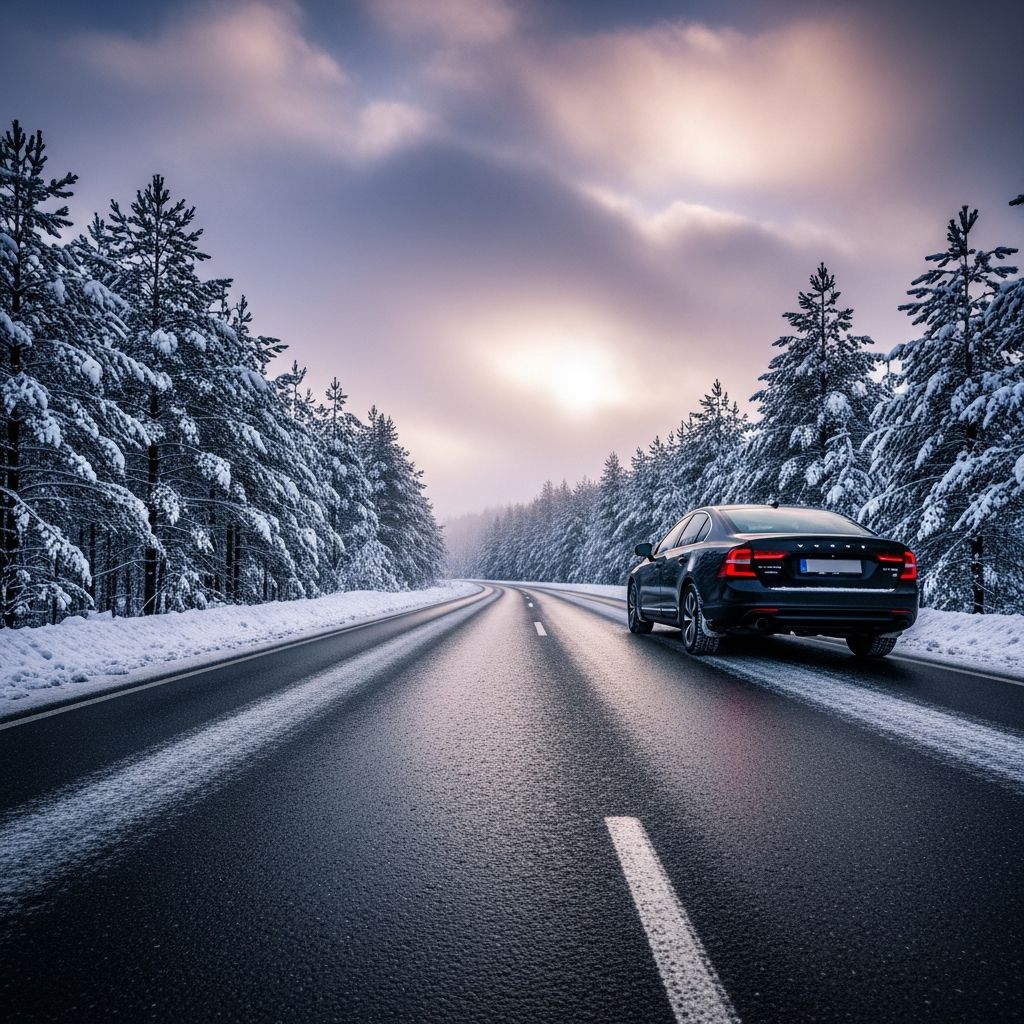
Winter transforms roads into treacherous landscapes with snow, ice, and reduced visibility contributing to a significant portion of weather-related crashes. In 2023 alone, snow and sleet conditions were factors in over 101,000 police-reported traffic incidents, highlighting the need for proactive safety measures. This guide equips drivers with practical strategies drawn from authoritative sources to minimize risks and navigate cold weather confidently.
Preparing Your Vehicle for Cold Weather Challenges
Vehicle readiness is the foundation of winter safety. A well-maintained car performs reliably when conditions deteriorate, reducing the likelihood of breakdowns or loss of control. Begin with a thorough pre-winter inspection focusing on components most vulnerable to freezing temperatures.
- Tire Maintenance: Ensure tires have at least 2/32 inch of tread depth; consider winter tires for their superior grip on snow and ice. Proper inflation is crucial as cold air causes pressure drops.
- Battery Check: Cold weather diminishes battery efficiency, so test it annually. Replace if it’s over three years old or shows weakness.
- Fluid Levels: Top off antifreeze, windshield washer fluid (use winter-grade to prevent freezing), and brake fluid. Inspect belts and hoses for cracks.
- Lighting and Wipers: Verify headlights, brake lights, turn signals, and wipers function properly. Replace worn blades to maintain clear visibility.
- Heating System: Test the defroster and heater to prevent fogged windows, which impair vision.
Keep your fuel tank at least half full to maintain weight for traction and provide reserve in case of stranding. These steps, recommended by the National Safety Council, can prevent many winter-related failures.
Building Your Winter Emergency Kit
An emergency kit turns potential disasters into manageable situations. Stock your trunk with essentials for survival if stranded, as hypothermia risks rise quickly in sub-zero conditions.
| Category | Items | Purpose |
|---|---|---|
| Essentials | Blankets, sleeping bag, extra clothes, gloves, hat | Warmth and insulation against extreme cold |
| Tools | Ice scraper, snow brush, shovel, tow rope, jumper cables | Clear snow, dig out, or jump-start vehicle |
| Food & Hydration | Non-perishable snacks, water (frozen bottles double as ice packs), medications | Sustain energy during delays |
| Communication | Fully charged phone, portable charger, flares, brightly colored cloth | Signal for help and stay connected |
| Comfort | Flashlight (with extra batteries), first-aid kit, whistle | Illumination, medical aid, and alerting rescuers |
AAA advises tying a bright cloth to your antenna if stuck, and staying with the vehicle rather than walking in storms to conserve energy and remain visible. Inform someone of your itinerary and expected arrival for added security.
Mastering Defensive Driving Techniques in Snow and Ice
Adjusting your driving style is non-negotiable on slick surfaces. Speed limits apply to dry roads; in winter, reduce speed by at least one-third to match traction limits.
- Smooth Acceleration and Braking: Apply gas and brakes gradually to avoid skids. It takes up to 10 times longer to stop on ice.
- Increased Following Distance: Extend to 5-8 seconds behind the vehicle ahead, allowing ample stopping room.
- No Cruise Control: Disengage it on slippery roads for full manual command.
- Avoiding Stops on Hills: Maintain momentum uphill; ease off gas at the crest for controlled descent.
- Watch for Black Ice: Invisible thin ice layers often form on bridges, shaded areas, or early after precipitation mixes with road oils. Drive assuming it’s present.
NHTSA emphasizes not crowding snow plows, as they make wide turns and operate in worst conditions—stay back 20 car lengths.
Navigating Hazards: Hydroplaning, Skids, and Low Visibility
Hydroplaning occurs when tires lose contact with the road due to water buildup, common in slush. To counter it:
- Slow down below 35 mph in standing water.
- Avoid deep puddles and stay central in lanes where water pools less.
For skids:
- Steer into the Skid: Turn wheels in the direction the rear slides (e.g., left skid, turn left).
- Ease Off Gas: Regain traction before correcting.
- Brake Gently: Use steady pressure; ABS systems handle pulsing.
In whiteouts or fog, pull over safely—avoid shoulders—and use hazards. Headlights on low beam improve visibility without glare.
When to Stay Off the Roads and Planning Alternatives
Not every trip warrants risking severe weather. Check forecasts via NOAA or apps; delay if blizzards loom. Public transit, carpooling, or remote work preserve safety.
Plan routes on plowed main roads, avoiding shortcuts. Allow extra time—rushing amplifies errors.
Legal Ramifications of Winter Accidents
Winter crashes often lead to personal injury claims. Fault determination hinges on negligence: following too closely, speeding, or vehicle defects. Seatbelts are legally required and reduce injury severity by 45-60%. Document scenes with photos, exchange info, and seek medical checks even for minor impacts—delayed symptoms like whiplash emerge later. Consult professionals promptly for compensation covering medical bills, lost wages, and pain.
Insurance and Post-Incident Steps
Review policy for comprehensive coverage including weather perils. Post-crash: Move to safety, call authorities, notify insurer immediately. Comprehensive claims handle weather damage sans fault proof.
Frequently Asked Questions (FAQs)
What should I do if my car skids on ice?
Steer smoothly into the direction of the skid, ease off the accelerator, and brake lightly once traction returns. Avoid slamming brakes.
How far behind a snow plow should I stay?
Maintain at least 20 car lengths; do not pass unless safe, as conditions ahead worsen.
Are winter tires necessary?
Recommended for frequent snow/ice areas; they provide better traction than all-seasons below 45°F.
What if I’m stranded overnight?
Stay in the vehicle, run engine 10 minutes hourly with exhaust clear, wrap in blankets, and signal with cloth/flares.
Does rain pose similar risks to snow?
Yes—hydroplaning and reduced traction; slow down, increase distance, avoid cruise control.
References
- Winter Driving Safety Tips — Travelers Insurance. 2024. https://www.travelers.com/resources/auto/safe-driving/winter-driving-safety-tips
- Winter Driving Safety Tips — University of Wisconsin Housing. 2025-11. https://www.housing.wisc.edu/2025/11/winter-driving-safety-tips/
- 9 Winter Driving Tips to Keep You Safe — AARP. 2024. https://www.aarp.org/auto/driver-safety/winter-driving-tips/
- Winter Driving Tips — AAA Exchange. 2024. https://exchange.aaa.com/safety/driving-advice/winter-driving-tips/
- Winter Driving — National Safety Council. 2024. https://www.nsc.org/community-safety/safety-topics/seasonal-safety/winter-safety/driving
- Common Sense Safety Tips for Winter Travel — California Office of Traffic Safety. 2024. https://www.ots.ca.gov/ots-and-traffic-safety/traffic-safety-tips/winter-driving-tips/
- Winter Weather Driving Tips — National Highway Traffic Safety Administration (NHTSA). 2024. https://www.nhtsa.gov/winter-driving-tips
Similar Articles








Read full bio of medha deb




