Essential Strategies to Prevent Boating Mishaps
Discover proven methods to safeguard your boating adventures and minimize risks of accidents and injuries on the water.
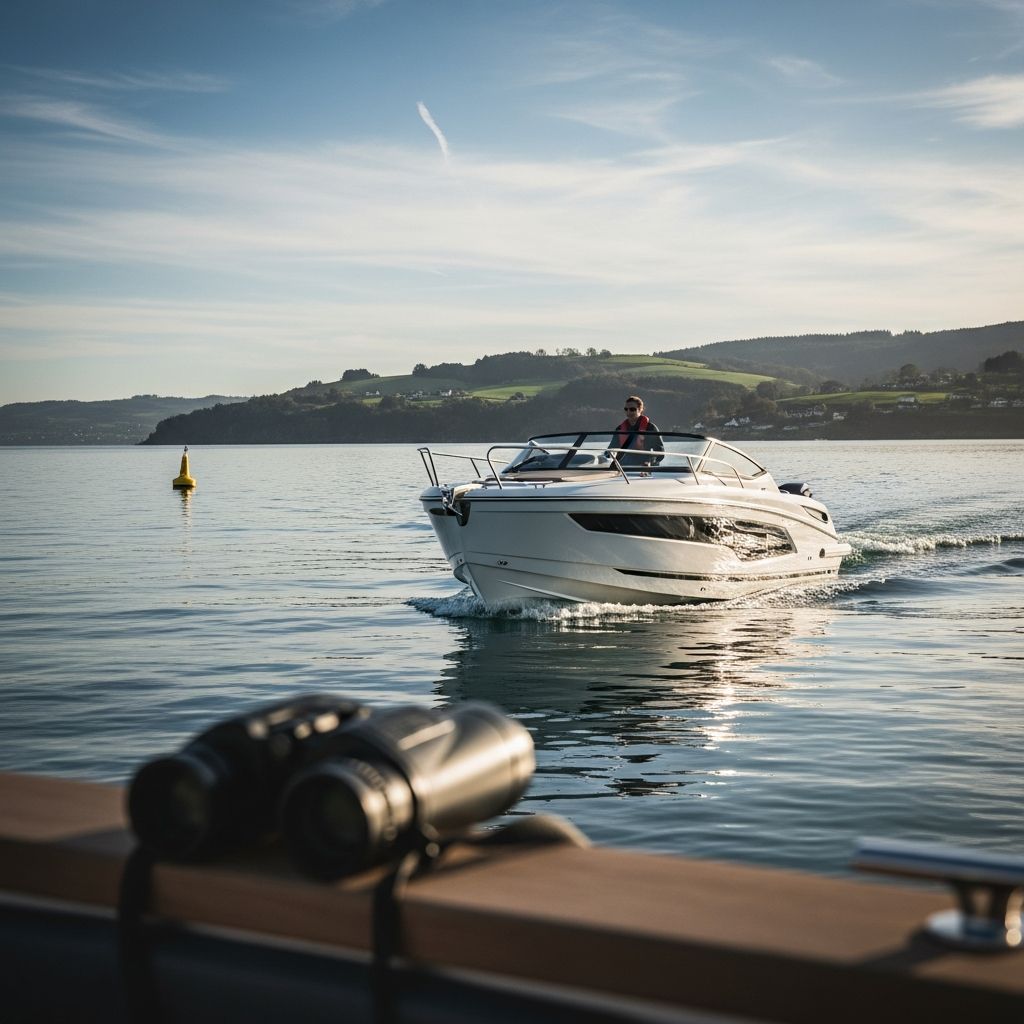
Boating offers thrilling ways to enjoy nature, but it comes with inherent risks that demand vigilance. In 2022, drowning caused 50% of recreational boating deaths, with 69% of victims not wearing life jackets. By adopting proactive measures, boaters can significantly reduce these dangers. This article explores key practices for safe navigation, proper equipment use, and emergency readiness.
Mastering Vessel Capacity and Loading Practices
Overloading a boat tops the list of common errors leading to capsizing or swamping. Every vessel has a manufacturer-specified capacity for passengers and gear, detailed in the owner’s manual. Exceeding this invites instability, especially in choppy conditions. Distribute weight evenly—place heavier items low and centered to maintain balance.
- Consult the capacity plate near the helm for maximum persons and weight.
- Avoid adding extra coolers or equipment beyond limits.
- Recalculate capacity if modifying the boat, like adding powerful engines.
Proper loading prevents sudden shifts that could throw occupants overboard. Practice this before every trip to build good habits.
Navigating with Precision and Awareness
Running aground or colliding with obstacles often stems from poor situational awareness. Always verify your position using updated nautical charts, GPS, and compasses. Observe buoys, tide levels, and local markers to match your chart plotter’s data.
Appoint a dedicated lookout to scan for hazards like debris, pots, kayaks, or other vessels. This is crucial during high-traffic periods or water sports. In busy areas, steer clear of peak launch times at marinas to dodge erratic operators.
| Hazard Type | Detection Tip | Action |
|---|---|---|
| Shallows/Groundings | Monitor depth sounder and charts | Slow down, alter course early |
| Floating Debris | Lookout scans ahead | Signal captain, evade sharply |
| Other Boats | Check radar/VHF | Communicate intentions |



The Future of AI: Preventing a Big Tech Monopoly >

Prioritizing Personal Flotation Devices
Life jackets save lives, yet many neglect them until too late. Equip every passenger with U.S. Coast Guard-approved PFDs suitable for their size and activity. Children under 13 must wear them on deck in most states.
Enhance PFDs with whistles and waterproof lights for nighttime visibility. Practice throwing life rings from the dock to gauge accuracy—they’re harder to hurl than expected. Wearing PFDs in rough weather or at night boosts survival odds dramatically.
- Store PFDs accessibly, not buried in lockers.
- Inspect for wear before each outing.
- Ensure hybrid inflatables are armed and functional.
Eliminating Alcohol and Impairment Risks
Alcohol contributes to most fatal boating incidents by impairing judgment and reaction times. Operating under the influence mirrors drunk driving—illegal and deadly. Designate a sober captain, and limit drinks for all aboard.
Even one beer slows reflexes in ways wind and waves amplify. Michigan data shows operators without safety training factor in 70% of fatalities; formal education stresses sobriety.
Harnessing Kill Switch Technology
Safety lanyards or wireless kill switches shut off engines if the operator falls overboard. Most motorized boats feature this; always attach it when at the helm. This prevents runaway vessels that could circle back and strike swimmers.
Test the device pre-launch. Remove the key entirely when swimmers are in the water to avoid accidental starts.
Conducting Thorough Pre-Departure Checks
A quick inspection averts mechanical failures. Verify fuel, oil, battery, hull integrity, and bilge. Sniff for gas fumes in enclosed areas—carbon monoxide poisoning lurks silently. Open hatches and use detectors.
Pack a safety kit: first aid, flares, flashlight, rope, fire extinguisher, and extra clothing. Review weather forecasts; sudden storms catch many off-guard.
Enforcing No-Swim-Zone Protocols
Never permit bow riding or hanging off gunwales underway—it’s a fast track to ejection. Keep everyone seated in designated areas. When swimming, shut off the engine, remove the key, and post a spotter.
Avoid relieving over the side while standing; use facilities below to prevent falls.
Building Crew Competency Through Training
Boating education is mandatory in many areas and vital everywhere. Courses cover rules, navigation, and emergencies. Ensure all aboard know safety gear locations and basic operation.
Seventy percent of fatal crashes involve untrained operators. Invest in certification from DNR-approved programs.
Perfecting Crew-Overboard Recovery Drills
Falls overboard demand instant action. Halt forward momentum immediately via quick-stop or figure-eight maneuvers. Take a head count, assign roles: one lookout, others prepare flotation.
Approach from downwind for control, position the boat to shield the swimmer. Use ladders, platforms, or Lifeslings for reboarding. Practice seasonally with cushions, then live swimmers.
- Mark position with a floating marker.
- Circle back slowly.
- Throw flotation, then maneuver close.
- Hoist aboard carefully.
Weather Monitoring and Planning
Check forecasts via NOAA apps or VHF radio. Avoid outings if winds exceed 15 knots or storms brew. High-traffic avoidance ties into this—busy days often mean unpredictable weather.
Carry VHF for mayday calls and monitor Channel 16.
Responding Effectively to Emergencies
If collision or grounding occurs, check injuries first, then call Coast Guard on VHF Channel 16. Stay with the boat if afloat; deploy PFDs and signals.
Document details for reports, prevent fire spread. Preparation turns crises manageable.
Frequently Asked Questions (FAQs)
What is the leading cause of boating deaths?
Drowning accounts for 50% of fatalities, often due to not wearing life jackets.
Do I need boating certification?
Many states require it; untrained operators feature in 70% of fatal accidents.
How often should I practice man-overboard drills?
At season start and periodically; it builds instinctive responses.
Is alcohol allowed on boats?
Possession may be okay, but operating impaired is illegal and dangerous.
What should my safety kit include?
First aid, flares, extinguisher, rope, flashlight, and PFDs.
References
- Avoiding Accidents – BoatUS Foundation — BoatUS Foundation. Accessed 2026. https://boatus.org/study-guide/prep/accident
- Tips for Boaters to Stay Safe on the Water — Texas Parks & Wildlife Department. 2023. https://tpwmagazine.com/adventure-recreation/stay-safe-on-the-water/
- How to Avoid Boating Wrecks (and What to Do If It Happens) — Boat-Ed.com. Accessed 2026. https://www.boat-ed.com/blog/how-to-avoid-boating-wrecks/
- 10 Boating Safety Tips from Boating Experts — Sea Tow. Accessed 2026. https://seatow.com/boating-safety-tips/
- These 10 Boating Safety Tips Can Help Prevent a Serious Accident — Call Sam. Accessed 2026. https://callsam.com/blog/10-boating-safety-tips-prevent-accident/
- 10 Tips for Avoiding Dangerous Boaters on the Water — Brais Law Firm. Accessed 2026. https://www.braislaw.com/blog/10-tips-for-avoiding-dangerous-boaters-on-the-water/
- Avoiding Common Boating Accident Injuries — BOATERexam.com. Accessed 2026. https://www.boaterexam.com/blog/how-to-avoid-common-boating-accident-injuries/
Similar Articles








Read full bio of medha deb