
Essential Strategies for Police Encounters
Master key tactics to safeguard your rights and navigate police interactions confidently and effectively.
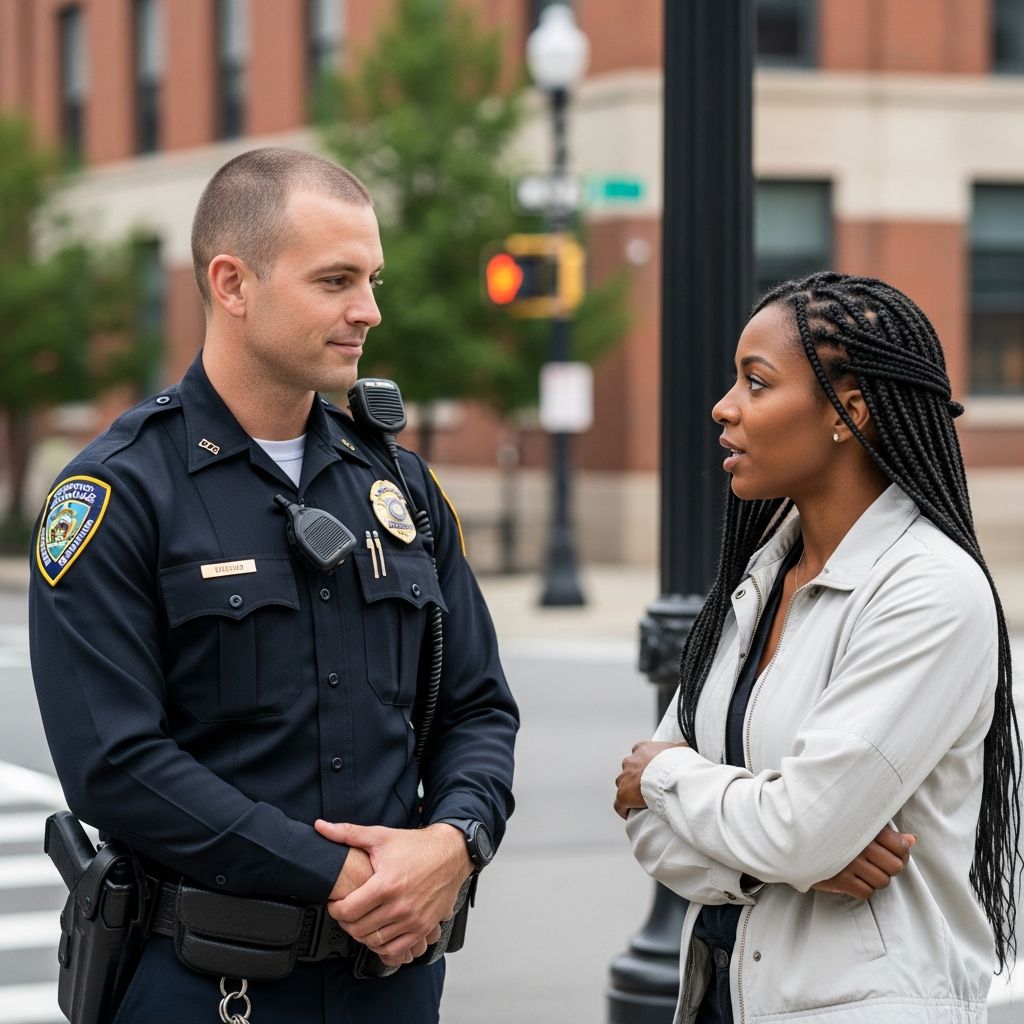
Interacting with law enforcement can occur unexpectedly in everyday situations, such as traffic stops, neighborhood checks, or public spaces. Knowing how to respond protects your constitutional rights and minimizes risks of self-incrimination or escalation. This guide outlines practical, legally grounded approaches drawn from expert criminal defense insights to help you handle these moments with composure and awareness.
Understanding Your Fundamental Rights
The U.S. Constitution provides key protections during police interactions. The
Fifth Amendment
safeguards against self-incrimination, allowing you to remain silent. TheFourth Amendment
guards against unreasonable searches and seizures, meaning officers need probable cause or a warrant for most searches. Miranda rights, established by the Supreme Court, must be read upon arrest, informing you of your right to silence and an attorney.These rights apply variably: during casual stops, you’re not obligated to answer beyond basic identification in some states; if detained, full protections kick in. Awareness empowers you to assert these without aggression.
Maintaining Composure Under Pressure
Encounters often induce stress, but
staying calm
is paramount. Officers are trained to observe behavior; agitation can be misinterpreted as resistance, potentially worsening outcomes. Speak politely, avoid sudden movements, and keep hands visible—never in pockets—to prevent misunderstandings about concealed items.Benefits of calmness include de-escalation and clearer thinking. For instance, a composed demeanor signals cooperation without surrender, preserving your ability to invoke rights strategically.
Mastering the Art of Minimal Disclosure
Limit responses to essentials: provide name, ID if requested, and confirm your activities if asked, but nothing more. Elaborate answers risk unintended admissions. Officers may use open-ended questions to elicit details; short “yes” or “no” replies suffice.
- Only share identifying information when legally required.
- Avoid explanations, excuses, or narratives about your day.
- Information given cannot be retracted later.
This tactic aligns with the right to silence, preventing statements twisted in court.
Clarifying Your Status with Key Questions
Determine if you’re free to go by asking, “Am I detained?” or “Am I free to leave?” A “no” indicates detention; a “yes” allows departure. Inquire politely about the stop’s reason to document potential violations of protocol.
| Question to Ask | Purpose | Expected Response Insight |
|---|---|---|
| Am I free to leave? | Confirms detention status | “Yes” means walk away; “No” invokes rights |
| Why was I stopped? | Verifies lawful basis | Assesses probable cause |
| Am I under arrest? | Clarifies custody | Triggers Miranda if yes |
Record responses mentally or via phone if safe, aiding later legal review.
Invoking Your Right to Silence Effectively
Explicitly state, “I am exercising my right to remain silent.” This clear invocation protects against further questioning without an attorney. Silence isn’t admission; it’s a right. Even pre-arrest, invoke it if uncomfortable—officers cannot compel talk.
In custodial settings post-Miranda, repetition reinforces protection. Courts uphold this; waiving it risks prosecution use of statements.
Refusing Searches Without Consent
Politely decline: “I do not consent to any searches.” Without warrant or exigent circumstances, they lack authority. Do not physically resist; note refusal for your attorney to challenge illegal searches later.
- Applies to person, vehicle, home, or belongings.
- Probable cause might justify, but consent isn’t required.
- Post-refusal searches may be suppressible in court.
Common ploy: officers claim smell or behavior justifies search—stand firm verbally.
Demanding Legal Representation Immediately
If detained or questioned extensively, request, “I want to speak to my attorney.” All questioning must cease until provided. Refusal to allow this violates rights, strengthening defense claims.
Even if unable to afford one, state it—public defenders are appointed. This halts potentially coercive interrogations.
Avoiding Lies and Missteps
**Never lie** to officers—it’s often a crime like obstruction. Officers can lie to you legally, tricking details. Honesty limited to basics avoids perjury traps. Steer clear of:
- Arguing or debating legality on-site.
- Discussing cases on social media or with others—posts and talks become evidence.
- Physical resistance, even to unlawful orders.
Special Scenarios: Traffic Stops and Home Visits
Traffic Stops
During pulls-over, hands on wheel, window down, documents ready. Exit only if ordered. Same rules: minimal talk, no consent to vehicle search.
Home Visits
Officers at door? Step outside, close it—no entry without warrant. Ask for ID, purpose via cracked door.
Post-Encounter Actions
After, document details: time, location, officers’ names/badges, statements. Seek counsel promptly if charged. Memory fades; notes preserve accuracy for defense.
Frequently Asked Questions (FAQs)
What if police search anyway after I refuse?
Do not resist; your attorney can file to suppress evidence from illegal search, potentially dismissing charges.
Do I have to show ID without cause?
Depends on state ‘stop and identify’ laws; generally, no without reasonable suspicion.
Can police question minors differently?
Minors have same rights; parents/guardian presence advised, invoke silence early.
What about field sobriety tests?
Politely decline; they’re not mandatory like breathalyzers in some cases.
Is recording police legal?
Yes, in public if no interference; check state wiretap laws.
Empowering Yourself for Future Interactions
Preparation via role-play or apps builds confidence. Community workshops teach rights. Remember, cooperation doesn’t mean waiver—strategic silence and questions protect best.
These strategies, rooted in constitutional law, reduce risks. Consult local attorneys for jurisdiction specifics, as laws vary.
References
- 7 Tips For Dealing With The Cops — Krizman Law Firm. 2023. https://krizmanfirm.com/blog/7-tips-for-dealing-with-the-cops/
- Tips for talking to the police — Joseph Bogen. 2023-09. https://www.jbdefense.com/blog/2023/09/tips-for-talking-to-the-police/
- Dos And Don’ts When Talking To A Police Officer — Call Robinson. 2024. https://www.callrobinson.com/criminal-defense/dos-and-donts-when-talking-to-a-police-officer
- 7 Questions You Should Ask During Interactions with the Police — Orent Criminal Law. 2024. https://www.orentcriminallaw.com/blog/7-questions-you-should-ask-during-interactions-with-the-police/
- Tips for Interacting with the Police — My Criminal Attorney NYC. 2023. https://mycriminalattorneynyc.com/tips-interacting-police/
- 5 Things to Remember During an Encounter with the Police — Criminal Defense NE. 2023. https://www.criminaldefensene.com/5-things-to-remember-during-an-encounter-with-the-police/
- 7 Dos and Don’ts for Your Criminal Case — The Zeiger Firm. 2024. https://brianzeiger.com/blog/7-dos-donts-criminal-case/
Similar Articles








Read full bio of medha deb




