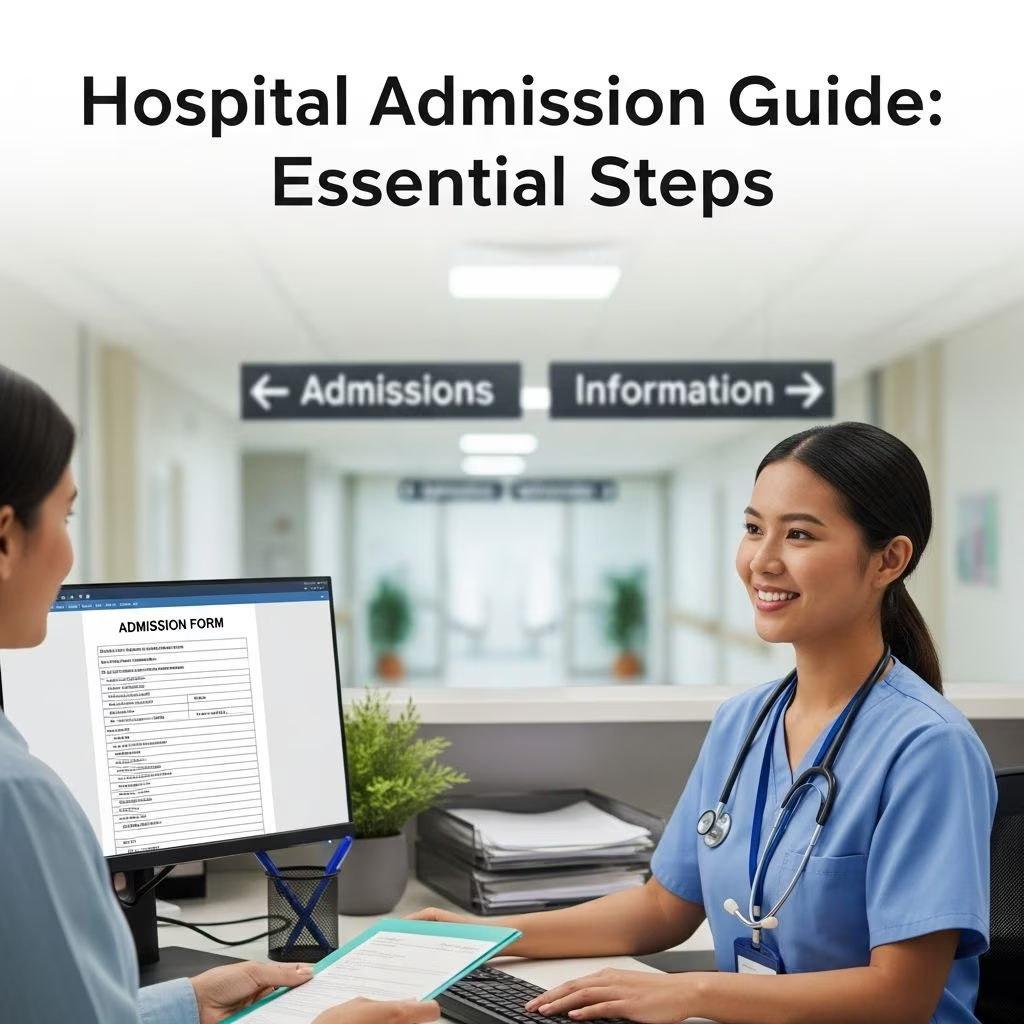
Entering a hospital for treatment marks a critical moment in managing your health. Whether it’s an emergency room visit or a scheduled procedure, being prepared can significantly improve your experience and outcomes. This guide outlines key aspects of the admission process, from gathering essentials to understanding your rights and ensuring a safe stay.
Preparation Before Arrival
Proactive preparation reduces stress and streamlines care. Assemble an information kit with vital details to share with staff immediately upon arrival.
- Identification and Insurance: Carry a government-issued ID, such as a driver’s license or passport, along with health insurance cards, Medicare, or Medicaid details if applicable.
- Medication Inventory: Compile a complete list of current prescriptions, over-the-counter drugs, supplements, dosages, and allergies. Include your pharmacy’s contact information.
- Medical Contacts: Note your primary care provider’s name and phone number, plus emergency contacts for spouses or family.
- Personal Essentials: Pack comfortable clothing, eyeglasses, toothbrush, books, or a tablet for downtime. Avoid valuables or excess electronics, as they risk theft.
For planned admissions, organize documents in a single folder. Hospitals prohibit personal medications during stays for safety, but your list aids accurate replication of your regimen.
Navigating the Emergency Department Arrival
Emergency rooms prioritize based on urgency, not arrival order. Expect an initial assessment called triage upon entry.
A triage nurse evaluates symptoms, vital signs, and history to categorize acuity levels, directing critical cases first. Patients with severe conditions may bypass those with minor issues, even if arriving later. Inform staff of any symptom changes promptly.
| Acuity Level | Description | Typical Wait |
|---|---|---|
| Level 1: Resuscitation | Life-threatening, immediate action | Seconds |
| Level 2: Emergent | High risk, potential deterioration | Minutes |
| Level 3: Urgent | Serious, not immediately life-threatening | 30-60 minutes |
| Level 4: Less Urgent | Stable, minor issues | 1-2 hours |
| Level 5: Non-Urgent | Minor complaints | 2+ hours |
While waiting, refrain from eating, drinking, or using the restroom without permission, as these may interfere with tests like urine samples or imaging.
Registration and Identification Protocols
After triage, proceed to registration. Provide accurate personal details, insurance, and medical history. You’ll receive a wristband encoded with your name, birth date, and medical record number.
Staff scan this band before every medication, treatment, or procedure, and will verbally confirm your identity—always respond clearly to prevent errors. Update registrars with your primary care provider’s details for seamless follow-up coordination.
Medical Evaluation and Testing Phase
A physician, physician assistant, or nurse practitioner conducts a screening exam, reviewing vitals and history. Expect diagnostic tests like blood work, X-rays, or CT scans, each taking 1+ hours.
Additional tests extend wait times, as results must precede diagnosis and treatment planning. Your team updates on progress; ask questions freely. Pain relief is often delayed until evaluation for safety.
Understanding Consent and Legal Rights
Hospitals require informed consent for treatments, explaining procedures, risks, benefits, and alternatives. Review forms carefully before signing; ask for clarification on unfamiliar terms.
You have rights to privacy under HIPAA, respectful care, and refusal of non-emergency treatments. Designate an advocate—family or friend—to assist with questions and notes.
Safety Measures During Your Stay
Hospitals implement protocols to minimize risks like infections or errors.
- Hand Hygiene: Ensure visitors and staff sanitize hands upon entry. Query necessity of catheters or IVs daily, as prolonged use heightens infection risk.
- Patient Monitoring: Note alarms, hourly nurse rounds, and whiteboards listing care team details.
- Infection Control: Facilities maintain smoke-free environments and rigorous cleaning.
- Secure Belongings: Use provided safes for valuables; limit electronics to avoid interference with monitors.
Track caregivers, medications, and instructions in a notebook for accuracy.
Communication and Interpretation Services
Clear communication is vital. Hospitals offer interpretation via video remote services for non-English speakers or sign language. Provide feedback on understanding; repeat instructions back to confirm.
Discuss care plans openly: inquire about doctors, nurses, medications, risks, and stay duration.
Discharge Planning and Follow-Up
Before leaving, receive an after-visit summary with instructions, prescriptions, and appointments. Review thoroughly and clarify ambiguities.
Contact your primary care provider within days for coordination; they monitor notifications and follow up. Adhere to referrals and report worsening symptoms immediately.
Frequently Asked Questions (FAQs)
What should I bring to the hospital?
Essentials include ID, insurance, medication lists, allergies, PCP details, and comfort items like glasses or books. Skip valuables and personal meds.
How does triage work in the ER?
Triage assesses severity to prioritize care; critical patients go first regardless of arrival time.
Can I eat or use the bathroom while waiting?
Ask staff first—tests may require fasting or samples.
What is the wristband for?
It identifies you for all treatments; staff verify it every time.
How do I ensure safe discharge?
Review summaries, follow instructions, and check in with your PCP promptly.
Additional Resources for Patients
Leverage hospital amenities like Wi-Fi, TV, phones, and rapid response teams for concerns. For planned stays, prepare advance directives outlining wishes.
Empowerment through knowledge fosters better health journeys. Share this guide to help others.
References
- Nine Things to Expect During a Trip to the Emergency Room — Doctors Hospital. 2025. https://www.doctors-hospital.net/healthy-living/blog/nine-things-to-expect-during-a-trip-to-the-emergency-room-2025
- Checklist of What to Bring to the Hospital Emergency Room — MLK Community Healthcare. N/A. https://www.mlkch.org/bring-to-hospital
- Safety for Patients and Visitors — Brown University Health. N/A. https://www.brownhealth.org/patients-visitors/safety-tips-patients-and-visitors
- What You Need to Know About Your Visit to the ER — Intermountain Healthcare. N/A. https://intermountainhealthcare.org/blogs/article/what-you-need-to-know-about-your-visit-to-the-er
- Tips for During and After Your Hospital Visit — Holy Cross Health. N/A. https://www.holycrosshealth.org/newsroom/blog-articles/tips-to-keep-in-mind-during-and-after-your-hospital-visit
- Things to Know During Your Hospital Stay — St. Claire HealthCare. N/A. https://www.st-claire.org/patients-visitors/hospital-patient-guide/things-to-know-during-your-hospital-stay/