
Essential Steps After Injury: Protect Health and Rights
Discover critical actions to take immediately after an injury to ensure proper recovery, legal protection, and long-term well-being.
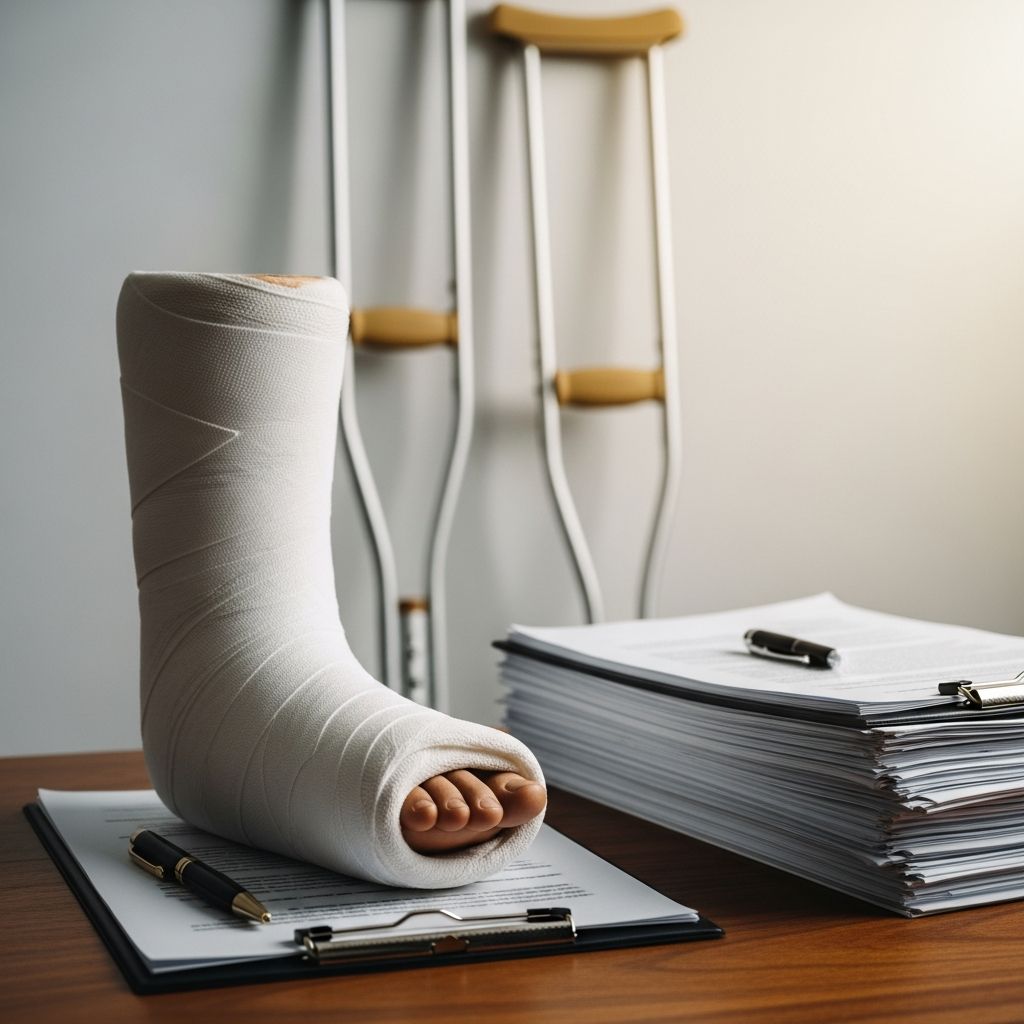
Experiencing an injury can disrupt daily life, whether from a car crash, workplace mishap, or slip-and-fall. Taking decisive actions right away helps manage pain, speed recovery, and safeguard legal rights. This guide outlines immediate responses, recovery techniques, mental strategies, and long-term considerations for comprehensive care.
Immediate Response: Prioritize Safety and Assessment
The first moments after an incident are crucial. Quickly evaluate the scene for ongoing dangers, such as traffic or unstable structures, and move to safety if possible. Check yourself and others for visible injuries like bleeding or fractures.
- Call emergency services (911 in the US) if there’s severe pain, loss of consciousness, or inability to move.
- Do not attempt to walk on a potentially broken leg or ignore chest pain, which could signal internal issues.
- Stay calm to avoid worsening shock symptoms like dizziness or rapid breathing.
Document the scene with photos of damages, skid marks, or hazards using your phone. Note weather conditions, time, and location details. Exchange contact and insurance information with involved parties without admitting fault—phrases like “I’m sorry this happened” can be misinterpreted legally.
Seek Professional Medical Evaluation Without Delay
Even minor-seeming injuries demand prompt medical attention. Adrenaline can mask symptoms, leading to complications like hidden concussions or soft tissue damage. Visit an emergency room, urgent care, or your primary physician within 72 hours.
During the visit, describe the incident fully, including how it occurred and all symptoms, no matter how small. This creates a documented record linking the injury to the event, vital for insurance claims or lawsuits. Follow-up appointments track progress and prevent chronic issues.
| Why See a Doctor Immediately | Potential Risks of Delay |
|---|---|
| Establishes medical baseline | Delayed symptoms worsen |
| Records causation for claims | Insurers may deny coverage |
| Accesses early treatments | Increased long-term pain |
Implement First Aid: RICE Protocol and Beyond
While awaiting help, apply the RICE method: Rest the injured area, Ice for 20 minutes every 2-3 hours (wrapped to avoid skin damage), Compress with an elastic bandage to reduce swelling, and Elevate above heart level. Avoid heat initially, as it increases blood flow and inflammation in acute phases.
Over-the-counter anti-inflammatories like ibuprofen can ease pain if no contraindications exist—consult a pharmacist if on other medications. For open wounds, clean gently with water and apply sterile dressings; do not remove embedded objects.
- Rest: Immobilize with a splint if needed.
- Ice: Limits bruising and numbs pain.
- Compression: Prevents fluid buildup.
- Elevation: Aids gravity drainage.
Document Everything for Legal and Medical Records
Thorough documentation strengthens your position. Keep a daily injury journal noting pain levels (1-10 scale), symptoms, medications, and activities affected. Save all medical bills, receipts, and correspondence.
Record witness statements and obtain police reports if applicable. Track lost wages with pay stubs and employer letters. This evidence supports compensation for medical costs, income loss, and suffering.
Explore Recovery Therapies to Accelerate Healing
Post-initial care, therapies restore function and manage pain. Physical therapists tailor plans based on injury type.
Massage and Ultrasound for Muscle Relief
Massage manipulates soft tissues to reduce tension; deep tissue targets chronic knots, while Swedish promotes relaxation. Ultrasound uses sound waves to penetrate deep, improving circulation—used by 47% of therapists for most patients.
Targeted Exercises and Mobility Work
Stretching eases stiffness; low-impact cardio like swimming builds endurance without strain. Progress under guidance to avoid setbacks.
Heat, Ice Alternation, and More
After 48 hours, alternate heat for stiffness and ice for swelling. These timeless methods dilate vessels and soothe effectively.
Nutrition and Lifestyle Adjustments for Optimal Recovery
Fuel healing with anti-inflammatory foods: berries, fatty fish, leafy greens, and turmeric. Aim for 64+ ounces of water daily to flush toxins. Protein supports tissue repair; vitamin C and zinc aid collagen formation.
- Omega-3s from salmon reduce joint pain.
- Antioxidants combat oxidative stress.
- Avoid processed sugars that prolong inflammation.
Rest adequately but incorporate light movement to prevent muscle atrophy. Take short work breaks if returning early.
Mental Health Strategies During Downtime
Injuries impact mindset; combat isolation with purposeful activities. Journal thoughts to process emotions, set small goals like completing a puzzle, or learn skills via online courses.
- Join a virtual book club for social connection.
- Practice meditation to lower stress hormones.
- Volunteer or help friends for perspective.
Positive self-talk correlates with better outcomes; reframe recovery as a growth period.
Legal Protections: Know Your Rights and Next Moves
Consult a personal injury attorney early—many offer free evaluations. Statutes of limitations vary by state (typically 2-3 years), so act promptly. They negotiate with insurers, who often lowball settlements.
Avoid social media posts about the injury or activities, as they can undermine claims. Understand no-fault states for auto accidents versus at-fault systems.
Common Pitfalls to Avoid in Recovery
- Pushing too hard too soon, risking reinjury.
- Ignoring mental health, leading to depression.
- Skipping documentation, weakening claims.
- Returning to work prematurely without clearance.
Frequently Asked Questions (FAQs)
When should I apply heat versus ice?
Ice for the first 48 hours to control swelling; switch to heat thereafter for chronic stiffness. Always wrap applications.
How soon after injury should I see a lawyer?
Within days, before signing any insurer documents, to protect your rights effectively.
Can I recover fully from a serious injury?
Many do with consistent therapy, nutrition, and mindset; outcomes vary by injury severity and adherence.
What if symptoms appear weeks later?
Seek care immediately; delayed effects like whiplash are common and still compensable if documented.
Is over-the-counter pain relief safe?
For short-term use, yes, but check with a doctor for interactions or underlying conditions.
References
- 5 Types of Therapies for Post-Injury Pain — AOA Orthopedics. 2023. https://www.aoaortho.com/5-types-of-therapies-for-post-injury-pain/
- Do’s and Don’ts After an Injury — Prairie Orthopaedic & Plastic Surgery. 2023. https://www.prairie-ortho.com/blog/dos-and-donts-after-an-injury/?bp=30444
- 5 Tips for a Successful Sports Injury Recovery — MD Bone Docs. 2023. https://www.mdbonedocs.com/5-tips-for-a-successful-sports-injury-recovery/
- 5 Recovery Tips After a Car or Work Accidents — Excelsia Injury Care. 2023. https://www.excelsiainjurycare.com/5-tips-to-help-with-recovery-after-a-car-or-work-accident/
- 10 WAYS THAT HELP RECOVERING MENTALLY FROM AN INJURY — Aptiva Health. 2018-07-27. https://www.aptivahealth.com/blog/2018/7/27/10-ways-that-help-recovering-mentally-from-an-injury
Similar Articles








Read full bio of Sneha Tete




