
Essential Restaurant Safety Risks to Address Now
Discover critical safety hazards in restaurants that demand immediate action to protect staff, diners, and your business from disasters.
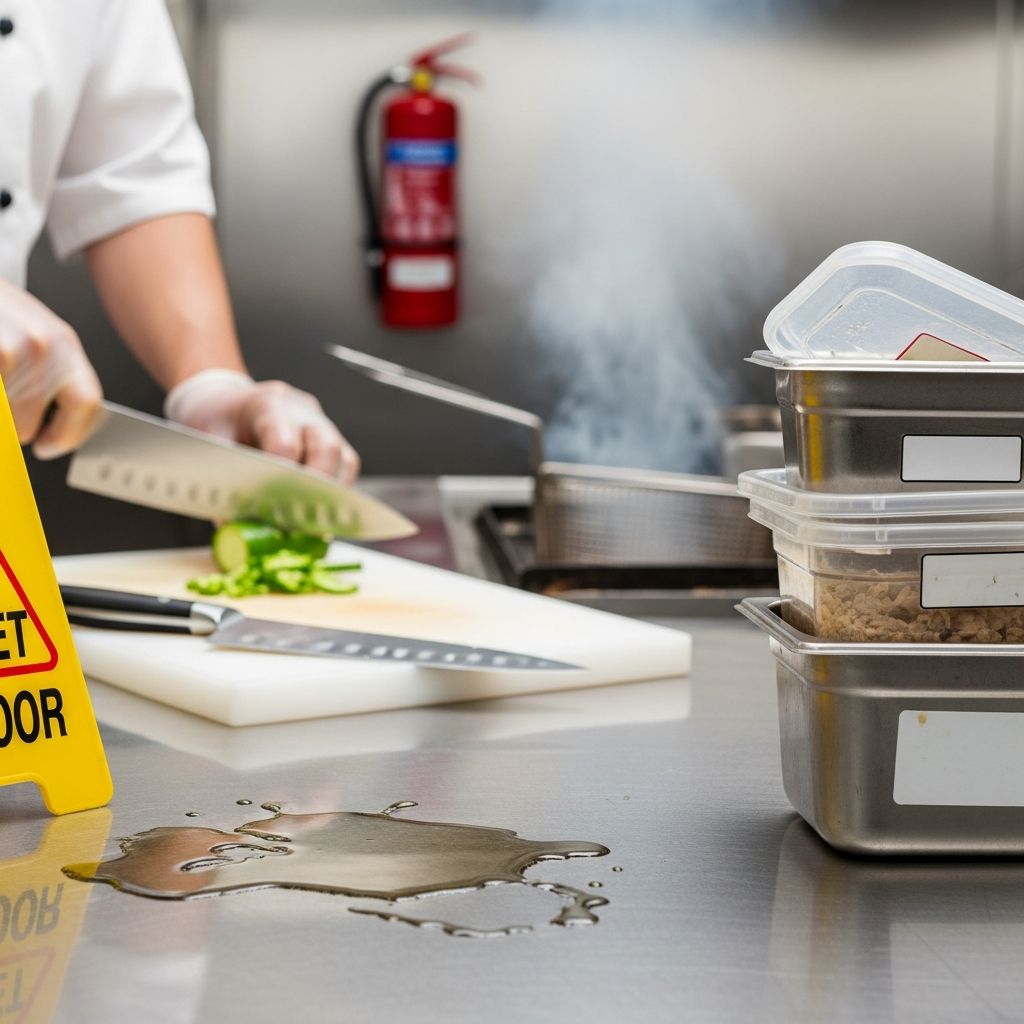
Running a restaurant involves juggling countless tasks, but overlooking safety can lead to severe consequences like customer illnesses, employee injuries, legal penalties, and business closures. Prioritizing safety not only fulfills legal obligations but also builds customer trust and loyalty. This guide explores major hazards, drawing from industry insights and expert recommendations to help owners implement effective safeguards.
Mastering Food Temperature Control
Maintaining proper food temperatures is foundational to preventing bacterial growth and foodborne illnesses. The ‘danger zone’ between 40°F and 140°F allows pathogens like Salmonella to multiply rapidly, often within 20 minutes.
Common pitfalls include hot foods cooling too slowly or cold items held above safe levels. For instance, buffets frequently violate codes by serving fried items at 117°F instead of the required 135°F or higher. Walk-in coolers also see issues like raw chicken stored over fish, risking drippage and cross-contamination.
- Hot hold foods at 135°F+; cold hold at 41°F or below.
- Cool cooked foods from 135°F to 70°F within 2 hours, then to 41°F in 4 more hours.
- Use thermometers regularly and log temperatures.
Training staff on these protocols, especially new hires, reduces risks. A food handlers certificate equips teams with knowledge to avoid violations that scare away 70% of potential customers wary of poor health inspections.
Hygiene Protocols for Staff and Facilities
Poor personal hygiene ranks among top violations, with improper handwashing leading the list. Hands must be wet with warm water, soaped, and scrubbed for at least 20 seconds, including under nails and between fingers.
Sick employees handling food contribute to 40% of U.S. foodborne illnesses, per CDC data. Symptoms like diarrhea or fever require them to stay home for 24-48 hours post-recovery. Visible signs include unkempt appearance, long untied hair, painted nails, or jewelry that could contaminate dishes.
| Hygiene Red Flag | Risk | Fix |
|---|---|---|
| No handwashing after restroom | Bacteria transfer to food | Install stations near restrooms; enforce 20-sec wash |
| Sick worker on shift | 40% illness cases | Sick leave policy; symptom checklists |
| Employees eating in kitchen | Contamination from saliva | Designated break areas only |
Cleaning extends to surfaces: sanitize cutting boards separately for raw meats and ready-to-eat items. Avoid washing raw poultry, as it spreads juices to sinks.
Pest Management and Cleanliness Standards
Pests like roaches and rodents signal major code breaches, often leading to repeated inspections and closures. Droppings under buffets or insects in kitchens indicate systemic failures.
Inadequate sanitization compounds issues—serviceware handled by rims accumulates bacteria, while improper chemical storage risks contaminating food. Glassware should be touched only on the base, not the rim.
- Store utensils upside down; handle by edges.
- Segregate cleaning supplies from food areas.
- Clear tables fully between seatings to halt bacteria spread.
Regular deep cleans, proper waste disposal, and sealing entry points prevent infestations. Water spots on glasses may hint at subpar dishwashers lacking correct chemicals.
Preventing Slip, Trip, and Fall Incidents
Slippery floors from spills, grease, or poor footwear cause thousands of injuries yearly. Kitchens’ wet, oily environments amplify risks, especially with unsafe shoes like heels or open-toes lacking grip.
Cluttered walkways, obstructed aisles, and uneven mats trip staff rushing during peaks. Implement ‘clean as you go’ policies and non-slip mats.
| Hazard | Prevention Strategy |
|---|---|
| Oil/grease spills | Immediate mop-up; absorbent mats |
| Cords/wires | Secure or cover; designated paths |
| Wet floors | Warning signs; quick-dry protocols |
Require slip-resistant shoes and train on hazard spotting. These steps cut workers’ comp claims and downtime.
Fire Safety and Emergency Preparedness
Clear fire exits, functional extinguishers, and alarms are non-negotiable. Blocked doors or missing equipment violate occupancy limits, endangering evacuations.
Overcrowding exceeds safe capacities based on egress speed. Grease fires from deep fryers demand ABC extinguishers nearby.
- Post evacuation maps; drill monthly.
- Inspect extinguishers annually.
- Limit seating to max occupancy.
Label stored foods clearly with ‘use by’ dates to avoid confusion in emergencies.
Staff Training and Ongoing Compliance
Untrained workers invite violations—provide ServSafe-style refreshers on temps, hygiene, and storage. Raw meats never above ready-to-eat items; label everything.
Conduct mock inspections and track logs for temperatures, cleaning, and pest sightings. Certifications ensure knowledge retention.
Frequently Asked Questions (FAQs)
What is the danger zone for food?
The FDA defines it as 40°F-140°F, where bacteria double every 20 minutes. Hold hot foods above 135°F and cold below 41°F.
How often should hands be washed in a restaurant?
Before/after handling raw foods, after restroom, breaks, or touching face/clothes. Minimum 20 seconds each time.
Can sick employees work?
No—stay home with vomiting, diarrhea, fever, or jaundice until 24-48 hours symptom-free, per health codes.
What shoes are safe for kitchen staff?
Closed-toe, non-slip soles with good grip to prevent falls on wet/greasy floors.
How to avoid pest issues?
Seal cracks, manage waste daily, clean thoroughly, and hire pros for inspections.
Implementing a Safety Culture
Embed safety via daily huddles, incentives for compliance, and leadership modeling. Audits reveal gaps; fix promptly. Customers notice clean, safe spots—70% shun risky ones.
Invest in tools: digital thermometers, auto-dispensers, pest monitors. Compliance shields against lawsuits, as seen in chains facing liability for repeated failures.
By tackling these risks head-on, restaurants thrive securely. Proactive measures yield healthier operations, happier teams, and loyal patrons.
References
- Top 10 Food Safety Issues — ANFP (Association of Nutrition & Foodservice Professionals). 2023. https://www.anfponline.org/news-resources/top-10-resource-lists/top-10-food-safety-issues
- 14 Health Code Red Flags You Shouldn’t Ignore At A Restaurant — Tasting Table. 2024-05-15. https://www.tastingtable.com/1796260/health-code-red-flags-restaurant/
- 5 Common Health Code Violations (and How to Avoid Them) — American Course Academy. 2024. https://americancourseacademy.com/5-common-health-code-violations-and-how-to-avoid-them/
- Food Code — U.S. Food and Drug Administration (FDA). 2022. https://www.fda.gov/food/fda-food-code/food-code-2022
- Estimates of Foodborne Illness in the United States — Centers for Disease Control and Prevention (CDC). 2017-2019 data, reviewed 2024. https://www.cdc.gov/foodborneburden/index.html
Similar Articles








Read full bio of Sneha Tete




