
Summer Camp Essentials: Safeguard Your Child’s Adventure
Equip parents with vital strategies to protect kids at summer camp, from health disclosures to legal safeguards and emotional readiness.
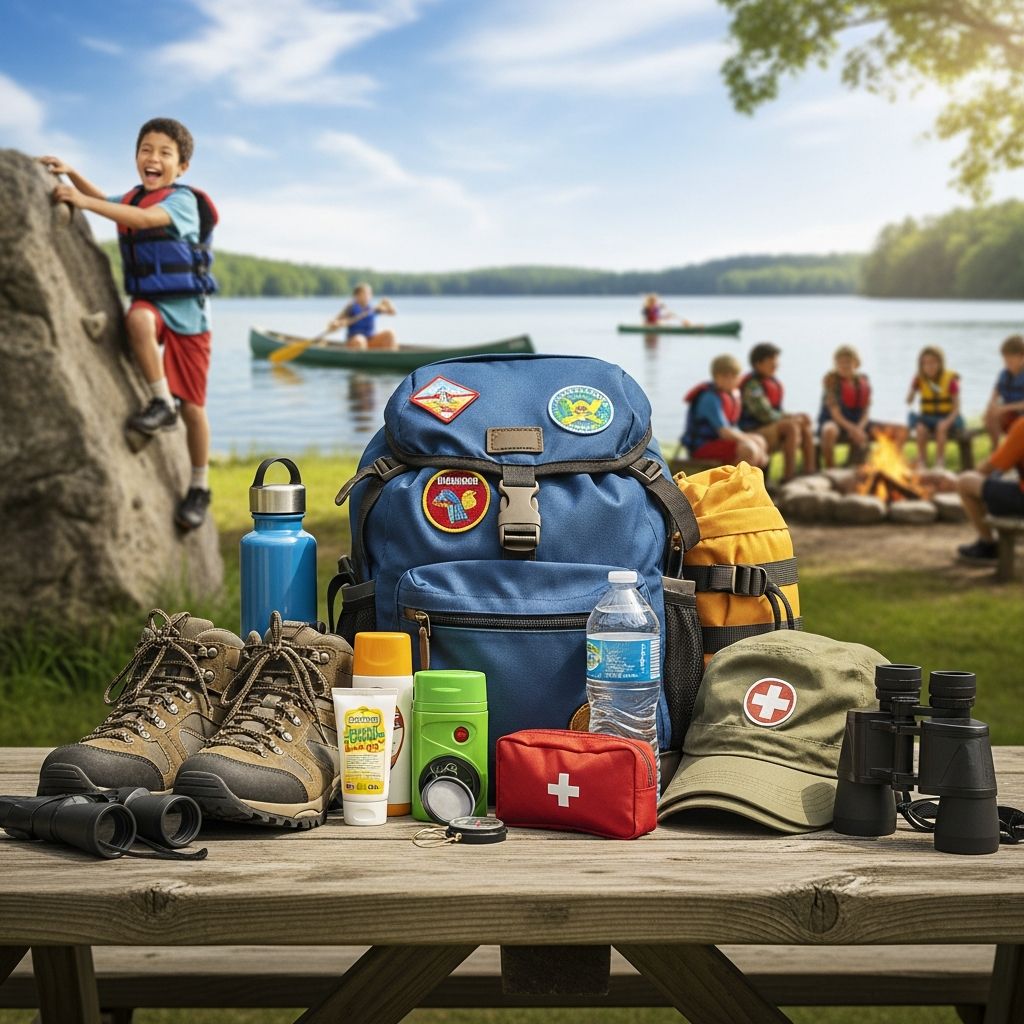
Summer camps offer children opportunities for growth, fun, and independence, but they also carry risks of injuries from activities like hiking, swimming, or sports. Parents must prioritize safety preparations, including thorough camp research, complete documentation, and awareness of legal protections to minimize harm and ensure accountability if incidents occur.
Selecting a Secure and Reputable Camp Environment
Choosing the right camp begins with verifying its credentials and safety record. Opt for programs accredited by organizations like the American Camp Association (ACA), which enforces over 300 standards covering health, supervision, and emergency procedures. Accreditation signals a commitment to rigorous oversight, reducing risks of negligence-related injuries.
Review the camp’s history for past incidents via state licensing boards or consumer complaint databases. Visit the site if possible, observing staff-to-camper ratios—ideally 1:6 for younger children—and facility maintenance. Inquire about staff training in first aid, CPR, and child protection protocols. Reputable camps conduct background checks on all personnel, a critical barrier against abuse or inadequate supervision.
- Check state regulations: Ensure compliance with local health and safety laws, including pool lifeguard certifications and food handling standards.
- Assess activity risks: Confirm safety gear for high-adventure pursuits like ropes courses or boating.
- Evaluate emergency plans: Ask for details on evacuation procedures, on-site medical staff, and hospital partnerships.
Day camps may suit first-timers, allowing gradual adjustment while maintaining parental proximity for quick response to issues.
Mastering Health and Medical Documentation
Accurate health forms are non-negotiable, serving as the primary tool for camp staff to manage medical emergencies. Provide comprehensive details on allergies, medications, chronic conditions, and vaccination status. Incomplete paperwork can delay treatment, exacerbating injuries from anaphylaxis or asthma attacks.
Include physician-signed authorization for over-the-counter medications and clear instructions for prescriptions, such as EpiPens. List all emergency contacts with multiple phone numbers and relationships. For special needs, like diabetes or epilepsy, supply extra supplies and train staff if required.
| Document Type | Key Details to Include | Why It Matters |
|---|---|---|
| Medical History Form | Allergies, immunizations, past injuries | Enables swift, informed responses to health crises |
| Authorization Slips | Medication consent, activity permissions | Prevents legal delays in care |
| Emergency Contacts | 3+ reachable numbers, relations | Ensures family notification |
| Photo Release | Consent for images | Protects privacy rights |
Submit forms early—ideally weeks ahead—to allow camp verification. Double-check for errors, as inaccuracies have led to preventable tragedies.
Navigating Liability Waivers and Legal Protections
Most camps require liability waivers, releasing them from responsibility for ordinary negligence. However, these do not shield against gross negligence, recklessness, or intentional harm. Understand waiver scope: it typically covers inherent risks like slips on trails but not failure to supervise leading to drownings or assaults.
Read every clause carefully. Some states limit waiver enforceability for minors; consult local laws. Retain copies and note any ambiguous terms. If uncomfortable, negotiate additions like enhanced supervision promises.
Carry personal injury insurance or verify camp coverage. In case of injury, document everything: photos, witness statements, medical reports. Report incidents immediately to preserve claims. Statutes of limitations vary—often 2-3 years for minors—but prompt action strengthens cases.
- Waiver red flags: Blanket releases for all staff actions or no mention of insurance.
- Your rights: Right to sue for willful misconduct; parental immunity doesn’t apply to camps.
- Insurance check: Confirm camp carries at least $1 million liability per occurrence.
Building Your Child’s Independence and Emotional Resilience
Foster self-reliance through pre-camp routines like making beds, packing bags, and hygiene tasks. Practice short separations via sleepovers to normalize absence. Discuss schedules, rules, and screen-free policies to demystify the experience.
Address homesickness proactively: validate feelings, teach coping like deep breathing or journaling. Pack comforts like family photos (non-electronic). At drop-off, project confidence—avoid tears or early pickup promises.
Encourage letter writing for connection. Limit pre-camp tech to simulate unplugged camp life, promoting real-world engagement.
Packing Smart for Safety and Comfort
Adhere to provided lists, labeling all items with permanent markers. Prioritize durable, weather-appropriate clothing, sturdy shoes, and rain gear. Include sufficient medications in original packaging, plus sunscreen, insect repellent, and reusable water bottles.
Avoid valuables or restricted items like knives. Pack layers for variable weather and quick-dry fabrics for water activities. Break in new shoes to prevent blisters.
- Bedding: Sleeping bag rated for camp temps, fitted sheet.
- Toiletries: Toothbrush, biodegradable soap, laundry bag.
- Extras: Flashlight, sewing kit, extra batteries.
Drop-Off and Ongoing Communication Strategies
Arrive on time, complete final checks calmly. Say goodbyes briefly to ease transitions. Save camp contacts in your phone; resist calling unless advised.
Expect limited updates—respect no-news-is-good-news. Attend family nights if offered. Post-camp, debrief gently to process experiences.
Recognizing and Responding to Potential Injuries
Common risks include sprains, sunburns, bites, and concussions. Teach kids to report issues promptly. Monitor post-camp for delayed symptoms like infections.
If serious injury occurs, seek immediate medical care and notify camp directors. Gather evidence for potential claims: incident reports, photos. Consult attorneys specializing in premises liability if negligence suspected.
Frequently Asked Questions (FAQs)
What if my child gets injured at camp?
Promptly seek treatment, document details, and review the waiver. You retain rights to pursue claims for negligence. Contact a personal injury lawyer for guidance.
Are camp waivers always enforceable?
No, especially for gross negligence. State laws vary; waivers can’t absolve intentional harm or statutory violations.
How do I prepare a first-time camper emotionally?
Talk through routines, practice independence, normalize homesickness, and pack familiar items. Stay positive at drop-off.
What health info must I disclose?
All allergies, medications, conditions, and contacts. Honesty protects your child and avoids liability issues.
Can I visit during camp?
Rarely; it disrupts adjustment. Schedule family events instead.
Long-Term Benefits and Final Preparations
Well-prepared camps build resilience, friendships, and skills. Parents’ diligence ensures safety amid adventure. Review calendars for dates, pack 1-2 weeks early, and communicate openly. A proactive approach turns summer camp into a positive milestone.
References
- Camp Accreditation Standards — American Camp Association. 2024-01-15. https://www.acacamps.org/resources/accreditation-standards
- State Camp Licensing and Regulations — U.S. Department of Health & Human Services. 2023-06-10. https://www.cdc.gov/healthy-youth/camp.htm
- Liability Waivers in Recreational Activities — National Conference of State Legislatures. 2025-02-20. https://www.ncsl.org/civil-and-criminal-justice/liability-waivers-recreational-activities
- Summer Camp Health and Safety Guidelines — Centers for Disease Control and Prevention. 2024-05-12. https://www.cdc.gov/camp/health-safety/index.html
- Child Injury Prevention at Camps — American Academy of Pediatrics. 2023-11-08. https://publications.aap.org/pediatrics/article/152/5/e2023063794/193058
Similar Articles








Read full bio of medha deb




