Swimming offers endless summer fun, exercise, and relaxation, but water environments carry inherent risks like drowning, chemical injuries, and infections. This guide draws from authoritative health and safety recommendations to outline practical steps for preventing accidents and promoting healthy swimming habits. Families, pool owners, and recreational swimmers can implement these measures to minimize dangers and maximize enjoyment.
Understanding Drowning Risks and Prevention Basics
Drowning remains a leading cause of injury-related death among young children, often occurring silently and swiftly in backyard pools or public facilities. Effective prevention starts with layers of protection: education, barriers, and vigilant oversight. Every swimmer, regardless of age or skill, benefits from basic water competency training.
- Designate a Water Watcher: Assign a sober, distraction-free adult to actively monitor children and weak swimmers within arm’s reach. Rotate this role during gatherings to maintain focus.
- Enroll in Swim Lessons: Children as young as infants can learn foundational skills like floating and treading water, significantly reducing drowning odds.
- Use Approved Flotation Devices: Select U.S. Coast Guard-approved life jackets for non-swimmers; avoid inflatable toys as substitutes.
Recognizing subtle drowning signs—such as a child bobbing vertically, unable to call out, or showing a wide-eyed panicked expression—is crucial, as traditional splashing is rare.
Installing Physical Barriers for Home Pools
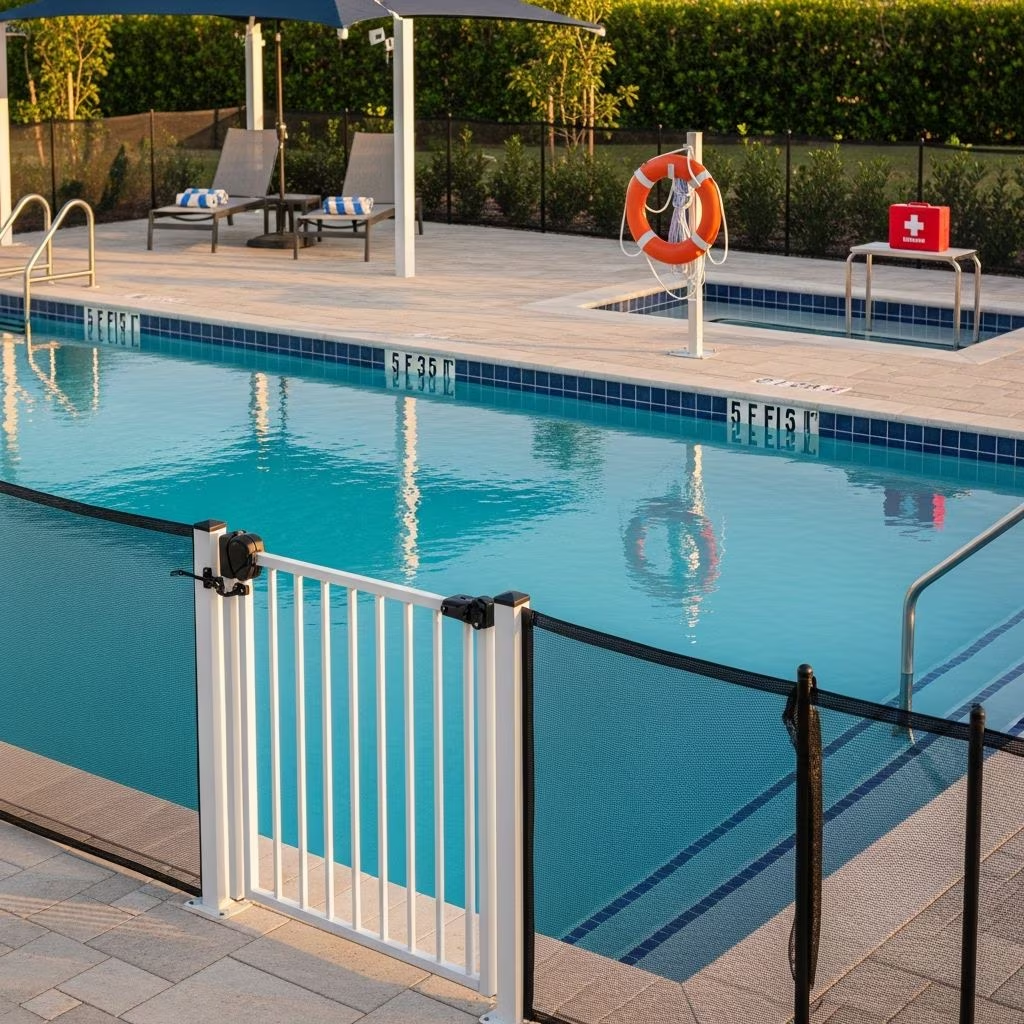
Pool fencing acts as the first line of defense against unsupervised access, especially for toddlers who can slip out unnoticed. Proper installation separates the pool from the home and play areas, buying critical seconds for intervention.
| Barrier Type | Key Requirements | Benefits |
|---|---|---|
| Four-Sided Fence | At least 4 feet high; self-closing, self-latching gates opening outward; latches 54+ inches from ground | Encloses pool fully, prevents child access from house |
| Above-Ground Pool Measures | Remove or lock ladders/steps when not in use | Blocks climbing entry points |
| Door/Window Alarms | Audio alerts for openings leading to pool | Alerts guardians to potential breaches |
| Pool Covers/Safety Nets | Strong enough to support weight; not for unsupervised use | Secondary barrier against falls |
Combine these with anti-entrapment drain covers to eliminate suction hazards that can trap hair or limbs.
Core Rules for Safe Pool Behavior
Enforcing consistent rules fosters a culture of caution around water. These guidelines apply to public pools, home setups, and open water, curbing slips, collisions, and reckless dives.
- No Running or Pushing: Wet decks are slippery; horseplay like dunking escalates injury risks.
- Feet-First Entry: Always check depth and scan for swimmers or objects before jumping—avoid headfirst dives in shallow or unknown areas.
- No Diving in Shallow Zones: Above-ground pools and ends under 9 feet deep prohibit dives to prevent spinal trauma.
- Buddy System: Never swim alone; pair up for mutual accountability.
- Snack-Free Swimming: Food or gum increases choking hazards during exertion.
Post these visibly and model compliance to reinforce habits.
Maintaining Crystal-Clear, Germ-Free Water
Proper sanitation prevents recreational water illnesses (RWIs) from bacteria, viruses, and parasites thriving in inadequately treated pools. Chlorine or bromine disinfection, balanced pH (7.2-7.8), and stable alkalinity form the backbone.
- Daily Testing and Adjustment: Monitor sanitizer levels (1-3 ppm free chlorine) and pH hourly during heavy use.
- Shock Treatment: Weekly super-chlorination kills contaminants after storms or high bather loads.
- Hygiene Protocols: Mandate showers before entry, frequent bathroom breaks for kids, and diaper changes away from water edges. No swallowing pool water.
Post-swim, dry ears completely to avert infections like swimmer’s ear, and change into dry clothes promptly to deter yeast growth.
Safe Handling of Pool Maintenance Chemicals
Improper chemical use causes thousands of injuries yearly, from burns to respiratory issues. Homeowners must treat these products with industrial caution.
- Read labels meticulously and store in original containers, locked away from kids/pets.
- Wear PPE (gloves, goggles, masks) during mixing; never combine products haphazardly.
- Add chemicals to water, not vice versa, in well-ventilated areas.
- Maintain a spill kit and eyewash station nearby.
Consult Model Aquatic Health Code for standardized protocols.
Emergency Preparedness and Rescue Techniques
Even with precautions, emergencies arise. Preparedness saves lives: keep rescue gear (shepherd’s crook, ring buoy, phone) poolside and ensure all supervisors know CPR.
- Reach, Throw, Don’t Go: Extend a pole or flotation aid to struggling swimmers; entering water risks dual victims.
- Call 911 Immediately: Activate professional response while providing care.
- Practice Drills: Run family scenarios to build muscle memory.
Avoid alcohol entirely around water, as it impairs judgment and coordination.
Special Considerations for Vulnerable Groups
Young children, non-swimmers, and those with disabilities require tailored strategies. Infants need touch supervision; teens may overestimate skills. Hydrate frequently, as swimming masks thirst despite exertion.
For open water, stick to lifeguarded beaches and heed hazard flags.
Frequently Asked Questions (FAQs)
What is the most effective way to supervise young swimmers?
Provide touch supervision in the water for toddlers and constant visual attention for older kids, free from phones or alcohol. Designate a sole watcher.
Are inflatable arm floats safe for babies?
No; they are not life-saving devices. Use Coast Guard-approved jackets instead.
How often should pool water be tested?
At opening/closing daily, and hourly during peak use to maintain safe chemical balance.
Can adults drown in shallow pools?
Yes; alcohol, medical events, or exhaustion contribute. Never swim alone.
What if a child gets hair caught in a drain?
Anti-entrapment covers prevent this; teach avoidance and ensure compliance with Virginia Graeme Baker Act standards.
References
- Guidelines for Keeping Your Pool Safe and Healthy — Centers for Disease Control and Prevention (CDC). 2023. https://www.cdc.gov/healthy-swimming/safety/what-you-can-do-to-stay-healthy-in-swimming-pools.html
- Healthy Swimming Habits — Duly Health and Care. 2024. https://www.dulyhealthandcare.com/health-topic/healthy-swimming-habits
- 7 Life-saving Pool Safety Rules — SafeSplash. 2023. https://www.safesplash.com/blog/7-pool-safety-rules
- Swimming Safety Tips — Safe Kids Worldwide. 2024. https://www.safekids.org/tip/swimming-safety-tips
- Water Safety at the Pool: 4 Key Tips for Parents — American Academy of Pediatrics (HealthyChildren.org). 2023-05-01. https://www.healthychildren.org/English/safety-prevention/at-play/Pages/Swimming-Pool-Safety.aspx
- Top Swim Safety Tips and the Signs of Drowning — Community First Health Plans. 2024. https://communityfirsthealthplans.com/blog/top-swim-safety-tips-and-the-signs-of-drowning/
- Swimming Safety — American Red Cross. 2024. https://www.redcross.org/get-help/how-to-prepare-for-emergencies/types-of-emergencies/water-safety/swim-safety.html