
Essential Home Safety Devices for Family Protection
Discover must-have safety devices that safeguard your home from fires, gases, leaks, and intruders for ultimate peace of mind.
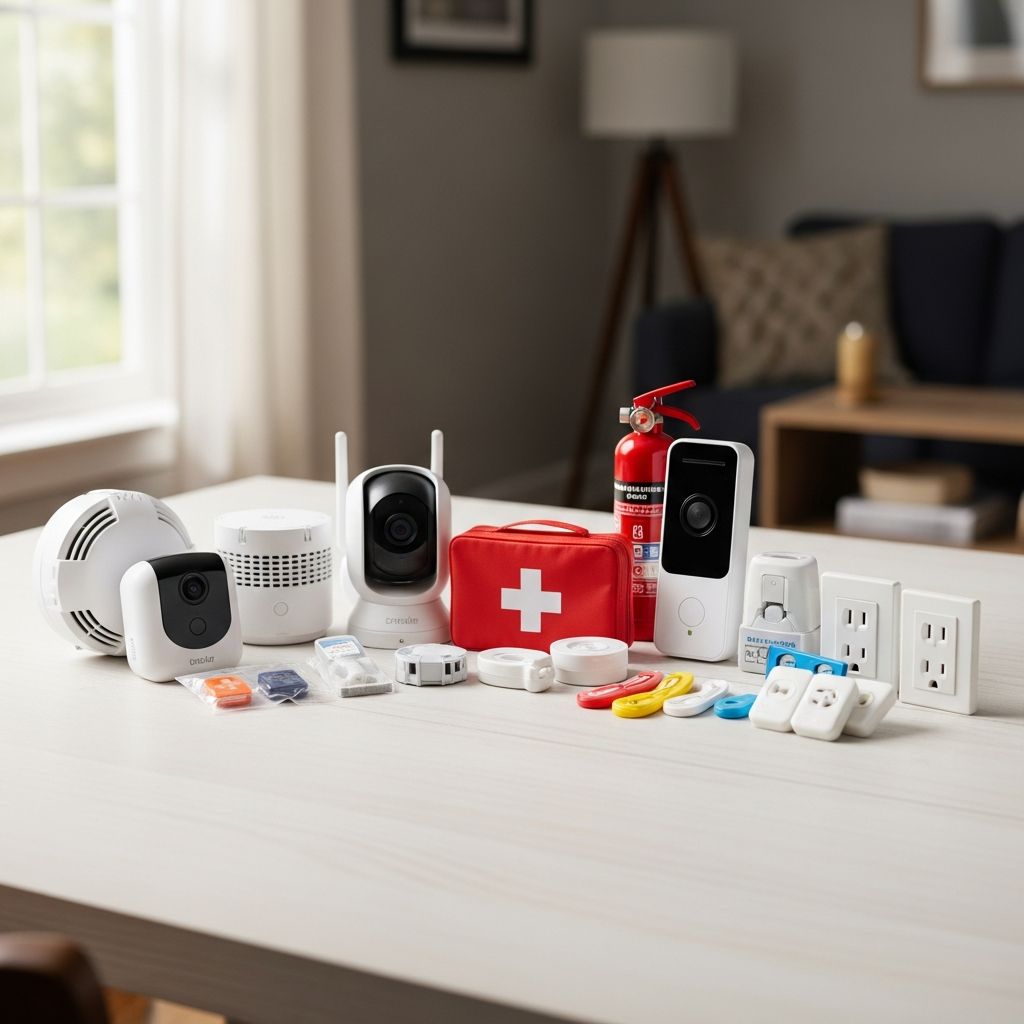
Protecting your household starts with installing reliable safety devices that detect dangers before they escalate. These tools address common threats like fires, toxic gases, water damage, and unauthorized entry, potentially saving lives and property. This guide explores key devices, their functions, placement strategies, and maintenance routines to create a secure living environment.
Why Prioritize Home Safety Devices?
Every year, residential emergencies cause thousands of injuries and fatalities. Proactive measures through detection technology provide early warnings, allowing quick responses. Devices integrate with smart home systems for remote monitoring, enhancing protection when occupants are away. Regular use correlates with reduced incident severity, as evidenced by fire safety statistics showing lower death rates in equipped homes.
Fire Detection: Smoke Alarms as First Line of Defense
Smoke alarms remain foundational for fire safety, sensing particles from combustion and emitting piercing alerts. Proper installation dramatically cuts fire-related deaths by alerting residents during critical sleep hours.
- Place units inside and outside bedrooms, on every level including basements, and near kitchens but away from cooking vapors.
- Opt for dual-sensor models detecting both smoldering and flaming fires for comprehensive coverage.
- Test monthly by pressing the button; replace units every 10 years or sooner if chirping persists.
Modern smart versions connect to apps, notifying users via smartphone even remotely. Combining with interconnected systems ensures all alarms sound simultaneously throughout the home.
Preventing Invisible Killers: Carbon Monoxide Detectors
Carbon monoxide, produced by incomplete fuel combustion in appliances like furnaces and stoves, claims lives annually due to its undetectable nature. Dedicated detectors identify low levels, preventing poisoning.
- Install near sleeping areas, on each floor, and avoid garages or fuel-burning equipment proximity.
- Choose sealed battery or plug-in models certified to UL 2034 standards for reliability.
- Respond to alarms by evacuating immediately, ventilating the space, and seeking fresh air before calling professionals.
Combination smoke-CO units streamline installation while covering multiple risks efficiently.
Gas Leak Detection for Fuel Safety
Natural gas leaks pose explosion and health hazards, despite odorants added by utilities. Specialized sensors provide continuous monitoring beyond human senses.
- Mount plug-in or battery-operated detectors near gas appliances, meters, and basements.
- Select models sensitive to methane and propane for broad protection.
- In case of activation, avoid switches or flames; evacuate and contact emergency services from outside.
Smart gas detectors integrate with home automation, shutting off supplies automatically upon detection.
Water Damage Prevention with Leak Sensors
Hidden leaks from pipes, appliances, or roofs lead to mold, structural damage, and high repair costs. Moisture sensors alert to water presence in vulnerable spots.
- Position under sinks, behind washers, near water heaters, and in basements or attics.
- Pair with auto-shutoff valves that halt water flow during leaks.
- App-connected models send instant notifications, enabling remote intervention.
Early detection minimizes insurance claims and preserves home integrity over time.
Advanced Electrical Safety Innovations
Electrical faults spark many fires. Arc-fault circuit interrupters (AFCIs) detect dangerous arcing before ignition, while tamper-resistant receptacles (TRRs) block child access to live outlets.
- Install AFCIs in bedroom, living room, and outlet circuits per National Electrical Code updates.
- Use TRRs in all new or renovated outlets, especially in child-accessible areas.
- Inspect GFCIs monthly in wet zones like bathrooms and kitchens.
These devices comply with safety standards, reducing shock and fire risks significantly.
Enhancing Security with Intrusion Prevention Tools
Beyond environmental hazards, securing against break-ins requires motion sensors, smart doorbells, and surveillance integration.
| Device | Key Features | Placement Tips |
|---|---|---|
| Smart Doorbell Camera | Video feed, two-way audio, motion alerts | Front entrance, porch |
| Motion Detectors | Indoor/outdoor PIR sensors, app notifications | Entry points, yards |
| Window/Door Sensors | Magnetic contacts, instant breach alerts | All accessible openings |
Full security systems link these for comprehensive monitoring, often with 24/7 professional response.
Specialized Detectors for Regional Risks
Depending on location, additional devices address unique threats. Radon monitors track radioactive soil gases linked to lung cancer, ideal for high-radon zones. Earthquake early-warning systems in seismic areas provide seconds of notice via apps or alarms.
- Test radon quarterly using continuous digital units.
- Earthquake detectors vibrate to alert before strong shaking.
Air quality monitors detect pollutants, VOCs, and particulates, benefiting allergy sufferers.
Maintenance and Integration Best Practices
Safety devices demand routine care to function reliably. Create a monthly checklist:
- Test all alarms and sensors.
- Replace batteries biannually or use lithium long-life options.
- Update smart device firmware for latest features.
- Integrate into a central hub for unified alerts.
Teach family emergency protocols, including escape routes and device responses.
Cost-Benefit Analysis of Safety Investments
Initial costs range from $20 for basic alarms to $200+ for smart systems, but savings from prevented disasters far outweigh expenses. Insurance discounts often apply for equipped homes, lowering premiums.
| Device Type | Avg. Cost | Potential Savings |
|---|---|---|
| Smoke/CO Alarm | $30-60 | Reduced fire damage claims |
| Water Sensor Kit | $50-150 | Avoids $10K+ flood repairs |
| Security System | $200-500 | Prevents theft losses |
Frequently Asked Questions (FAQs)
What is the most important home safety device?
Smoke alarms top the list, as they provide early fire warnings and are proven to halve fatality risks when maintained properly.
How often should I replace smoke detector batteries?
Twice yearly, ideally during time changes, even in hardwired units with backups.
Are smart safety devices worth the extra cost?
Yes, remote alerts and automation features offer superior protection, especially for busy households.
Do renters need these safety devices?
Absolutely; portable battery-operated models suit any living situation and enhance personal safety.
Can one device cover smoke and carbon monoxide?
Yes, combo units are effective and space-saving, certified to dual standards.
Building a Comprehensive Safety Plan
Layer multiple devices for robust defense. Start with basics like smoke and CO alarms, then add smart sensors tailored to your home’s risks. Consult local codes and professionals for installations. Regular drills ensure everyone knows response steps, turning potential tragedies into manageable events. By committing to these essentials, families gain confidence in a fortified sanctuary.
References
- Smoke Detector and Carbon Monoxide Detector Placement — U.S. Consumer Product Safety Commission (via ADT resources). 2023-05-15. https://www.cpsc.gov/s3fs-public/Home_Smoke_Alarms.pdf
- National Fire Protection Association: Smoke Alarms in U.S. Home Fires — NFPA. 2024-09-01. https://www.nfpa.org/news-blogs-and-articles/blogs/2024/09/01/smoke-alarms-in-us-home-fires
- Carbon Monoxide Poisoning Prevention — Centers for Disease Control and Prevention (CDC). 2025-01-10. https://www.cdc.gov/co/faqs.htm
- Electrical Safety Foundation: Home Safety Devices — ESFI. 2024-03-20. https://www.esfi.org/home-safety/home-safety-devices/
- Home Safety Checklist — U.S. Fire Administration. 2024-11-05. https://www.usfa.fema.gov/prevention/home-fires/
- Radon Health Risks — Environmental Protection Agency (EPA). 2025-02-14. https://www.epa.gov/radon
Similar Articles








Read full bio of Sneha Tete




