
Mastering Parking Lot Crashes: Essential Guide
Navigate parking lot collisions with confidence: safety steps, documentation tips, insurance strategies, and prevention advice for every driver.
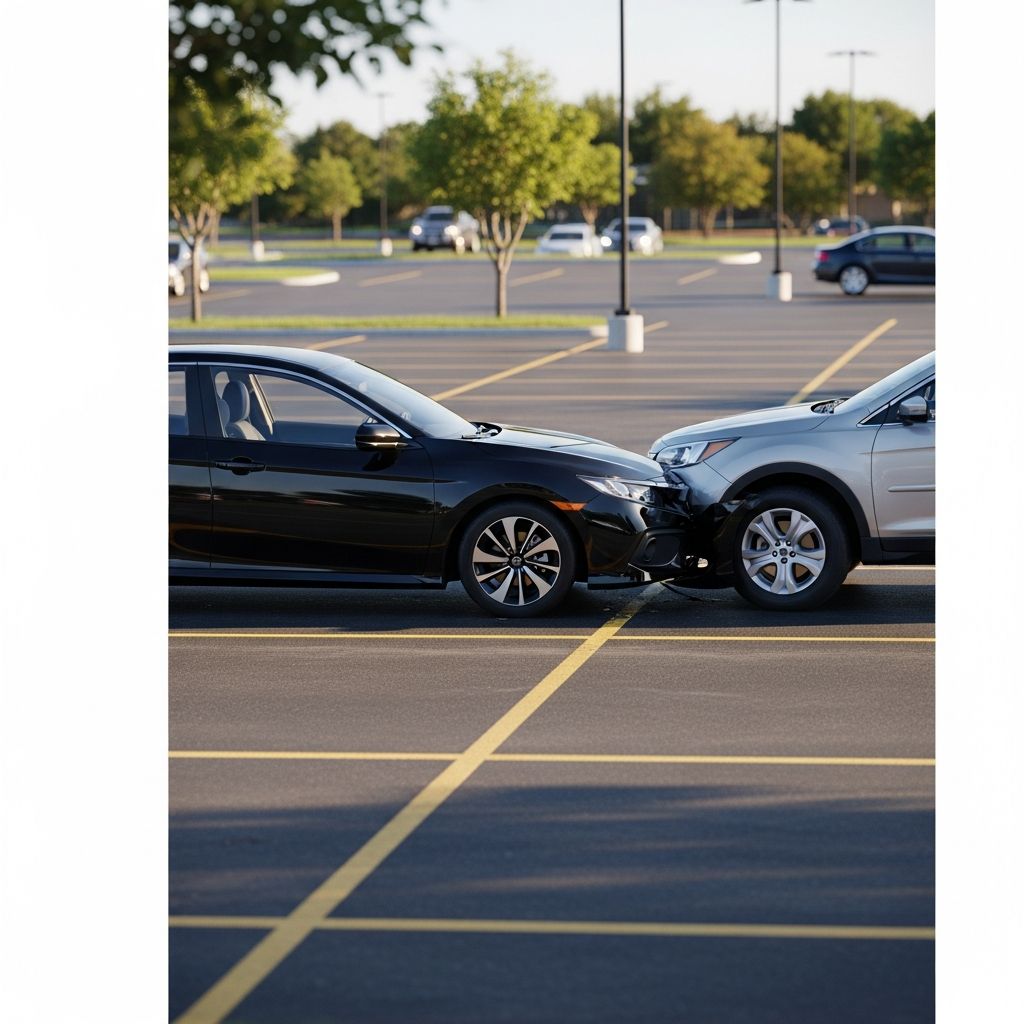
Parking lots may seem like low-risk zones, but they account for thousands of collisions annually, often involving unexpected maneuvers and pedestrian hazards. This guide equips drivers with actionable strategies to respond effectively, protect their rights, and minimize future risks.
Immediate Response: Securing Safety First
When a collision occurs, your top priority is ensuring everyone involved is safe. Turn on hazard lights to alert other drivers and move vehicles to a secure spot if possible without obstructing traffic. Check for injuries among all parties, including passengers and nearby pedestrians. If anyone reports pain or shows signs of distress, dial emergency services immediately, even for seemingly minor impacts that can cause hidden injuries like whiplash or concussions.
Adrenaline can mask initial symptoms, so monitor for delayed effects. Administer basic first aid if trained, but avoid moving severely injured individuals. In busy lots, this step prevents secondary accidents from distracted onlookers or passing vehicles.
- Activate hazard lights and relocate vehicles safely.
- Assess injuries and call 911 for serious cases.
- Provide aid cautiously and note any medical responses.
Documenting the Incident: Building Your Case
Thorough documentation transforms chaos into evidence. Use your smartphone to capture multiple angles of vehicle damage, license plates, and surrounding conditions like signage, lane markings, or potholes. Record the other driver’s details: name, contact info, license number, and insurance policy. Note the exact time, location, and weather.
Witnesses are gold—politely ask for their names and numbers. If the other party flees, check for surveillance cameras at nearby stores or garages and request footage promptly, as it may be erased soon. For private property incidents, notify management for their incident log.
| Documentation Checklist | Why It Matters |
|---|---|
| Photos of damage and scene | Proves extent and fault |
| Driver/owner info | Enables insurance contact |
| Witness contacts | Corroborates your account |
| Property signs/markings | Shows right-of-way violations |
| Police report (if filed) | Official record for claims |
Police Involvement: When and How to Report
Not all parking lot crashes require police, especially minor ones under $500 damage with no injuries and mutual agreement. However, always call if there’s injury, significant damage, or dispute. Police create an official report detailing fault, which insurers rely on heavily.
In many areas, officers may not respond to non-blocking minor fender-benders but will take reports over the phone or at the station. Request a copy for your records—it strengthens claims against lowball offers from insurers assuming low-speed minimal harm.
Handling Hit-and-Runs: Tracing the Culprit
Hit-and-runs escalate stress but are solvable with quick action. Note the time of discovery and photograph all damage. Scan for witnesses or cameras; businesses often retain footage briefly. Leave no stone unturned—check adjacent properties for views.
File a police report immediately, providing photos and details. Contact your insurer promptly; many cover hit-and-runs under collision or uninsured motorist policies. Persistence pays off, as partial plates or vehicle descriptions can lead to identifications.
If You’re the At-Fault Driver: Ethical and Legal Steps
Own your mistake—fleeing invites hit-and-run charges, even for scratches. Locate the owner via store announcements or notes under wipers with your full contact and insurance info. Wait if safe, photograph the scene, and exchange details amicably.
Minimal damage? Still notify your insurer. Waiting demonstrates good faith, potentially avoiding disputes. If unsafe, secure a note visibly and inform property staff.
Insurance Navigation: Claims That Win
Report to your agent within 24 hours, sharing all documentation. Expect scrutiny—insurers often undervalue parking lot claims due to presumed low speeds, despite risks of serious injury. Provide medical records if hurt; follow treatments to validate claims.
Private property nuances matter: no traffic laws apply directly, but negligence principles do. Property hazards like poor lighting may implicate owners. Consult a lawyer for substantial injuries before insurer talks to protect settlements.
- Submit claim with full evidence packet.
- Track medical care diligently.
- Report to property managers for premises liability.
Injury Realities: Beyond the Bump
Low-speed crashes belie dangers—20% involve injuries per some data. Soft-tissue damage, fractures, or psychological trauma emerge later. Seek evaluation promptly; records counter insurer denials.
Follow doctor orders; gaps weaken cases. For pedestrians or complex faults, legal aid ensures fair compensation covering bills, lost wages, and pain.
Prevention Blueprint: Drive Smarter in Lots
Avoidance beats reaction. Scan mirrors, use backup cams, and perform 360-walkarounds. Obey arrows, yield to pedestrians, and shun peak hours. Ditch distractions—phones cause many mishaps.
Choose pull-through spots; signal always. Watch for kids, carts, and erratic drivers cutting lanes.
| High-Risk Behaviors | Safer Alternatives |
|---|---|
| Speeding or cutting rows | Stay in lanes, drive 5-10 mph |
| Phone use while maneuvering | Hands-free or park first |
| Ignoring blind spots | 360 check + tech aids |
| Peak-time shopping | Off-peak visits |
Frequently Asked Questions (FAQs)
Do I need police for every parking lot crash?
No, not for minor no-injury fender-benders under damage thresholds, but call for injuries, disputes, or over limits to secure a report.
What if the other driver leaves?
Document everything, seek cameras/witnesses, file police report, and notify insurer for hit-and-run coverage.
Should I admit fault at the scene?
Avoid blame discussions; stick to facts and let police/insurers determine liability.
Can parking lots have different rules?
Yes, private property follows negligence laws, not strict traffic codes—hazards may fault owners.
How to prove injuries from low-speed hit?
Medical records, consistent treatment, and expert testimony counter assumptions.
Long-Term Lessons: Empowering Safer Roads
Parking lot mishaps teach vigilance. By mastering response protocols, drivers safeguard health, finances, and peace. Share these insights—fewer crashes benefit all.
References
- How To Deal With Parking Lot Accidents — State Farm. 2023. https://www.statefarm.com/simple-insights/auto-and-vehicles/how-to-deal-with-parking-lot-accidents
- How To Handle a Parking Lot Accident in Kansas City — Miller & Hine Law. 2025-05. https://www.millerandhinelaw.com/blog/2025/05/handling-parking-lot-accidents-in-kansas-city/
- How to handle a parking lot accident — American Family Insurance. 2023. https://www.amfam.com/resources/articles/on-the-road/parking-accidents-101
- What Steps to Take if You Are Injured in a Parking Lot Accident — Russell & Lazarus. 2023. https://www.russellandlazarus.com/what-steps-to-take-if-you-are-injured-in-a-parking-lot-accident/
- How to Handle Parking Lot Car Accidents — Frank M. Eidson P.A. 2023. https://www.frankeidson.com/blog/the-best-way-to-handle-parking-lot-car-accidents/
- Parking Lots are Dangerous: Tips for Navigating Parking Lot Collisions — Allen & Allen. 2023. https://www.allenandallen.com/blog/parking-lots-are-dangerous-tips-for-navigating-parking-lot-collisions/
- Parking Lots & Distracted Driving — National Safety Council. 2023. https://www.nsc.org/road/safety-topics/distracted-driving/parking-lot-safety
Similar Articles








Read full bio of medha deb




