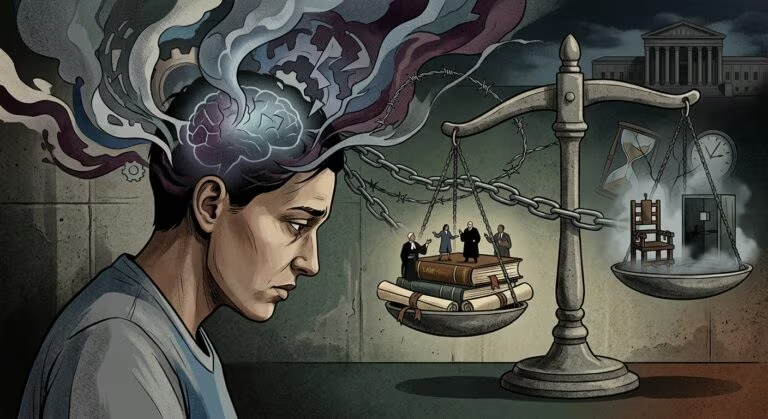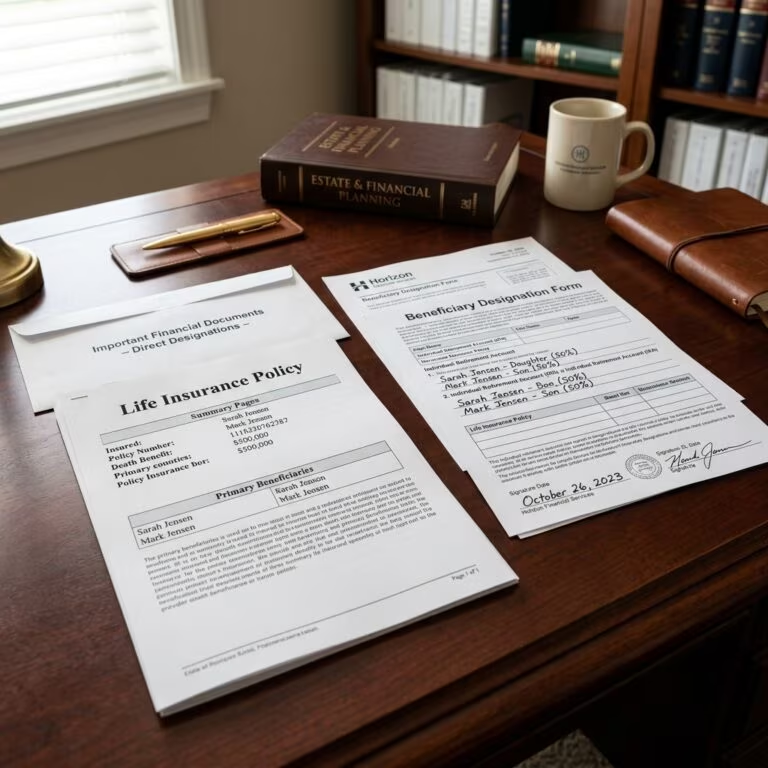
Understanding the Foundation of Estate Planning: Why Your Will Matters
Many people postpone one of the most significant financial and personal decisions of their lives: creating a will. Often, this delay stems from misconceptions about who needs a will or false assumptions that estate planning only applies to wealthy individuals. The reality is far different. A will serves as a foundational legal instrument that ensures your voice continues to guide your family’s decisions long after you’re gone. Whether you’re a young professional just starting your career, a parent with dependents, or someone nearing retirement, the absence of a will leaves critical decisions about your life’s work and your loved ones’ futures to chance and state law.
At its core, a will is a legally binding document that articulates your preferences regarding asset distribution, guardianship arrangements, and the handling of your estate. Without one, state intestacy laws determine these matters, which frequently contradicts individual wishes and can result in protracted legal proceedings, family conflict, and substantial financial costs.
Establishing Clear Direction for Your Assets and Possessions
One of the primary functions of a will is directing how your property, financial accounts, and possessions are allocated after your passing. This control represents more than a practical consideration—it reflects your values and priorities. Whether you own a home, vehicle, investment accounts, or personal items of sentimental value, your will enables you to specify exactly who receives what.
Without a will, the state applies a predetermined formula based on intestacy succession laws. This formula typically prioritizes spouses and biological children but rarely accounts for blended families, long-term partners, close friends, or charitable causes you championed during your lifetime. A friend who was like a sibling to you receives nothing. A favorite charitable organization remains unfunded. Your ex-spouse’s new partner might unexpectedly benefit from your estate.
Your will also provides the mechanism to make nuanced decisions about asset distribution. You might designate that your eldest child receives the family home while your youngest receives investment accounts. You can provide specific instructions for sentimental items—grandmother’s jewelry to your daughter, your father’s watch collection to your son. These granular choices ensure your estate reflects your intentions precisely.
Selecting the Right Executor to Manage Your Estate
The executor, also known as a personal representative, bears responsibility for managing your estate through the probate process. This role encompasses closing financial accounts, settling outstanding debts, liquidating assets when necessary, filing final tax returns, and distributing remaining property according to your will’s instructions. The executor essentially becomes the steward of your legacy during a complex legal and emotional period.
When you create a will, you choose this person—someone you trust implicitly to handle your affairs with integrity and competence. This might be a family member, close friend, or professional fiduciary. Without a will, a court appoints someone to this position, often based on intestacy law preferences. The court’s choice may not align with your confidence in that person’s abilities or their willingness to undertake such responsibility.
The executor you select bears a significant burden, particularly when estates are complex or family dynamics are complicated. By naming someone in your will, you accomplish two things: you ensure someone capable takes charge, and you spare your loved ones the added stress of court proceedings to determine who should manage your affairs during their grief.
Guardianship Decisions: Protecting Your Minor Children
For parents, perhaps no decision in a will carries greater weight than designating guardians for minor children. This selection determines who will provide daily care, make educational decisions, and guide your children’s upbringing if both parents pass away. Guardianship encompasses physical custody, medical decision-making authority, and oversight of your child’s general welfare and development.
Creating a will allows you to thoughtfully select individuals who share your values regarding child-rearing, education, religious upbringing (if relevant), and lifestyle priorities. You can name primary guardians and alternate guardians, ensuring that if your first choice cannot serve, a backup arrangement protects your children’s interests. Some parents separate roles, designating one person as the physical guardian while naming another as the financial guardian responsible for managing inheritances and trusts established for the children.
When parents die intestate, courts appoint guardians based on statutory guidelines that may not reflect parental preferences. Extended family members might pursue guardianship despite lacking strong relationships with your children. A court-appointed guardian, however well-intentioned, may not understand your children’s specific needs, emotional sensitivities, or your vision for their development. The will removes this uncertainty, providing your children stability and ensuring they remain with people you’ve chosen.
Mitigating Family Conflict During Emotional Circumstances
The period following someone’s death is emotionally turbulent. Grief clouds judgment, and unresolved family tensions often surface when stakes are high. Without a will, ambiguity about the deceased’s intentions creates fertile ground for conflict. Did your parents intend for your brother to receive the cottage, or were they saving it for you? Should your sister’s financial struggles warrant a larger inheritance share? These questions, left unanswered, transform into disputes that can permanently damage family relationships.
A will eliminates guesswork by explicitly documenting your wishes. While some family members may disagree with your decisions, the legal clarity provides a foundation for acceptance. When your instructions are in writing, signed, and executed according to legal requirements, the document carries weight that conversation or vague intentions never achieve. Family members know they cannot successfully challenge your stated preferences—your will stands as your final word on the matter.
Additionally, a clear will often prevents the most contentious disputes from arising in the first place. When distribution is unambiguous, fewer opportunities exist for competing interpretations. This clarity brings peace during what is already a difficult time, allowing families to grieve together rather than fighting over assets or meaning.
Avoiding Probate Complications and Associated Costs
Probate—the court-supervised process of settling an estate—can extend for months or years, particularly in complex situations. Court fees, attorney costs, executor compensation, and administrative expenses accumulate, sometimes consuming 3-7% of a small estate’s value. These costs reduce the amount available for your beneficiaries and delay distributions.
While a will does not eliminate probate, it significantly streamlines the process by providing clear instructions that reduce court involvement and eliminate disputes requiring judicial resolution. Your executor can proceed with confidence, knowing exactly what you wanted. Probate becomes more efficient when there’s no ambiguity about asset division or beneficiary identity.
Furthermore, a well-drafted will can work in concert with other estate planning tools—trusts, beneficiary designations, and joint ownership arrangements—to minimize or bypass probate entirely for certain assets. A comprehensive will functions as part of a strategic estate plan that protects your family from unnecessary legal entanglement and expense.
Providing for Dependents with Special Circumstances
Life circumstances often create situations requiring specialized provisions in your will. If you have adult children with disabilities, significant health challenges, or financial difficulties, a standard equal distribution may not serve their needs appropriately. Your will allows you to establish structures that protect vulnerable dependents without creating unintended consequences.
For example, if an adult child receives Social Security disability benefits or government assistance based on financial need, a direct inheritance could disqualify them from those programs. Through your will, you can establish a supplemental needs trust that provides for their welfare without jeopardizing benefits. Similarly, you might direct that one child’s inheritance be held in trust, with distributions managed by a trustee, rather than providing outright access to funds.
Your will can also address ongoing support for aging parents, assistance for siblings facing hardship, or provisions for pets you treasure. These decisions reflect the complexity of family life and allow your will to address real-world situations rather than applying one-size-fits-all distributions.
Supporting Charitable Causes and Community Values
Many individuals care deeply about causes larger than themselves—educational institutions, healthcare organizations, environmental groups, or local charities. A will provides a vehicle for supporting these causes through charitable bequests. You can designate specific monetary amounts to charities, leave percentages of your estate, or establish charitable giving as part of your legacy.
Without a will specifying charitable intentions, this dimension of your values disappears. Your estate passes to family members determined by state law, and organizations you supported during your lifetime receive nothing. Through deliberate will provisions, you ensure that your resources continue advancing causes you believe in, creating lasting impact aligned with your values.
Protecting Unmarried Partners and Non-Traditional Family Structures
Contemporary families rarely follow traditional patterns. Many people share their lives with unmarried partners, maintain close relationships with friends functioning as family, or exist within blended family arrangements. Intestacy law, developed for different eras, often fails to recognize these relationships.
If you’re in an unmarried partnership, your partner receives nothing under most state intestacy laws. Your children from a previous relationship would inherit instead, potentially leaving your current partner without resources for housing, healthcare, or living expenses. A will allows you to provide for your partner, ensuring they’re not left vulnerable after your death.
Similarly, if close friends function as family in your life, a will enables you to include them in your estate distribution. You can acknowledge and provide for people who matter most to you, regardless of biological relationship or legal marital status.
Gaining Peace of Mind and Taking Control of Your Legacy
Beyond the practical and legal functions, creating a will provides intangible but significant benefit: peace of mind. Knowing you’ve addressed crucial decisions, documented your wishes, and protected your loved ones brings psychological comfort. This security extends to your family as well—they gain reassurance that your affairs are organized and your intentions are clear.
Creating a will represents an act of responsibility and love. It demonstrates that you’ve thought carefully about your family’s future, your values regarding asset distribution, and your wishes for those you care about most. This forethought, crystallized in a legal document, allows you to shape your legacy and ensure that your voice guides decisions long after you can speak.
Common Misconceptions About Wills
Several myths prevent people from creating wills. Many believe wills are only necessary for wealthy individuals, when in reality, anyone with assets, dependents, or wishes about their legacy needs a will. Others think creating a will is prohibitively expensive, when many online platforms and legal services offer affordable options. Some delay believing they’re too young or healthy for such planning, forgetting that accidents and unexpected illness can strike at any age. Understanding these misconceptions and rejecting them is essential for responsible personal planning.
Frequently Asked Questions
Q: At what age should I create my first will?
A: Most legal experts recommend creating a will once you reach adulthood and have assets or dependents to protect. Young people with student loans, vehicles, or life insurance should consider a will. Parents should definitely create one before their children reach adulthood.
Q: Can I change my will after creating it?
A: Yes. You can amend your will through a codicil (a formal amendment) or create an entirely new will. Most people review and update their wills every 3-5 years or after major life changes like marriage, divorce, or significant financial changes.
Q: What happens if I die without a will?
A: Dying intestate means the state’s succession laws determine how your estate is distributed, who raises your minor children, and who manages your affairs. This process is often slower, more expensive, and rarely aligns with individual preferences.
Q: Do I need an attorney to create a will?
A: While not legally required, attorney guidance ensures your will complies with state-specific requirements and addresses your situation comprehensively. However, simple wills can be created using online legal services or templates for straightforward estates.
Q: Can my will include provisions for pets?
A: Yes. Your will can designate who cares for your pets after you pass and may include funds for their support. Some people establish pet trusts with detailed instructions for their animal companions’ care.
Q: How private is my will?
A: Wills become public record once they enter probate. If privacy is a concern, you can combine a will with trusts or other estate planning tools that remain confidential.
References
- 10 Reasons You Need a Will — LegalShield. Accessed April 2026. https://www.legalshield.com/blog/importance-having-will
- The 10 Most Important Reasons to Have a Will — FreeWill. Accessed April 2026. https://www.freewill.com/learn/10-reasons-to-have-a-will
- 10 Important Reasons Why Everyone Needs a Will — Planned Giving. Accessed April 2026. https://www.plannedgiving.com/10-important-reasons-why-you-need-a-will/
- Ten Reasons Why You Should Prepare a Will — Lerch, Early & Brewer. Accessed April 2026. https://www.lerchearly.com/news/ten-reasons-why-you-should-prepare-a-will/