
Courtroom Conduct Essentials for Clients
Empower your clients with vital courtroom behavior strategies to enhance case outcomes and earn judicial respect.
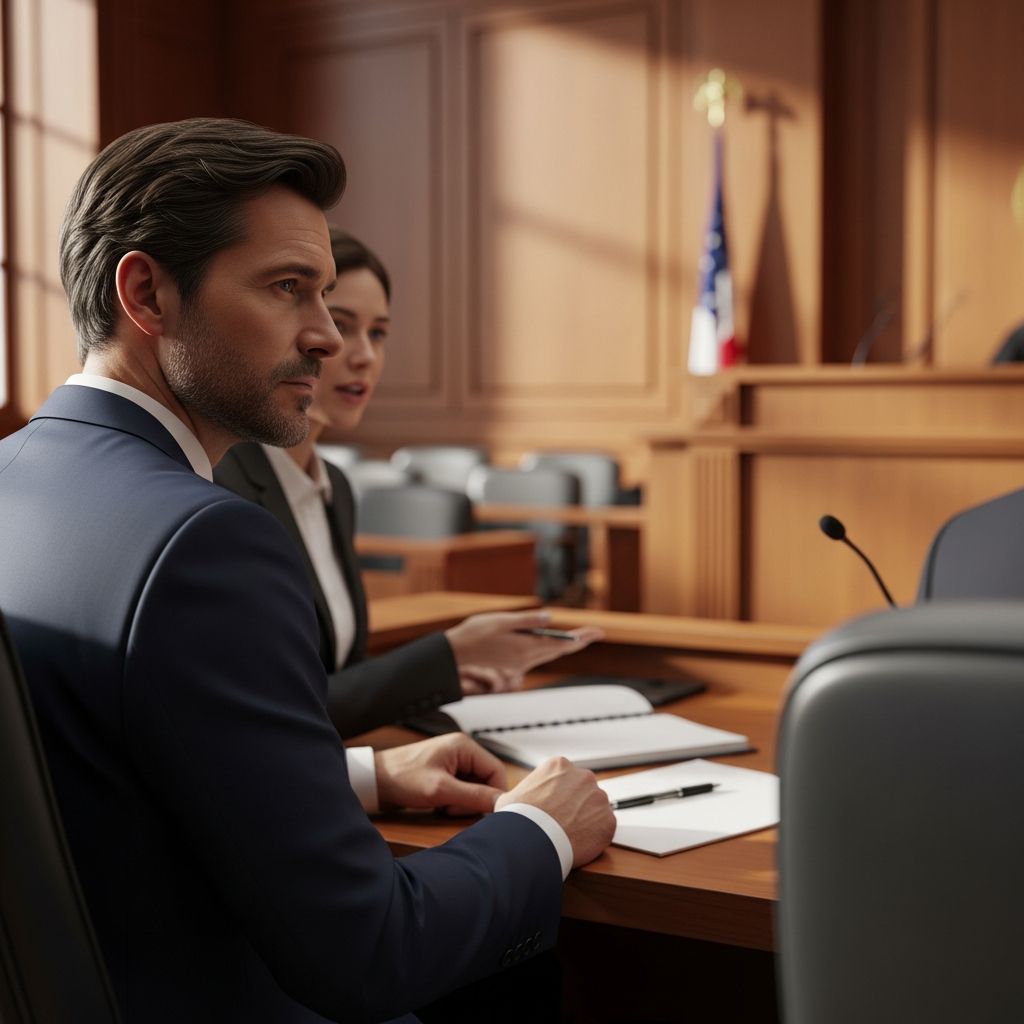
Navigating a courtroom demands more than legal knowledge; it requires impeccable behavior to influence perceptions and outcomes positively. Attorneys play a crucial role in preparing clients for this high-stakes environment, where small missteps can undermine credibility. This guide equips lawyers with strategies to coach clients effectively, drawing from established practices to foster professionalism and respect.
Why Courtroom Demeanor Matters
A client’s conduct shapes the judge’s, jury’s, and staff’s impressions, often tipping the scales in subtle ways. Professionalism signals reliability and seriousness, while lapses can lead to contempt charges or unfavorable rulings. Studies from legal practice resources emphasize that respectful behavior correlates with smoother proceedings and higher success rates. Preparing clients holistically ensures they contribute to rather than hinder their case.
Mastering Punctuality and Preparation
Arriving on time—or better yet, early—is foundational to courtroom success. Courts operate on tight schedules, and tardiness disrespects everyone involved, potentially delaying resolutions. Advise clients to plan for traffic, parking, and security screenings, aiming to arrive 30-60 minutes ahead.
- Review the docket beforehand to anticipate wait times.
- Prepare all documents and notes in an organized folder.
- Confirm hearing details with counsel the day prior.
Early arrival allows observation of proceedings, reducing anxiety and providing insights into the judge’s style. This preparation mindset extends to mental readiness: encourage deep breathing exercises to maintain composure.
Selecting the Right Attire and Grooming
Clothing choices communicate respect and intent. Recommend conservative, business-appropriate outfits: suits or slacks with button-down shirts for men; dresses, skirts, or pantsuits for women. Avoid flashy colors, logos, jeans, shorts, or revealing garments.
| Appropriate Attire | Inappropriate Attire |
|---|---|
| Suits, ties, dress shoes | T-shirts, sneakers, hats |
| Blouses, skirts, heels/flats | Tank tops, flip-flops, excessive jewelry |
| Neutral colors (navy, black, gray) | Bright patterns, athletic wear |
Grooming matters too: neat hair, minimal makeup, trimmed nails, and no strong scents. Cleanliness reflects self-respect and consideration for others in close quarters. For virtual hearings, the same standards apply—dress fully and ensure a professional background.
Communicating Effectively and Respectfully
Speech in court must be clear, concise, and courteous. Instruct clients to speak only when addressed, using formal language without slang, filler words, or qualifiers like “um” or “I think.” Enunciate loudly enough for the record but without shouting.
Always address the judge as “Your Honor.” Stand when speaking or when the judge enters/exits. Responses should be direct: “Yes, Your Honor” or “No, Your Honor”. Avoid arguing, interrupting, or displaying frustration through sighs or eye-rolls—these signal disrespect.
- Practice responses with clients via mock sessions.
- Emphasize listening actively without fidgeting.
- Remain calm even if rulings seem adverse.
Controlling Devices and Distractions
Modern distractions like phones can derail proceedings. Mandate powering off all devices before entering—no silent mode, as vibrations or lights still disrupt. Gum chewing, eating, or excessive movement is prohibited; sit attentively with hands folded.
Advise leaving non-essential items outside. If a child or companion must attend, ensure they are briefed on silence. In virtual settings, mute microphones when not speaking and test technology beforehand.
Interacting with Court Personnel and Opposing Parties
Courtesy extends to clerks, bailiffs, reporters, and opponents. Politeness with staff can ease scheduling and logistics, as they influence judicial workflows. Treat adversaries professionally—firm rebuttals stay factual, never personal or aggressive.
Golden rule: Treat others as you wish to be treated. A smile, “thank you,” and patience build goodwill. Observers note that congenial clients often fare better in discretionary matters.
Navigating Emotional Challenges
Trial stress tempts emotional outbursts, but composure wins cases. Coach clients to pause before responding, focusing on facts over feelings. If agitated, suggest mental anchors like counting breaths. Even aggressive opponents shouldn’t provoke retaliation—let professionalism shine.
For first-timers, normalize nerves but stress that control demonstrates strength. Role-play contentious scenarios to build resilience.
Special Considerations for Different Court Types
While principles are universal, nuances vary. Small claims courts tolerate slight informality but demand respect. Criminal hearings heighten stakes, requiring extra restraint. Virtual courts mirror in-person rules: full attire, eye contact via camera, no multitasking. Tailor advice accordingly.
Common Mistakes and How to Avoid Them
- Tardiness: Set multiple alarms and maps.
- Over-speaking: Let counsel lead; nod affirmatively.
- Poor Posture: Sit straight, avoid slouching or crossing arms defensively.
- Device Mishaps: Designate a keeper outside for emergencies.
- Disrespectful Gestures: Practice neutral expressions in mirrors.
Frequently Asked Questions (FAQs)
What should I do if I’m running late?
Notify your attorney immediately and expedite arrival. Apologize briefly to the court without excuses, then focus forward.
Can I bring my phone for emergencies?
Power it off completely. Use a friend outside for messages.
How do I address opposing counsel?
Use “Counsel” or their name politely; avoid familiarity or hostility.
What if the judge seems biased?
Remain respectful; note concerns for appeal through proper channels, not in-court reactions.
Is virtual court etiquette different?
No—dress professionally, maintain focus, and treat it as in-person.
Empowering Clients for Victory
Thorough preparation transforms nervous clients into confident participants. Regular drills, checklists, and empathy from attorneys yield disciplined conduct. Ultimately, exemplary behavior not only safeguards rights but elevates the entire legal process.
References
- A Lawyer’s Guide to Courtroom Etiquette: Eight Tips for Success — Texas Bar Practice. Accessed 2026. https://www.texasbarpractice.com/blog/courtroom-etiquette-tips/
- Master Courtroom Etiquette: Top 5 Tips for a Successful Hearing — Wirth Law Office. 2024-12. https://www.wirthlawoffice.com/tulsa-attorney-blog/2024/12/master-courtroom-etiquette-top-5-tips-for-a-successful-hearing
- 11 Tips First Court Appearance — Minick Law, P.C. Accessed 2026. https://www.minicklaw.com/11-tips-first-court-appearance/
- A Guide to Courtroom Etiquette: How to Conduct Yourself in Court — Bryan Law. Accessed 2026. https://bryanlaw.com/courtroom-etiquette/
- Courtroom Behavior and What to Expect in the Courtroom — People’s Law. Accessed 2026. https://www.peoples-law.org/what-expect-courtroom
- Courtroom etiquette and professionalism: tips for lawyers on pre-trial — Provincial Court of British Columbia. 2026-03-17. https://provincialcourt.bc.ca/news-notices-policies-and-practice-directions/enews/17-03-2026
Similar Articles








Read full bio of Sneha Tete




