
Legal Responsibility in Escalator Accidents
Discover who bears legal responsibility when escalator accidents cause injury and how to pursue compensation.
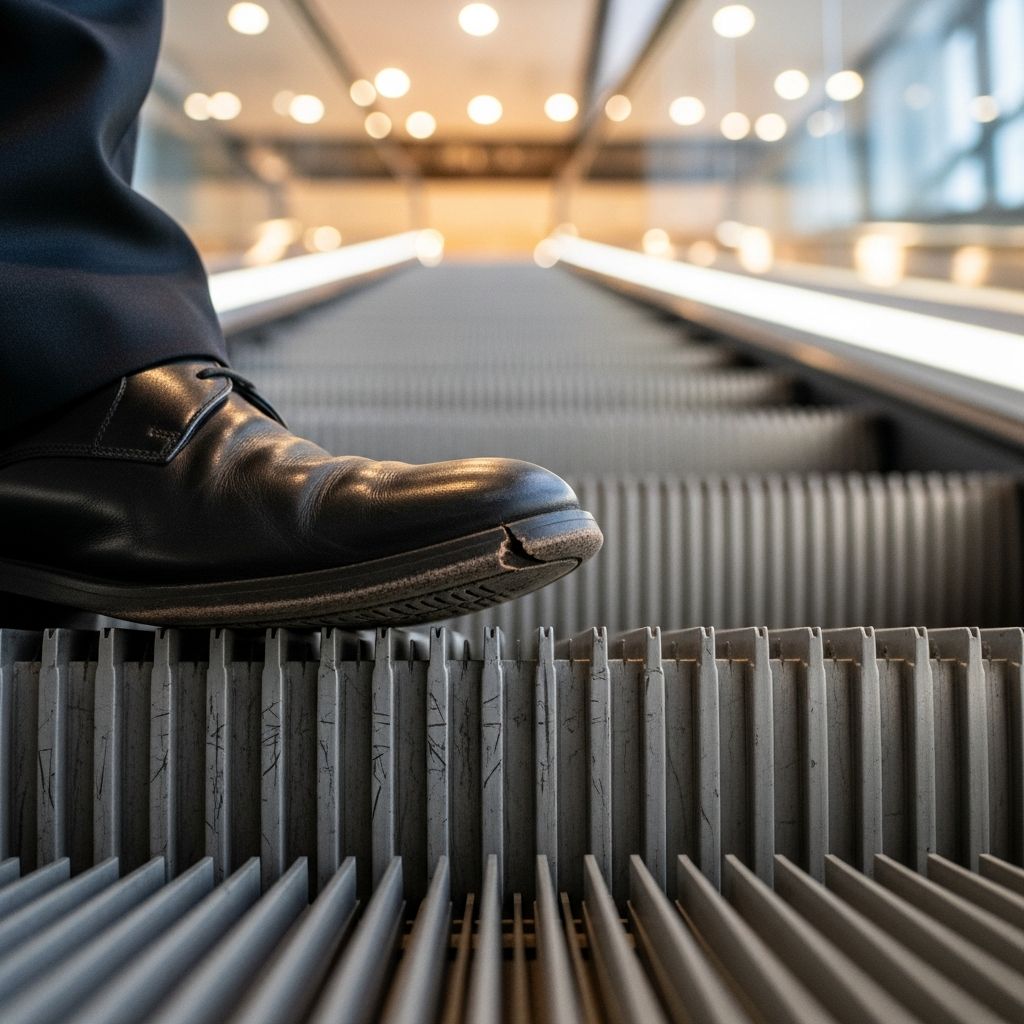
Understanding Escalator Accidents and Legal Responsibility
Escalator accidents represent a significant category of personal injury cases that can result in serious, life-altering consequences for victims. When someone is injured on an escalator, determining who bears legal responsibility becomes a critical first step toward obtaining compensation. Unlike simpler accident scenarios, escalator injuries typically involve multiple parties and complex legal frameworks that require careful investigation and expert analysis to establish liability.
The legal landscape surrounding escalator accidents is rooted in premises liability law, a foundational principle that holds property owners and operators accountable for maintaining safe environments. However, responsibility extends far beyond the building owner alone. Manufacturers, maintenance contractors, installers, and property managers may all share portions of liability depending on the specific circumstances surrounding the accident.
The Foundation: Premises Liability and Your Rights
Premises liability represents the legal doctrine under which property owners must provide reasonably safe conditions for those who enter their establishments. This responsibility encompasses regular inspections, timely repairs, proper maintenance, and adequate warnings about known hazards. When property owners breach these duties through negligence, they become liable for resulting injuries.
To successfully establish a premises liability claim following an escalator accident, victims must demonstrate four essential elements. First, the responsible party owed a legal duty to maintain safe conditions. Second, that party breached this duty through action or inaction. Third, the breach directly caused the victim’s injuries. Fourth, measurable damages resulted from the accident, including medical expenses, lost income, or pain and suffering.
The level of duty owed varies depending on the victim’s classification. Invitees—individuals invited to the property for business purposes such as customers at shopping centers or hotel guests—receive the highest level of protection. Property owners must actively maintain safe conditions and warn invitees of known dangers. Licensees, who are present with permission but not for business purposes, receive a moderate level of protection. Trespassers generally receive minimal protection, though property owners still cannot intentionally harm them.
Identifying All Potential Responsible Parties
Building Owners and Property Operators
Property owners bear primary responsibility for maintaining safe environments throughout their facilities, including escalators. This duty encompasses scheduling regular inspections, authorizing necessary repairs, addressing safety concerns promptly, and ensuring maintenance certifications remain current. When property owners neglect these responsibilities, they become directly liable for resulting injuries. Building owners may operate independently or contract with management companies to oversee daily operations, but legal responsibility for safety remains primarily with the property owner.
Maintenance and Service Contractors
Most commercial escalators require specialized maintenance performed by contracted service companies. These contractors conduct inspections, perform repairs, lubricate moving parts, test safety systems, and verify code compliance. When maintenance companies fail to service equipment properly, overlook critical hazards, or ignore safety alerts, they may bear substantial liability for accidents. Maintenance records become crucial evidence in establishing whether contractors fulfilled their obligations.
Equipment Manufacturers and Designers
Escalator manufacturers can be held liable under product liability law when design flaws, structural weaknesses, or mechanical defects cause accidents. Unlike negligence claims, product liability cases often do not require proving the manufacturer knew about the defect. Victims need only demonstrate that the escalator was defectively designed, defectively manufactured, or lacked adequate warnings about inherent risks. This distinction significantly simplifies liability determination against manufacturers.
Installation Companies and Contractors
Companies responsible for installing escalators must follow specifications and obtain necessary permits before operations begin. In many jurisdictions, installers bear responsibility for safe operation until an official certificate of operation has been issued. Installation errors, improper setup, or failure to follow safety protocols can create latent defects that lead to accidents long after initial installation.
Third Parties and Other Riders
In certain circumstances, other escalator users may bear liability for accidents. Individuals using escalators have a duty to exercise reasonable care and avoid injuring others. Reckless behavior, intentional harm, or gross negligence by fellow riders could result in liability for injuries they cause to other users.
Common Causes of Escalator Accidents and Negligence
Understanding how escalator accidents occur helps establish negligence in liability claims. Preventable accidents often result from identifiable failures in maintenance, operation, or design. Missing scheduled inspections allow deteriorating conditions to worsen without detection. Failure to address known safety concerns creates preventable hazards. Ignoring service alerts from monitoring systems delays necessary repairs. Allowing maintenance certifications to expire eliminates documented proof of safety compliance.
Physical hazards frequently implicated in escalator accidents include faulty brake systems that fail to stop escalators appropriately, sudden stops that throw riders forward or cause falls, worn or damaged steps that create tripping hazards, missing or deteriorated handrails, gaps at comb plates where feet and clothing can become trapped, inadequate lighting that obscures hazards, and debris or spills on steps. Property managers must address these conditions promptly or warn customers to avoid using dangerous escalators.
Injury Patterns and Liability Implications
Escalator accidents produce distinctive injury patterns that often indicate the specific failure that caused the accident. Crush injuries affecting feet and hands typically result from comb plate entrapment—the grooved sections at escalator tops and bottoms where steps engage the track. Severe sprains, strains, and soft tissue damage suggest sudden stops, falls, or loss of footing. Nerve damage leading to numbness or chronic pain may indicate compression injuries. Facial injuries including orbital fractures and dental trauma typically result from falls where riders strike escalator components or other passengers. Internal injuries, including organ bruising and internal bleeding, can develop from blunt force trauma during falls.
These injury patterns provide forensic evidence that helps establish exactly how negligence caused the accident. Expert investigators examine injury locations and types, compare them against the escalator’s mechanical condition, and determine which party’s failure produced the specific harm pattern.
Building a Compelling Liability Case Through Evidence
Critical Evidence Categories
Successful escalator accident claims depend on comprehensive evidence collection and expert analysis. Scene documentation provides the foundation—photographs and videos of the escalator, surrounding conditions, step conditions, handrails, comb plates, warning signs, and any spills or hazards establish the physical environment where the accident occurred. Preserving damaged clothing and footwear can demonstrate how entrapment or damage occurred.
Maintenance records reveal whether the responsible party fulfilled inspection and repair obligations. Gaps in maintenance schedules, missed service appointments, or overdue certifications establish breaches of duty. Inspection reports showing identified hazards that were never addressed strengthen negligence claims. Repair invoices showing delayed or incomplete repairs also demonstrate inadequate maintenance practices.
Expert testimony becomes essential in escalator cases. Engineers and mechanical specialists can examine the escalator, perform testing, and determine whether equipment failures, design flaws, or maintenance lapses caused the accident. Safety specialists can testify regarding industry standards and whether the property owner’s practices met minimum safety requirements. Medical experts establish the connection between the accident and injuries sustained.
Witness statements from other riders, staff members, or bystanders provide immediate observations about how the accident occurred. Written incident reports filed at the location document the initial account of what happened. Medical records establish the immediate injuries and ongoing treatment needs. Photographs of injuries taken shortly after the accident provide additional documentation.
Understanding Comparative Negligence in Escalator Claims
Many states employ modified comparative negligence systems that assign percentage responsibility to each party involved in an accident, including the injured victim. In these jurisdictions, victims cannot recover damages if they are found more than 50% responsible for their own injuries. Even if victims are partially at fault, they can recover damages reduced by their percentage of responsibility.
In escalator accident cases, comparative negligence considerations might include whether the victim was wearing appropriate footwear, whether they held handrails, whether they heeded warnings, whether they were distracted, or whether they engaged in reckless behavior on the escalator. However, victims are not expected to guard against hidden defects or unknown hazards they could not reasonably anticipate. Property owners cannot shift blame to victims when they failed to maintain safe conditions or provide adequate warnings.
Calculating Damages in Escalator Accident Claims
Compensation in escalator accident cases covers both economic and non-economic damages. Economic damages include all directly measurable financial losses: medical expenses for immediate treatment and ongoing care, rehabilitation therapy and physical restoration costs, lost wages during recovery periods, reduced earning capacity if injuries prevent returning to previous employment levels, and medical equipment or home modifications necessitated by the injuries.
Non-economic damages compensate for subjective harm: pain and suffering experienced during recovery, emotional distress and trauma related to the accident, diminished quality of life, loss of enjoyment in activities previously enjoyed, permanent disability affecting future life functioning, and visible scarring or disfigurement affecting appearance. In extreme cases involving reckless disregard for safety or grossly negligent conduct, courts may award punitive damages intended to punish the defendant and deter similar future conduct.
Navigating Insurance and Multiple Defendants
Escalator accident cases often involve multiple insurance policies with varying coverage limits, exclusions, and overlapping responsibilities. Property owners typically maintain general liability insurance covering premises accidents. Maintenance contractors carry their own liability coverage. Manufacturers may have product liability policies. Each policy contains different coverage amounts and exclusions that affect available compensation.
When multiple defendants share liability, your attorney must navigate complex insurance negotiations to ensure fair compensation. Insurance companies may attempt to shift responsibility to other parties or challenge liability determinations. An experienced attorney understands these dynamics and can advocate effectively across multiple claims.
Immediate Steps Following an Escalator Accident
Taking appropriate action immediately after an escalator accident protects your legal rights and creates crucial evidence. Report the incident to building management or security personnel without delay, providing accurate details of what happened. Request written incident reports and obtain copies for your records. Document the scene comprehensively through photographs and videos showing the escalator, surrounding conditions, and any visible hazards or warnings.
Seek medical attention promptly, even if injuries seem minor. Medical professionals can identify injuries not immediately apparent, create official medical records documenting the accident connection, and provide treatment establishing your injury severity. Gather contact information from witnesses, including names, phone numbers, and email addresses. Collect business cards from any security personnel or staff members who responded.
Preserve physical evidence including the shoes and clothing you wore during the accident, as these may show how entrapment or injury occurred. Avoid providing recorded statements to insurance company representatives or property managers until consulting with an attorney, as these statements may be used against your claim. Contact a qualified personal injury attorney experienced in escalator accident claims before communicating further with responsible parties.
The Critical Role of Legal Representation
Escalator accident claims present complexity that justifies professional legal representation. Experienced attorneys understand premises liability law, can identify all potentially responsible parties, know how to obtain crucial evidence before it disappears, can evaluate settlement offers fairly, and can litigate effectively when negotiations fail. Attorneys work with medical experts, engineers, and investigators to build compelling cases supported by solid evidence and expert testimony.
Insurance companies and property managers have extensive experience defending these claims and often employ strategies to minimize compensation. Having an attorney levels this playing field, ensuring your rights receive proper protection and your injuries receive fair compensation.
Frequently Asked Questions About Escalator Accident Liability
Q: What is the difference between an escalator accident claim and a simple slip-and-fall claim?
A: Escalator accidents often involve mechanical failures, design defects, or equipment malfunctions in addition to maintenance issues, creating product liability considerations that simple slip-and-fall cases lack. Multiple defendants—including manufacturers and maintenance contractors—often share responsibility, making escalator cases more complex.
Q: Can I hold the escalator manufacturer liable even if the property owner failed to maintain equipment?
A: Yes. If the escalator had a design defect or manufacturing flaw, the manufacturer can be held liable under product liability law, regardless of maintenance issues. You may pursue claims against both the manufacturer and the property owner when each bears some responsibility.
Q: How long do I have to file an escalator accident claim?
A: Statutes of limitations vary by state but typically range from two to four years from the injury date. Some states allow longer periods for certain injury types. Consult an attorney immediately to understand your specific deadline.
Q: What should I do if the property owner claims I was partially responsible for the accident?
A: Under comparative negligence rules in many states, you can still recover damages even if partially at fault, though compensation is reduced by your percentage of responsibility. You cannot be held responsible for unknown defects or hazards you could not reasonably anticipate.
Q: Can I pursue a claim if I was injured on an escalator at a private business?
A: Yes. Private businesses owe customers (invitees) a high duty of care and must maintain safe conditions. If negligence caused your injury, you can pursue premises liability claims against the business and other responsible parties.
Q: What compensation can I expect from an escalator accident claim?
A: Compensation depends on injury severity, medical expenses, lost income, and non-economic factors like pain and suffering. Your attorney can evaluate your specific damages and advise you about realistic compensation ranges.
References
- Liability for Elevator & Escalator Accidents in Public Buildings — Payas Law. 2025. https://www.payaslaw.com/liability-for-elevator-escalator-accidents-in-public-buildings-what-florida-injury-victims-need-to-know/
- Can You File a Premises Liability Claim for an Escalator Injury — Horton & Mendez Injury Attorneys. 2025. https://hortonmendez.com/escalator-injury/
- 5 Escalator Slip and Fall Legal Challenges in Florida — Calandro Law. 2025. https://calandrolaw.com/blog/escalator-slip-and-fall-legal-challenges/
- How to Prove Negligence in Florida Elevator or Escalator Accidents — DW Personal Injury Law. 2025. https://dwpersonalinjurylaw.com/how-to-prove-negligence-in-florida-elevator-or-escalator-accidents/
- Escalator and Elevator Accidents — LawInfo.com. 2025. https://www.lawinfo.com/resources/premises-liability-personal-injury/escalator-and-elevator-accidents.html
- Can Stores Be Held Liable for Escalator Injuries? — JNY Law. 2025. https://jnylaw.com/blog/escalator-injuries-whos-responsible-when-someone-falls/
- Understanding Liability in Elevator and Escalator Accidents — Hill Justice. 2025. https://www.hilljustice.com/understanding-liability-in-elevator-and-escalator-accidents/
Similar Articles








Read full bio of medha deb




