
Legal Rights for Equestrian Accident Injuries
Understanding negligence, liability waivers, and compensation options after horse riding injuries.
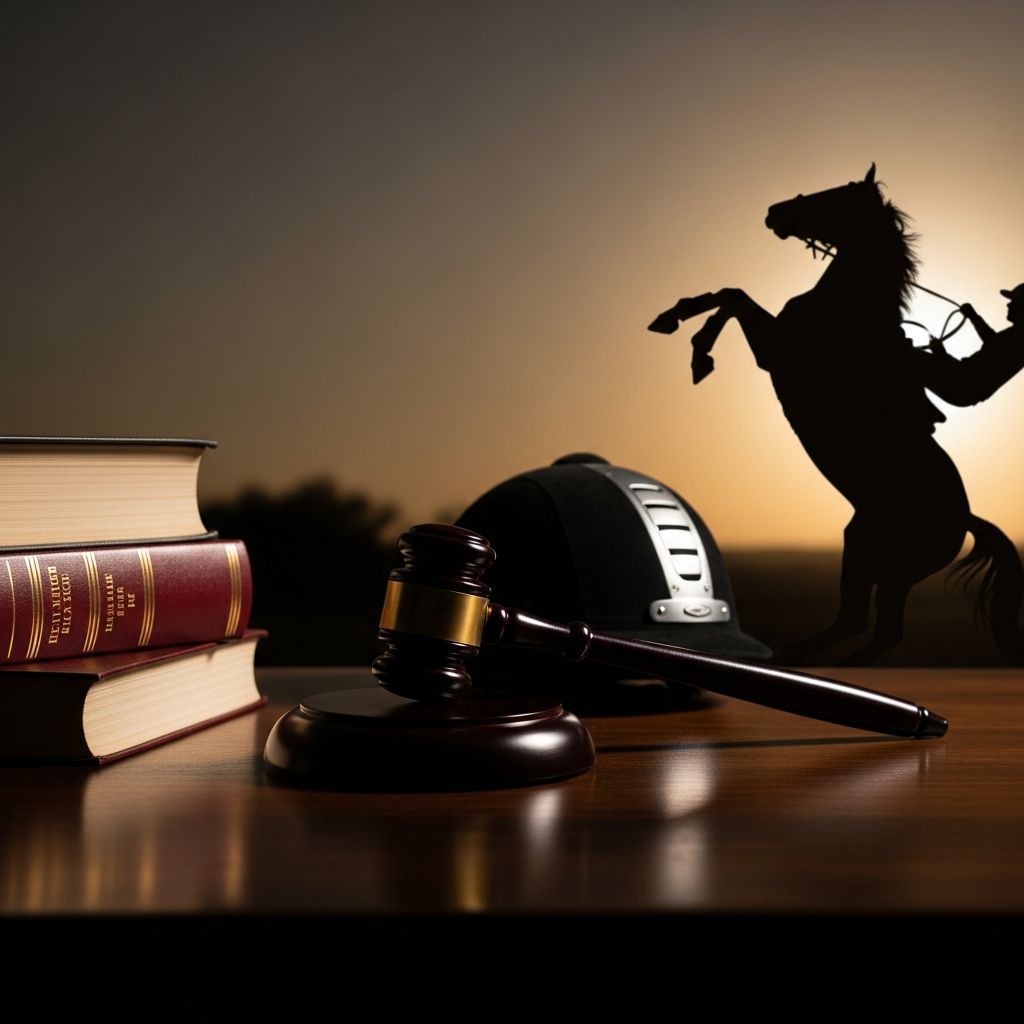
Determining When Legal Action is Appropriate After Equestrian Injuries
Horseback riding involves inherent risks that participants accept when they engage in the activity. However, not every accident that occurs during or around equestrian activities results in a viable legal claim. Understanding the distinction between accidents caused by the natural risks of riding and those stemming from negligence or misconduct is essential for determining whether you have grounds for a lawsuit. When injuries occur due to someone else’s breach of duty or failure to maintain proper safety standards, you may have the right to pursue compensation through legal action.
Understanding Negligence in Equestrian Settings
To successfully establish a claim for horseback riding injuries, you must demonstrate that the defendant’s negligence directly caused your harm. The elements required to prove negligence in equestrian cases are well-established in law. Courts have consistently held that plaintiffs must establish several critical components:
- That the defendant was responsible for maintaining the property or providing the equestrian service where the incident occurred
- That the defendant owed you a duty of care, which is a legal obligation to keep you safe from foreseeable harm
- That the defendant breached this duty through improper conduct, inadequate supervision, or failure to maintain safe conditions
- That this breach directly caused your injuries and resulting damages
Evidence is paramount in establishing negligence. You cannot simply allege that someone was careless; you must provide concrete documentation proving each element of your claim. This includes medical records demonstrating the extent of your injuries, photographs or inspection reports showing unsafe conditions, and any expert testimony regarding industry standards and proper safety protocols.
Common Sources of Liability in Riding Facilities and Services
Several specific circumstances commonly give rise to legitimate negligence claims in equestrian contexts. Understanding these situations can help you evaluate whether your accident might have resulted from someone else’s failure to maintain adequate safety standards.
Equipment Maintenance and Safety Standards
One significant area of liability involves defective or improperly maintained equipment. When saddles are not securely fastened, bridles are broken or worn, stirrups are damaged, or other gear fails during use, the facility or instructor providing that equipment can be held responsible. Equestrian facilities have a legal obligation to conduct regular inspections and maintain their equipment in proper working condition. If an accident occurs because equipment malfunctioned due to negligent maintenance, the facility may be liable for all resulting damages.
Regulatory Compliance Violations
Every state maintains specific regulations governing equestrian facilities and the conduct of riding instructors and trainers. These regulations exist to protect both riders and horses. When a facility violates these statutory requirements—such as failing to provide proper safety equipment, neglecting veterinary care for horses, or operating with insufficient staff supervision—such violations often create a legal presumption of negligence. This means that proof of the violation itself can substantially strengthen your legal claim.
Inadequate Instruction and Supervision
Riding instructors and facility operators have a responsibility to provide safe instruction appropriate to each rider’s skill level. If an instructor fails to properly assess a rider’s experience, provides inadequate guidance, or allows a rider to use a horse known to have dangerous behavioral issues, this constitutes negligence. Additionally, facilities must maintain adequate supervision to ensure that riders are not placed in situations beyond their capability or left unattended in potentially hazardous circumstances.
Unsafe Environmental Conditions
The condition of the riding arena, trails, and surrounding premises matters significantly. Poor footing, unrepaired fencing, debris in riding areas, inadequate lighting, or hazardous obstacles that are not properly marked or maintained can all constitute negligence if they contribute to injury.
The Role of Liability Waivers in Equestrian Cases
Many horseback riding facilities require participants to sign liability waivers before engaging in riding activities. These documents attempt to shield the facility from legal liability by having participants acknowledge and accept the risks inherent to riding. The enforceability of such waivers is a complex legal issue that varies significantly by jurisdiction.
Generally, courts will enforce properly drafted liability waivers that comply with state law and clearly communicate the risks being assumed. However, waivers are not absolute shields against all liability. They typically protect facilities only for injuries resulting from the inherent, unavoidable risks of riding itself—such as a horse spooking unexpectedly or a rider falling due to loss of balance.
Critically, waivers do not protect against gross negligence or intentional misconduct. If a facility or instructor acts recklessly, engages in egregiously unsafe practices, or intentionally places you in danger, a waiver will not prevent you from recovering damages. Courts have consistently ruled that waivers cannot shield businesses from liability for serious safety violations. Examples of conduct that may overcome waiver protections include deliberately using unsafe equipment, failing to disclose known dangerous horse behavior, or providing instruction in obviously hazardous conditions.
Before signing any waiver, carefully review its language. If you have questions about what you are agreeing to, consult with an attorney. After an injury, do not assume a signed waiver eliminates your legal options without seeking professional legal counsel.
Identifying All Potentially Liable Parties
Horseback riding injuries may involve multiple parties who could bear legal responsibility. Identifying all potentially liable defendants is crucial because each may have different insurance coverage or assets available to satisfy a judgment. Potentially liable parties include:
- The property owner where the incident occurred
- The riding facility operator or stable owner
- The riding instructor or trainer who supervised or taught you
- The horse owner, if different from the facility operator
- Event sponsors if the injury occurred during an organized equestrian event
- Insurance companies covering the liable parties
An experienced attorney will thoroughly investigate the circumstances of your accident to determine which parties owe you a duty of care and which may have breached that duty.
Comparative Negligence and Your Right to Recover
In some jurisdictions, you may bear partial responsibility for your injury while another party also bears some fault. Modern comparative negligence laws recognize that accidents often result from the combined actions or inactions of multiple people. Rather than barring recovery entirely, these laws allow you to recover damages reduced by your percentage of fault. For example, if you are found 20% at fault and the defendant is 80% at fault, you can typically recover 80% of your total damages. This principle ensures that injured parties are not completely denied compensation simply because they contributed partially to their injury.
Damages Available in Equestrian Injury Cases
When a successful negligence claim is established, injured riders may recover various forms of compensation. These damages fall into several categories:
Economic Damages
Economic damages represent quantifiable financial losses. These include all past and future medical expenses related to treating your injuries, lost wages during recovery and rehabilitation, costs of ongoing therapy or medical care, and any property damage that occurred. These damages are generally easier to calculate because they can be supported by bills, medical records, and employment documentation.
Non-Economic Damages
Non-economic damages compensate for subjective harms that lack a precise dollar value. Pain and suffering, emotional distress, loss of enjoyment of activities you previously enjoyed, and diminished quality of life all fall into this category. Calculating these damages requires more subjective judgment, but they are no less real or important than economic losses.
Punitive Damages
In cases where negligence was particularly egregious or reckless, courts may award punitive damages intended to punish the wrongdoer and deter similar conduct in the future. Punitive damages are not available in every case—they require a showing of especially culpable conduct—but they can substantially increase the total compensation awarded.
The Statute of Limitations: Critical Timing Considerations
One of the most important legal concepts in injury cases is the statute of limitations, which is the deadline for filing a lawsuit. The statute of limitations for horseback riding injury cases varies by state but generally ranges from one to three years from the date of the accident. In most jurisdictions, the standard timeframe is three years.
Missing this deadline is catastrophic—you will lose your right to pursue compensation regardless of the strength of your claim. This is why consulting with an attorney promptly after your injury is essential. An attorney can file the necessary legal documents to preserve your claim and protect your rights. Additionally, some circumstances may pause or extend the statute of limitations, such as if the injured person was mentally incapacitated at the time of injury.
The Importance of Preserving Evidence
Immediately following an equestrian accident, begin gathering and preserving all evidence related to your injury. Crucial documentation includes:
- Medical records and bills related to treatment of your injuries
- Photographs of the accident scene, any equipment involved, and your injuries
- Accident reports filed with the facility or authorities
- Witness statements from others who observed the accident
- Communications with the facility, instructors, or property owners
- Maintenance records for the facility or equipment, if accessible
- Your own detailed written account of the accident while details are fresh
Expert testimony may be necessary to prove certain damages and establish that defendant conduct fell below industry standards. Experts in equestrian training, horse behavior, facility maintenance, and medical treatment can provide authoritative analysis supporting your claim.
Obtaining Professional Legal Representation
The complexity of equestrian injury law makes professional legal representation invaluable. An attorney experienced in equestrian accidents can evaluate whether you have a viable claim, identify all responsible parties, navigate state-specific regulations and statutes, negotiate with insurance companies, and represent your interests in court if necessary. Attorneys understand industry standards and can work with experts to strengthen your case. They also handle the procedural requirements and deadlines that could otherwise result in loss of your claim.
Frequently Asked Questions
Q: Can I sue for a horseback riding injury even if I signed a liability waiver?
A: Yes, you may be able to sue even if you signed a waiver. Waivers do not protect facilities against gross negligence, reckless conduct, or intentional harm. If the facility’s actions were particularly egregious or violated safety regulations, courts may allow you to recover despite the waiver.
Q: What is the typical statute of limitations for filing a horseback riding injury lawsuit?
A: The statute of limitations typically ranges from one to three years from the date of the accident, with most jurisdictions allowing three years. However, this varies by state, so you should consult with an attorney in your jurisdiction immediately after your injury.
Q: What types of compensation can I receive for an equestrian injury?
A: You may recover medical expenses (past and future), lost income, pain and suffering, emotional distress, and in cases of egregious negligence, punitive damages.
Q: Who can be held liable for my riding injury?
A: Multiple parties may be liable, including the property owner, facility operator, riding instructor or trainer, horse owner, and event sponsors, depending on the circumstances of your accident.
Q: How long do I have to respond if I’m served with an equestrian lawsuit?
A: Response times vary by jurisdiction. In California, for example, defendants have 30 days to respond after being served. Missing this deadline can result in a default judgment against you.
Q: What evidence do I need to prove negligence in a riding accident case?
A: You must establish that the defendant owed you a duty of care, breached that duty, and that the breach caused your injuries. Supporting documentation includes medical records, photographs, witness statements, accident reports, and expert testimony regarding industry standards.
References
- Can I File a Lawsuit for Horseback Riding Injuries? — GGL Law Firm. Retrieved April 3, 2026. https://ggllawyers.com/blog/can-i-file-a-lawsuit-for-horseback-riding-injuries/
- Injured While Horseback Riding? Know Your Legal Rights and Next Steps — Ramos Law. Retrieved April 3, 2026. https://www.ramoslaw.com/understanding-your-rights-after-a-horseback-riding-accident-with-marianne-garrison-of-ramos-law/
- Guide to Equine Liability Releases and Waivers — Allen Financial. Retrieved April 3, 2026. https://www.eqgroup.com/library/equine-liability-release-guidelines/
- Horseback Riding Injury Lawsuit 2025 — Ethen Ostroff Law. Retrieved April 3, 2026. https://ethenostrofflaw.com/horseback-riding-injury-lawsuit/
- Injured on Horseback? How to File a Lawsuit — Shouse Law Group. Retrieved April 3, 2026. https://www.shouselaw.com/ca/personal-injury/horseback-riding-accident-lawsuit/
- Understanding Legal Liability for Accidents Involving Horses — Horse Journals. Retrieved April 3, 2026. https://www.horsejournals.com/acreages-stables/management-maintenance/understanding-legal-liability-accidents-involving-horses
- Served in an Equine Lawsuit? Here’s How to Prepare the Right Way — Blue Ribbon Law. Retrieved April 3, 2026. https://www.blueribbonlaw.com/blog/served-in-an-equine-lawsuit-heres-how-to-prepare-the-right-way
Similar Articles








Read full bio of Sneha Tete




